
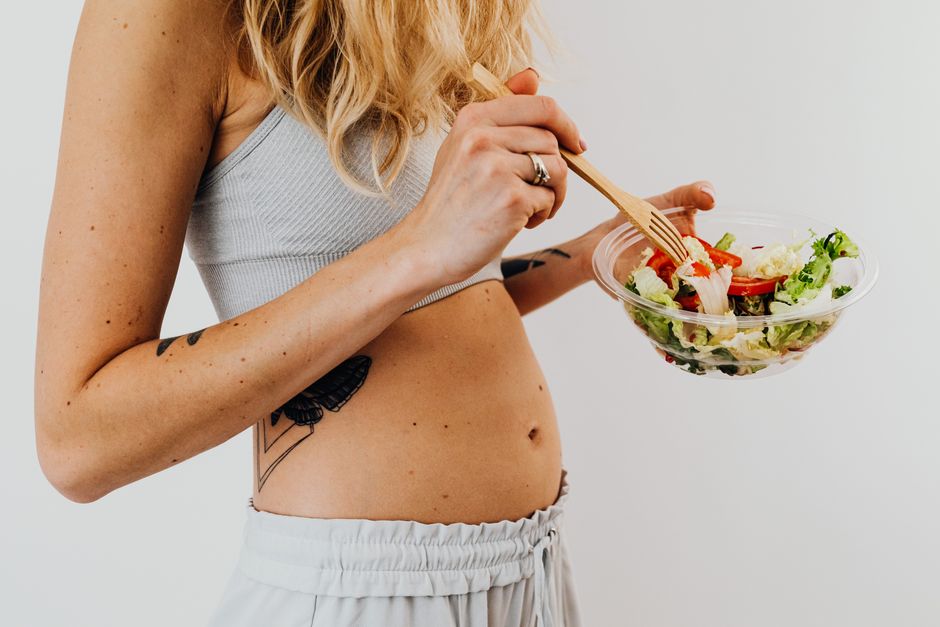
Hormonal acne is not caused by chocolate or greasy pizza. It is driven by hormone fluctuations that increase oil production and inflammation in your skin. While no single food can cure it, research shows that certain foods can help lower inflammation and stabilize blood sugar, which directly reduces acne breakouts. The most effective foods are those with a low glycemic load, plenty of zinc, and healthy omega-3 fats.
What Causes Hormonal Acne in Adults?
Hormonal acne happens when your body produces more androgens like testosterone. These hormones tell your sebaceous glands to make more oil. Extra oil mixes with dead skin cells and clogs pores. Bacteria then grow, causing red, painful bumps.
For women, this often happens around the jawline and chin during the week before their period. Stress also raises cortisol levels, which can trigger more androgen production. The American Academy of Dermatology confirms that adult acne is common and often linked to these internal shifts.
Diet does not cause hormonal acne on its own. But what you eat can make it worse or better. Foods that spike your blood sugar quickly increase insulin. Higher insulin tells your body to make more androgens. This is the chain reaction diet can influence.
How Do Low-Glycemic Foods Help Acne?
Low-glycemic foods are foods that do not spike your blood sugar. Think leafy greens, beans, whole oats, and most vegetables. When blood sugar stays steady, insulin stays low. Less insulin means fewer androgens and less oil production.
A study published in the Journal of the American Academy of Dermatology found that people who ate a low-glycemic diet had fewer acne lesions after 12 weeks. The improvement was significant enough that researchers called diet a useful tool alongside standard treatments.
This does not mean you need to cut all carbohydrates. It means swapping refined carbs for whole ones. Replace white bread with whole grain. Choose berries over a sugary snack. Small changes in the glycemic load of your meals can reduce breakouts over time.
What Foods Contain Zinc and Why Does It Matter?
Zinc is a mineral that fights inflammation and kills acne-causing bacteria. It also helps regulate oil production. Research from Dermatology and Therapy found that people with acne often have lower zinc levels in their blood than people with clear skin.
Foods rich in zinc include:
- Pumpkin seeds
- Chickpeas
- Beef and lamb
- Oysters and shellfish
- Cashews
- Eggs
Getting zinc from food is safer than taking high-dose supplements. Too much zinc from pills can cause nausea and interfere with copper absorption. One serving of pumpkin seeds or a handful of cashews daily gives you a meaningful amount without risk.


Can Omega-3 Fatty Acids Reduce Acne Inflammation?
Omega-3s are anti-inflammatory fats. They lower the body’s overall inflammatory response, which reduces the redness and swelling of acne lesions. A study in Lipids in Health and Disease showed that people who took omega-3 supplements had fewer inflammatory acne bumps after 10 weeks.
Good food sources include salmon, sardines, mackerel, flaxseeds, chia seeds, and walnuts. Eating two servings of fatty fish per week is a reasonable goal. If you do not eat fish, ground flaxseed in your oatmeal or a tablespoon of chia seeds in a smoothie provides ALA, a plant-based omega-3.
Omega-3s work slowly. You will not see a difference in a few days. Consistent intake over several weeks is what matters. Combine omega-3 foods with low-glycemic choices for the best effect on hormonal acne.
What Does Research on What Foods Actually Help With Hormonal Acne Show?
The strongest evidence supports a low-glycemic diet and foods high in zinc and omega-3s. A 2020 review in the Journal of the European Academy of Dermatology and Venereology analyzed multiple studies and concluded that dietary changes can improve acne in many adults.
The same review found limited evidence for avoiding dairy. Some studies show a link between milk and acne, especially skim milk. But the connection is not as strong as the link with high-glycemic foods. If cutting dairy seems to help your skin, it is worth trying. But the research is not conclusive enough to tell everyone to stop drinking milk.
Here is a comparison of foods with strong evidence versus weak evidence:
| Food Type | Strength of Evidence | What It Does |
|---|---|---|
| Low-glycemic vegetables and whole grains | Strong | Lowers insulin and androgen levels |
| Zinc-rich foods (pumpkin seeds, chickpeas, beef) | Strong | Reduces inflammation and kills bacteria |
| Omega-3 fatty fish and seeds | Moderate to strong | Lowers inflammatory response |
| Dairy products | Weak to moderate | May worsen acne in some people, not all |
| Chocolate | Weak | No clear evidence it causes acne |
What Foods Should You Avoid for Hormonal Acne?
High-glycemic foods are the clearest culprits. White bread, sugary cereals, soda, pastries, and white rice cause blood sugar spikes. These spikes raise insulin, which increases oil production. The connection is well-supported by research.
Some people report that dairy makes their acne worse. The theory is that hormones in milk can affect your own hormone levels. But the research is mixed. A large study in the Journal of the American Academy of Dermatology found an association with skim milk but not with whole milk. This is not a clear reason to avoid all dairy.
Whey protein supplements may be a different story. Whey is a dairy protein that can raise insulin-like growth factor (IGF-1). Higher IGF-1 is linked to more acne. If you use whey protein and have breakouts, try switching to a plant-based protein powder for a few weeks and see if your skin improves.
Chocolate gets blamed often, but the evidence is weak. A small study found that eating chocolate increased acne in some men, but the effect was small and inconsistent. Dark chocolate with lower sugar content is unlikely to cause problems for most people.
Common Misconceptions About Diet and Hormonal Acne
The biggest myth is that greasy food causes oily skin. Eating fried foods does not directly cause acne. The oil on your skin comes from your glands, not from the food you eat. Greasy food may cause inflammation in other ways, but it does not clog your pores.
Another myth is that detox diets or juice cleanses can clear acne. There is no clinical evidence that fasting or drinking only juice for days helps acne. These diets can actually stress your body and raise cortisol, which may worsen breakouts.
You also do not need to cut out all sugar. The problem is not a single cookie. It is the overall pattern of eating high-glycemic foods throughout the day. A balanced diet with occasional treats does not cause acne in most people.
Practical Steps to Start Today
You do not need a complicated plan. Start with one change. Swap your breakfast cereal for oatmeal with berries and flaxseed. That single switch lowers your glycemic load and adds zinc and omega-3s.
If you eat sandwiches, use whole-grain bread instead of white. Add a handful of spinach and some chickpeas. For snacks, choose nuts or seeds instead of chips. These small swaps add up over weeks.
Track your skin for at least one month. Acne responds slowly to diet changes. If you see fewer breakouts after four weeks, you are on the right track. If not, look at other factors like stress, sleep, and your skincare routine.
Remember that diet is one tool. It works best alongside a consistent skincare routine and, if needed, medical treatments. The foods listed here are not a cure. They are a way to reduce the frequency and severity of breakouts by supporting your body’s natural balance.
Frequently Asked Questions
How long does it take for diet changes to improve hormonal acne?
Most people need at least four weeks of consistent changes before seeing a difference in their skin.
Can drinking more water help hormonal acne?
Staying hydrated supports overall skin health but drinking extra water alone will not clear hormonal acne.
Is it better to avoid all sugar for acne?
No, the research focuses on high-glycemic foods that spike blood sugar, not on small amounts of sugar in an otherwise balanced diet.
Should I take zinc supplements for acne?
Food sources of zinc are safer and effective; high-dose zinc supplements can cause side effects and should only be used under medical guidance.
