
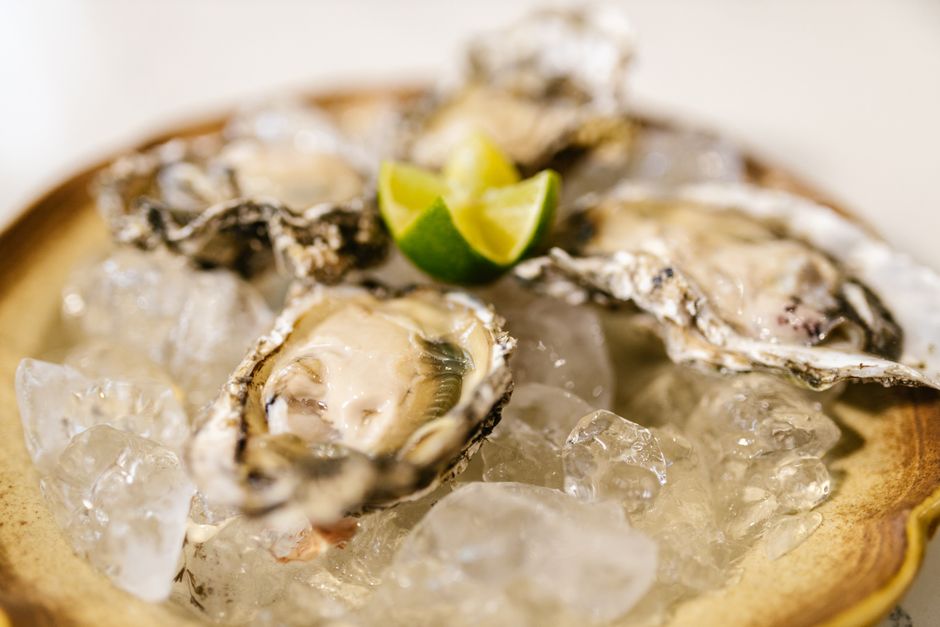
Zinc is a mineral your body cannot store, so you need some from food every day. The richest food sources of zinc are oysters and other shellfish, red meat, poultry, beans, nuts, seeds, and whole grains. Oysters contain more zinc per serving than any other food. For people who eat meat, red meat and poultry are the most common everyday sources. For vegetarians and vegans, beans, lentils, chickpeas, pumpkin seeds, cashews, and fortified cereals are the main options.
Zinc matters for immune function, wound healing, taste, and growth. Most adults in the United States get enough zinc from food. But certain groups — vegetarians, older adults, people with digestive conditions, and pregnant or breastfeeding women — may need to pay closer attention to how much they get.
What Food With Zinc Should You Eat Most Often?
Oysters are the single best dietary source of zinc. A standard 3-ounce serving of cooked oysters provides far more zinc than most other foods, often several times the daily requirement for an adult. Other shellfish, including crab and lobster, are also strong sources.
Red meat is the next most concentrated common source. Beef, lamb, and pork all contain meaningful amounts of zinc, and the zinc in meat is absorbed more efficiently than zinc from plant foods. Poultry, especially dark meat, is a good but lesser source.
Here is a practical comparison of zinc content in common foods. Values are approximate and based on USDA nutritional data for standard serving sizes.
| Food | Serving | Approximate Zinc |
|---|---|---|
| Oysters, cooked | 3 oz | Very high (often 30–70+ mg) |
| Beef, cooked | 3 oz | About 5–7 mg |
| Pork, cooked | 3 oz | About 2–3 mg |
| Chicken, dark meat | 3 oz | About 2–3 mg |
| Baked beans, canned | ½ cup | About 3 mg |
| Pumpkin seeds, roasted | 1 oz | About 2 mg |
| Cashews | 1 oz | About 1.5 mg |
| Chickpeas, cooked | ½ cup | About 1–1.5 mg |
| Fortified breakfast cereal | 1 serving | Varies widely by brand |
The exact numbers vary by cut, cooking method, and brand. The pattern is what matters: animal foods and shellfish lead, with legumes, nuts, and seeds following.
Why Is Zinc Important for Your Body?
Zinc is involved in hundreds of enzyme reactions in the body. It supports immune cell function, helps wounds heal, and plays a role in how you taste and smell. It also supports normal growth and development, which is why zinc needs are higher during childhood and pregnancy.
Because the body has no dedicated zinc storage system, you rely on a steady dietary supply. When intake drops, the body draws on small pools in muscle and bone, but these are limited. A shortfall over time can affect immune response, skin, and healing.
Zinc also interacts with other minerals. High doses of zinc supplements can interfere with copper absorption and, over time, lead to copper deficiency. This is one reason food sources are generally preferred over high-dose supplements unless a clinician recommends otherwise.
How Does Zinc From Plant Foods Differ From Animal Sources?
Zinc from plant foods is absorbed less efficiently than zinc from animal foods. Plants contain compounds called phytates, found in whole grains, legumes, and seeds, that bind zinc and reduce how much your body takes in. This does not mean plant foods are poor sources — it means you may need more of them to absorb the same amount.
People who follow vegetarian or vegan diets can still meet zinc needs, but it takes planning. Soaking beans and grains, fermenting foods like sourdough bread, and combining zinc-rich plant foods with sources of vitamin C can help improve absorption. Some research suggests these traditional food preparation methods reduce phytate content and may improve mineral absorption, though the effect on overall zinc status is not fully established.
Fortified cereals and fortified plant milks are another route. The amount of added zinc varies by product, so checking the label is the reliable way to know what you are getting.




Who Is Most at Risk of Low Zinc?
Several groups are more likely to fall short on zinc. The evidence for these risk groups is well established in nutrition research.
- Vegetarians and vegans, because plant zinc is absorbed less efficiently.
- Older adults, who often eat less and may absorb zinc less well.
- People with digestive conditions such as Crohn’s disease, ulcerative colitis, or celiac disease, which can impair absorption.
- Pregnant and breastfeeding women, whose needs are higher.
- People who drink heavily, since alcohol reduces zinc absorption and increases urinary loss.
- People with sickle cell disease, who often have lower zinc levels.
Symptoms of low zinc can include slow wound healing, frequent infections, loss of taste or smell, and hair loss. These symptoms overlap with many other conditions, so they are not a reliable way to diagnose low zinc on their own. A clinician can assess zinc status through diet history and, in some cases, blood testing.
Do You Need a Zinc Supplement?
Most people who eat a varied diet do not need a zinc supplement. Food sources provide zinc along with other nutrients, and the body regulates absorption from food more carefully than from supplements.
Supplements may be appropriate in specific situations, such as documented deficiency, certain digestive conditions, or when a clinician recommends them. The evidence for routine zinc supplementation in healthy adults without deficiency is limited, and no clear benefit has been established for most people.
Zinc supplements can cause side effects, especially at high doses. These include nausea, stomach upset, and, with long-term high intake, copper deficiency. Zinc can also interact with certain antibiotics and other medications, reducing their effectiveness. Anyone considering a supplement should talk with a healthcare provider first, particularly if they take prescription medications.
The recommended dietary allowance for zinc is 8 mg per day for adult women and 11 mg per day for adult men, according to the National Institutes of Health. The tolerable upper intake level for adults is 40 mg per day from all sources combined, not counting food. These are established reference values, not estimates.
How Can You Add More Zinc to Everyday Meals?
Adding zinc to your diet does not require major changes. Small adjustments across the day add up.
- Add a handful of pumpkin seeds or cashews to salads, yogurt, or oatmeal.
- Choose beef, dark-meat chicken, or pork a few times a week if you eat meat.
- Include beans, lentils, or chickpeas in soups, stews, and grain bowls.
- Try oysters or crab as an occasional protein option if you enjoy shellfish.
- Check labels on fortified cereals to see how much zinc they provide.
- Soak or ferment beans and whole grains before cooking to reduce phytates.
For people who eat meat, hitting the daily zinc target is usually straightforward. For those who do not, a little more attention to portion sizes and food combinations goes a long way. A registered dietitian can help build a plan that fits your diet and any health conditions.
Frequently Asked Questions
What food has the most zinc?
Oysters contain more zinc per serving than any other food, often several times the daily requirement in a single 3-ounce serving. Red meat is the next most concentrated common source.
What are good zinc foods for vegetarians?
Beans, lentils, chickpeas, pumpkin seeds, cashews, and fortified cereals are the main plant sources of zinc. Because plant zinc is absorbed less efficiently, vegetarians may need to eat more of these foods than meat-eaters.
How much zinc do you need per day?
The recommended dietary allowance is 8 mg per day for adult women and 11 mg per day for adult men, according to the National Institutes of Health. Pregnant and breastfeeding women have higher needs.
Can you get too much zinc from food?
It is very unlikely to get too much zinc from food alone. The tolerable upper intake level of 40 mg per day applies mainly to supplements, which can cause side effects and interfere with copper absorption at high doses.
