
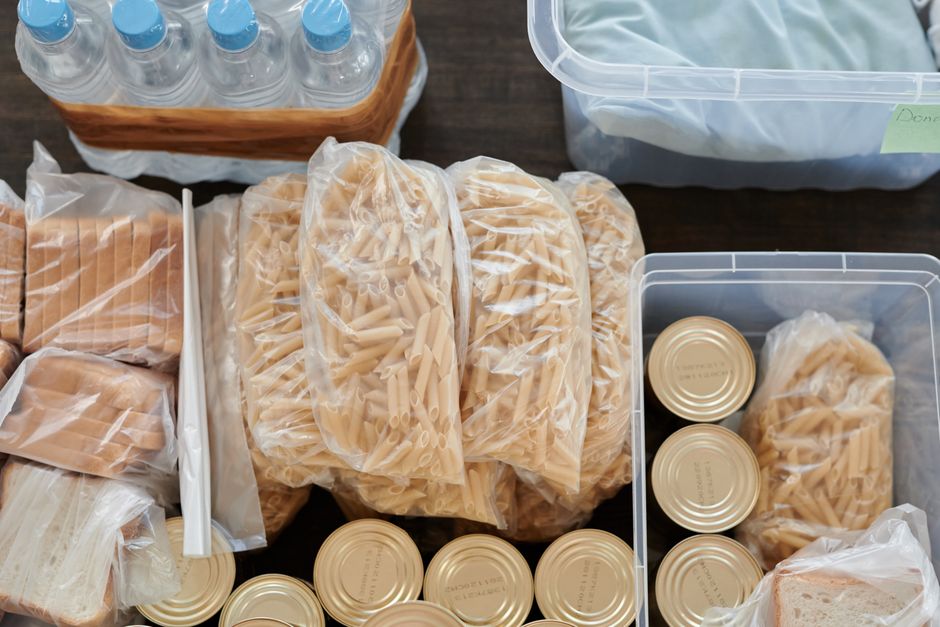
Any food can trigger an allergic reaction, but a small group causes most of the serious ones. In the United States, nine foods account for the large majority of food allergy cases: milk, eggs, peanuts, tree nuts, soy, wheat, fish, shellfish, and sesame. If you or someone you cook for has a food allergy, these are the items that deserve the most attention.
What makes these foods worth extra caution isn’t just how often they cause reactions. It’s how unpredictable those reactions can be, how easily they hide in processed foods, and how severe the consequences can get. The sections below explain why each one matters and where the real risks tend to show up.
Why Do These Nine Foods Cause Most Allergies?
The nine major allergens share a few traits that make them more likely to provoke an immune response than other foods. They contain proteins that the immune system can mistakenly flag as dangerous, and those proteins tend to be stable — they survive cooking, digestion, and food processing.
Stability matters. A protein that breaks down easily in the stomach is less likely to reach the immune system intact. Proteins in peanuts, tree nuts, and shellfish are unusually resistant to heat and digestion, which is part of why reactions to them can be severe and why trace amounts can sometimes trigger symptoms.
Genetics and early exposure also play a role, though researchers are still working out the details. What’s clear is that these nine foods are responsible for the overwhelming majority of emergency room visits and hospitalizations related to food allergies in the US. Sesame was added to the major allergen list relatively recently under the Food Allergy Safety, Treatment, Education, and Research Act, which took effect in 2023.
What Food Items Need Extra Caution Around Allergies?
The keyphrase question has a practical answer: the foods that need the most caution are the ones most likely to appear unexpectedly in packaged and restaurant food, and the ones most associated with severe reactions. Peanuts, tree nuts, shellfish, and sesame top that list.
Peanuts and tree nuts are linked to the most severe reactions and are the leading cause of fatal food-induced anaphylaxis in the US. Shellfish — especially crustaceans like shrimp, crab, and lobster — can trigger reactions that escalate quickly. Sesame is now required to be labeled, but it hides in everything from hummus to hamburger buns to spice blends.
Milk, eggs, wheat, and soy are also common allergens, but they tend to cause more mild-to-moderate reactions in most people, though severe reactions are still possible. Fish allergies can be severe and are often lifelong. The distinction matters because it shapes how much vigilance each food requires.
| Allergen | Common Hidden Sources | Typical Reaction Pattern |
|---|---|---|
| Peanut | Sauces, baked goods, chili, Asian dishes | Often severe; leading cause of fatal reactions |
| Tree nuts | Pesto, granola, ice cream, salad dressings | Often severe; can be lifelong |
| Shellfish | Stock, sauces, fried rice, imitation crab | Can escalate quickly; often lifelong |
| Sesame | Hummus, tahini, buns, spice blends | Variable; increasingly recognized |
| Milk | Baked goods, processed meats, chocolate | Often outgrown; can be severe |
| Egg | Baked goods, pasta, some vaccines | Often outgrown; can be severe |
| Wheat | Sauces, processed foods, cosmetics | Variable; distinct from celiac disease |
| Soy | Processed foods, sauces, meat substitutes | Variable; often less severe |
| Fish | Worcestershire sauce, Caesar dressing, gelatin | Often severe; can be lifelong |
Which Foods Are Most Likely to Cause Severe Reactions?
Peanut, tree nut, shellfish, and fish allergies carry the highest risk of anaphylaxis — a reaction that can involve multiple body systems and become life-threatening. That doesn’t mean other allergens can’t cause severe reactions. It means these four do so most often.
Anaphylaxis can progress within minutes. Symptoms may include hives, swelling of the throat or tongue, difficulty breathing, a drop in blood pressure, vomiting, and a feeling of impending doom. Not every severe reaction includes every symptom, and a reaction can look mild at first and worsen quickly.
Epinephrine is the first-line treatment for anaphylaxis, and it works best when given early. Antihistamines alone do not treat anaphylaxis and should never be used as a substitute. Anyone with a known food allergy should carry epinephrine auto-injectors if their doctor has prescribed them, and should know how to use them.
One detail worth knowing: asthma and food allergy together raise the risk of a severe outcome. People with both conditions need to be especially careful about allergen avoidance and about keeping rescue medications accessible.





How Do Allergens Hide in Everyday Foods?
Allergens turn up in places most people don’t expect. That’s the core reason these foods need extra caution — not because the food itself is dangerous, but because it’s often invisible.
- Peanut can appear in chili, egg rolls, baked goods, energy bars, and sauces like satay or mole.
- Tree nuts show up in pesto, salad dressings, ice cream, and some vegetarian dishes.
- Shellfish hides in seafood stock, fried rice, and imitation crab, which is usually made from fish but processed on shared equipment.
- Sesame is in tahini, hummus, hamburger buns, bagels, and spice blends like za’atar.
- Milk and egg appear in baked goods, processed meats, and some glazes or coatings.
- Wheat and soy are in countless packaged foods, sauces, and meat substitutes.
Cross-contact is a separate issue. A food that doesn’t contain an allergen as an ingredient can still pick it up during manufacturing, preparation, or serving. Shared fryers, shared cutting boards, and shared utensils are common sources. In restaurants, this is one of the biggest risks, because kitchen staff may not fully control or communicate it.
What Should You Know About Labeling and Cross-Contact?
US law requires that the nine major allergens be listed on packaged food labels in plain language. That’s a real improvement over the past, when terms like “natural flavoring” could mask an allergen. But labeling has limits.
Precautionary statements like “may contain” or “made on shared equipment” are voluntary. They are not standardized, and they don’t tell you the actual level of risk. Some products with these warnings contain no detectable allergen; some without them still pose a risk. This is a known gap, and researchers and regulators continue to study how to make these warnings more reliable.
For someone with a serious allergy, the practical approach is to read every label every time, because formulations change without notice. When a product’s labeling is unclear, the safest choice is to avoid it. When eating out, asking directly about ingredients and preparation is reasonable — but it’s not a guarantee, because cross-contact can happen even with careful staff.
Does Cooking or Processing Remove Allergens?
Cooking does not reliably remove allergens. The proteins that trigger reactions are often heat-stable, which means boiling, frying, or baking may not make a food safe for someone allergic to it.
There are nuances. Some people with milk or egg allergies can tolerate baked forms — milk or egg that has been extensively heated in a wheat matrix. This is a clinical distinction, and it should only be explored under the guidance of an allergist. It is not something to test at home.
Peanut roasting may actually increase allergenicity, which is one reason roasted peanuts are more commonly associated with reactions than boiled ones. Shellfish allergens are largely heat-stable. In short, there is no home cooking method that makes a major allergen safe for someone who is allergic to it.
How Are Food Allergies Diagnosed and Managed?
Diagnosis starts with a detailed history and is confirmed with testing — typically skin prick tests or specific IgE blood tests, sometimes followed by an oral food challenge. An oral food challenge, done under medical supervision, is the most reliable way to confirm or rule out an allergy.
Management currently centers on avoidance and emergency preparedness. There is no cure for food allergy. Some treatments have emerged in recent years, including oral immunotherapy for peanut allergy, which can reduce sensitivity in some patients. These treatments carry risks, including allergic reactions during treatment, and they are not appropriate for everyone. They should only be considered with a specialist.
For most people, the day-to-day plan is straightforward: avoid the allergen, read labels carefully, communicate clearly when eating away from home, and carry prescribed epinephrine. A written emergency plan, shared with family, caregivers, and schools, helps make sure everyone knows what to do.
Frequently Asked Questions
What are the most common food allergens?
The nine major US allergens are milk, eggs, peanuts, tree nuts, soy, wheat, fish, shellfish, and sesame. These account for the large majority of food allergy cases and serious reactions.
Which food allergies are most dangerous?
Peanut, tree nut, shellfish, and fish allergies are most often linked to severe reactions and anaphylaxis. Any food allergy, however, can potentially cause a severe reaction.
Can cooking make an allergenic food safe?
No. Most major allergens are heat-stable, so cooking does not reliably remove them. Some people with milk or egg allergy tolerate baked forms, but this must be confirmed by an allergist.
What does “may contain” mean on a food label?
It’s a voluntary warning that a product may have been exposed to an allergen during manufacturing. These labels are not standardized, so the actual risk can vary and is often unclear.
