
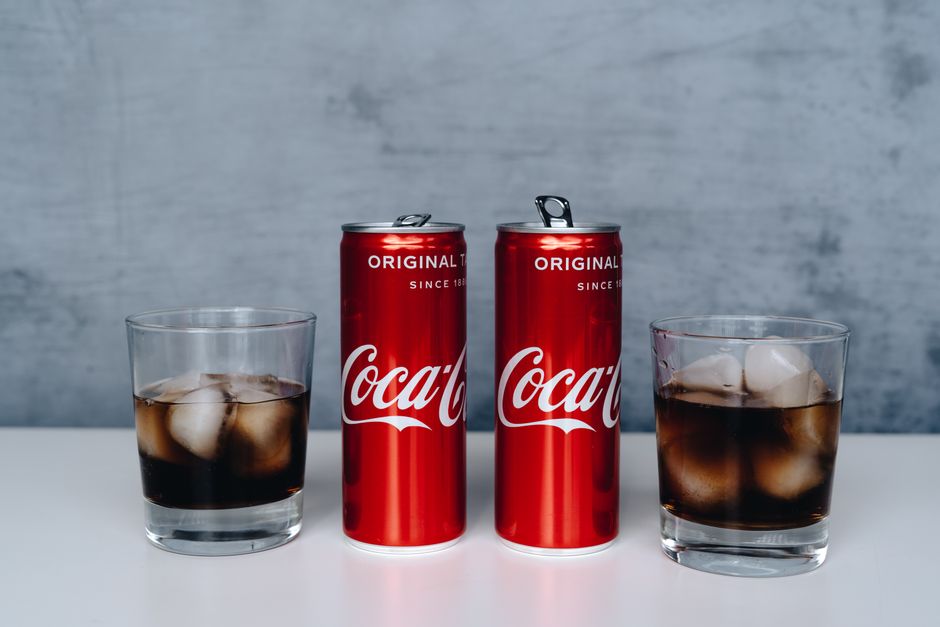
If you are looking for the fizzy drink with the most sugar, the answer is not a single brand—it is a category. Mountain Dew, certain energy drinks, and many fruit-flavored sodas routinely pack 70 to 80 grams of sugar per 20-ounce bottle. That is roughly 17 to 20 teaspoons of sugar in one serving. To put that in perspective, the American Heart Association recommends men cap added sugar at 36 grams per day and women at 25 grams. A single bottle of these drinks blows past that entire daily limit before you finish the first cup.
Which Specific Fizzy Drinks Have the Most Sugar?
When people ask this question, they usually want names. The honest answer is that the highest-sugar fizzy drinks change as companies reformulate products. But the consistent leaders are clear.
Mountain Dew has long been near the top. A standard 20-ounce bottle contains about 77 grams of sugar. That is more than 19 teaspoons. The original flavor is the benchmark, but many of its variations are similar.
Energy drinks deserve special attention because they often look like a healthier choice. A 16-ounce can of a popular energy drink can contain 50 to 60 grams of sugar. Some fruit-flavored versions exceed that. Rockstar and Monster original flavors are well-known examples in this range.
Fruit-flavored sodas also compete for the top spot. Sunkist Orange, Crush, and Fanta varieties frequently land in the 65 to 75 gram range per 20 ounces. The fruit flavoring masks the sweetness, which makes it easier to drink quickly.
Mexican Coca-Cola, which uses cane sugar instead of high-fructose corn syrup, contains roughly the same total sugar as the U.S. version. The type of sugar differs, but the amount does not meaningfully change.
How Much Sugar Is in a Standard Can of Soda?
A standard 12-ounce can of most regular sodas contains 39 to 41 grams of sugar. That is about 10 teaspoons. This is the serving size most people picture when they think of “a soda.”
Here is what that looks like across common drinks:
| Drink (12 oz can) | Approximate Sugar | Teaspoons |
|---|---|---|
| Regular Cola (Coca-Cola, Pepsi) | 39-41 g | ~10 tsp |
| Mountain Dew | 46 g | ~11.5 tsp |
| Orange Soda (Sunkist, Fanta) | 44-48 g | ~11-12 tsp |
| Root Beer | 39-44 g | ~10-11 tsp |
| Ginger Ale | 32-36 g | ~8-9 tsp |
The numbers shift slightly by brand and region. But the pattern holds. Mountain Dew and citrus-flavored sodas consistently sit at the top. Colas sit in the middle. Ginger ale and Sprite-style clear sodas tend to be lower, though still high.
Why Does the Sugar Content Matter So Much?
Liquid sugar is different from sugar in food. When you eat a cookie, the fiber and fat slow down absorption. When you drink soda, the sugar hits your bloodstream quickly. This causes a rapid spike in blood glucose followed by a sharp insulin response.
Over time, this pattern contributes to insulin resistance. Insulin resistance is a precursor to type 2 diabetes. The link between sugary drink consumption and type 2 diabetes is one of the most consistent findings in nutritional epidemiology. Studies have repeatedly associated regular consumption of sugar-sweetened beverages with higher diabetes risk, even after adjusting for body weight.
There is also the calorie issue. A 20-ounce bottle of Mountain Dew contains about 290 calories. A 12-ounce can of regular cola contains about 140 calories. These are empty calories—no protein, no fiber, no vitamins. Your body does not register liquid calories the same way it registers solid food, so you do not naturally eat less to compensate.
Dental health is another direct consequence. The sugar feeds oral bacteria that produce acid. That acid erodes tooth enamel. Frequent soda drinking, especially sipping over a long period, is strongly associated with cavities and enamel erosion.





Do Diet Sodas Solve the Sugar Problem?
Diet sodas contain zero sugar. They use artificial sweeteners like aspartame, sucralose, or stevia instead. If your only concern is sugar intake, diet soda eliminates that specific problem.
But the evidence on diet soda is more complicated than the marketing suggests. Some observational studies have linked diet soda consumption with weight gain and metabolic issues. The mechanism is debated. Some researchers believe artificial sweeteners alter the gut microbiome. Others think the association is reverse causation—people who drink diet soda may already be heavier or have other dietary patterns that drive the effect.
What the evidence does not show is a clear, causal pathway from diet soda to weight gain. The research is mixed. Some studies show no harm. Others show associations that warrant caution. The honest position is that diet soda is likely less harmful than regular soda, but it is not a health drink. Water, sparkling water, and unsweetened tea remain the better options.
What About “Natural” or “Healthy” Fizzy Drinks?
The beverage industry has responded to sugar concerns with a wave of products that look healthier. Kombucha, sparkling juices, and “clean” sodas fall into this category. The label often says “natural” or “less sugar.” Read the nutrition facts before trusting the front of the package.
Sparkling juices are a common trap. A bottle of sparkling fruit juice can contain 30 to 40 grams of sugar per serving, even when the label says “no added sugar.” The sugar is naturally present in the fruit juice. Your body processes it the same way as added sugar.
Kombucha typically contains 2 to 8 grams of sugar per serving. That is genuinely low compared to soda. But some commercial kombucha brands add fruit juice or flavoring that pushes the number higher. Check the label.
Some new “better-for-you” sodas use a mix of cane sugar and stevia or monk fruit. These often land at 5 to 15 grams of sugar per can. That is meaningfully better than regular soda. But the word “natural” on the label does not mean low sugar. The nutrition facts panel is the only reliable source.
How Can You Reduce Sugar From Fizzy Drinks?
You do not need to quit fizzy drinks entirely to make a meaningful difference. Small changes produce real results.
Switch from a 20-ounce bottle to a 12-ounce can. That single change cuts sugar from roughly 77 grams to 46 grams in Mountain Dew. You reduce your intake by about 40 percent without changing what you drink.
Dilute your soda with sparkling water. Half soda, half sparkling water cuts the sugar in half. Your palate adjusts within a few weeks, and the full-sugar version starts to taste overly sweet.
Limit soda to mealtimes rather than sipping throughout the day. This reduces both total intake and the constant acid exposure to your teeth.
If you are craving carbonation, plain sparkling water with a squeeze of lemon or lime contains zero sugar and zero calories. It satisfies the fizz without the metabolic load.
For people with diabetes or prediabetes, the advice is more direct. Regular soda is one of the fastest ways to spike blood glucose. Most clinicians recommend avoiding it entirely. Diet soda is a reasonable substitute for those who struggle to give up carbonation, though water remains the preferred choice.
Does the Type of Sugar Matter?
Soda in the United States is almost always sweetened with high-fructose corn syrup. Soda in Mexico and some other countries uses cane sugar. People often assume cane sugar is healthier. The evidence does not support that assumption.
High-fructose corn syrup is roughly 55 percent fructose and 45 percent glucose. Cane sugar is 50 percent fructose and 50 percent glucose. The difference is negligible. Both are metabolized through the same pathways. Both raise blood sugar. Both contribute to the same health risks when consumed in excess.
The only meaningful difference is taste. Some people report that cane sugar has a cleaner, less artificial sweetness. That is a preference, not a health advantage.
What Is the Realistic Daily Limit for Added Sugar?
The American Heart Association recommends no more than 36 grams of added sugar per day for men and 25 grams per day for women. The World Health Organization suggests keeping added sugar below 10 percent of daily calories, with a conditional recommendation of 5 percent for additional health benefits.
For a 2,000-calorie diet, 10 percent equals 50 grams. That is roughly one 12-ounce can of regular soda. If you drink one can of soda, you have already hit or exceeded the daily limit for most people.
This is why the question matters. A single fizzy drink is not a single serving in the way most people think. It is often the entire day’s sugar allowance in one glass.
Frequently Asked Questions
What fizzy drink has the most sugar per serving?
Mountain Dew and fruit-flavored sodas like Sunkist and Crush consistently rank highest, with 70 to 80 grams of sugar per 20-ounce bottle. Energy drinks like Monster and Rockstar are close behind.
Is Mountain Dew worse than regular cola?
Yes, in terms of sugar. Mountain Dew contains about 46 grams per 12-ounce can, while regular cola contains about 39 to 41 grams. The difference is roughly one teaspoon of sugar per can.
How many teaspoons of sugar are in one can of soda?
A standard 12-ounce can of regular soda contains about 10 teaspoons of sugar. Mountain Dew is closer to 11.5 teaspoons per can.
Is diet soda better than regular soda?
Diet soda eliminates sugar entirely, which is a clear benefit for blood sugar control. The evidence on long-term metabolic effects is mixed, so water remains the healthiest choice.
