
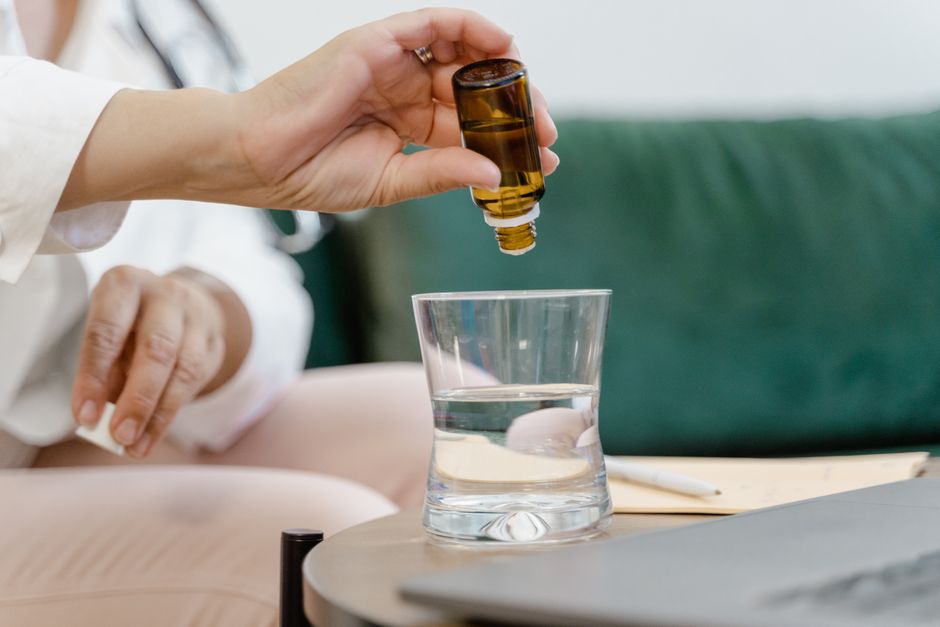
Essential oils are concentrated plant extracts that people inhale or apply to the skin. Some research suggests certain oils — particularly lavender, bergamot, and citrus oils — may help with mood and mild feelings of depression, but the evidence is limited and these oils are not a treatment for clinical depression. They are best understood as a comfort tool that may support relaxation, not as a replacement for professional care.
What Essential Oils Help With Depression And Mood?
No essential oil has been proven to treat clinical depression. That distinction matters. Depression is a medical condition, and the treatments with the strongest evidence are therapy, medication, and lifestyle changes guided by a clinician.
That said, some oils have been studied for their effect on mood and relaxation. The ones that come up most often in research include:
- Lavender — the most studied oil for calm and sleep
- Bergamot — a citrus oil often used for anxious, low mood
- Sweet orange and other citrus oils — linked to feelings of alertness and uplift
- Roman chamomile — used for relaxation and settling
- Frankincense — sometimes used in meditation and grounding practices
- Ylang-ylang — studied for its calming effect on mood and blood pressure
These are the oils you will see most often in aromatherapy for mood. The quality of the evidence varies widely between them, and we will get into that honestly below.
How Does Aromatherapy Actually Affect Mood?
The main pathway is smell. When you inhale an essential oil, scent molecules travel to the olfactory system, which sits close to the part of the brain involved in emotion and memory. This is a direct route — it does not pass through the same filtering that other sensory signals do.
That connection helps explain why a scent can shift how you feel within seconds. It also helps explain why the same oil can affect two people differently. Scent is tied to personal memory. If lavender reminds you of a calm place, it may relax you. If it reminds you of something unpleasant, it may not.
There is a second pathway worth naming. Simply taking a few slow, deep breaths while you smell something pleasant can calm the body on its own. Some of the benefit people feel from aromatherapy may come from the breathing and the pause, not the oil itself.
This is a non-obvious point. When a study shows that an oil improved mood, researchers cannot always separate the oil’s chemical effect from the calming ritual of using it. Both may be real. But they are not the same thing.
What Does the Research Say About Specific Oils?
The evidence is mixed and generally modest. Most studies are small, and many rely on self-reported mood rather than clinical measures of depression. That limits how much weight any single result can carry.
Lavender
Lavender is the most researched oil in this area. Some studies suggest it can reduce anxiety and improve sleep quality, and a few have looked at mood in people with depression. The findings are not consistent enough to call lavender a treatment for depression. Some clinicians view it as a reasonable supportive option for relaxation.
Bergamot
Bergamot has been studied for anxiety and low mood, often in small trials. Some results suggest a calming effect. The evidence is not strong enough to make firm claims about depression specifically.
Citrus Oils
Sweet orange and similar citrus oils are often described as uplifting. Some studies indicate they may support alertness and positive mood in the short term. These effects, where they appear, tend to be brief.
Ylang-Ylang and Chamomile
Both appear in aromatherapy research for relaxation. Some studies suggest ylang-ylang may lower markers like blood pressure and heart rate in calming contexts. Again, the studies are small and results vary.
Here is the honest summary: across all of these oils, no large, high-quality human trial has confirmed that any essential oil treats depression. The research points toward possible short-term mood and relaxation effects, not clinical improvement in a depressive disorder.




Can Essential Oils Replace Depression Treatment?
No. This is the most important point in this article.
Depression is a serious medical condition. For moderate to severe depression, the treatments with strong evidence behind them are psychotherapy and medication, sometimes combined. Lifestyle factors like sleep, movement, and social connection also play a real role.
Using essential oils instead of these treatments can delay effective care. That delay carries risk, especially if symptoms are worsening.
If you are thinking about essential oils, the safest approach is to use them alongside professional care, not in place of it. Tell your clinician what you are using. Some oils can interact with medications or affect other conditions.
If you or someone you know is in crisis or having thoughts of self-harm, contact a crisis line or emergency services right away. In the US, you can call or text 988 to reach the Suicide and Crisis Lifeline.
How Do You Use These Oils Safely?
Essential oils are concentrated and can cause harm if used carelessly. A few basic rules reduce the risk.
- Dilute before skin contact. Essential oils are usually mixed with a carrier oil such as jojoba or coconut oil before being applied. Undiluted oils can irritate or burn skin.
- Do not swallow essential oils unless a qualified clinician directs it. Many are toxic if ingested.
- Keep them away from eyes, ears, and broken skin.
- Test on a small area first to check for a reaction.
- Use a diffuser in a ventilated room and take breaks. Strong, constant exposure can cause headaches or irritation.
- Be cautious with children, pregnancy, and breastfeeding. Established guidance for these groups is limited, and some oils should be avoided. Ask a clinician before use.
- Keep oils away from pets. Some oils are toxic to cats, dogs, and birds.
If you have asthma, allergies, or a heart or lung condition, check with a doctor before using a diffuser or applying oils.
Which Oils Are Best for Sleep and Low Mood Together?
Sleep and mood are closely linked. Poor sleep can worsen mood, and low mood can make sleep harder. Because of that, oils used for rest often come up in mood discussions too.
Lavender and Roman chamomile are the ones most often used for winding down at night. Some people find a familiar scent becomes a signal that it is time to rest. That routine can matter as much as the oil.
The key is consistency and low expectations. If a scent helps you relax before bed, that is a reasonable use. It is not a fix for insomnia or depression, and it should not replace care if sleep problems persist.
What Else Should You Know Before Trying Them?
Essential oils are not regulated the way medications are. The word “therapeutic” on a label is not a guarantee of purity or strength. Quality varies between brands, and two bottles of the same oil can differ.
Be wary of any product that claims to cure depression. No essential oil has that evidence behind it. Claims like that are marketing, not medicine.
One practical, low-risk way to try aromatherapy is to treat it as a small comfort ritual. A few drops in a diffuser during a calm moment. A diluted dab on the wrist. Notice whether it helps you feel steadier. If it does, that is a real benefit, even if it is not a medical one.
If low mood lasts more than a couple of weeks, affects your daily life, or comes with hopelessness, talk to a doctor or mental health professional. That step matters far more than any oil.
Frequently Asked Questions
What is the best essential oil for depression?
There is no proven best oil for depression, because no essential oil has been confirmed to treat the condition. Lavender is the most studied for relaxation and mood, but it is a comfort tool, not a treatment.
Can aromatherapy help with anxiety and low mood?
Some studies suggest certain oils may support short-term relaxation and mood, but the evidence is limited and results vary. Aromatherapy may help you feel calmer, but it is not a substitute for professional care.
Is it safe to use essential oils every day?
Many people use diluted oils daily without problems, but safety depends on the oil, the method, and the person. Avoid swallowing oils, dilute before skin use, and check with a clinician if you are pregnant, breastfeeding, or using them around children or pets.
Do essential oils interact with depression medication?
Some oils can interact with medications or affect conditions like high blood pressure, so interactions are possible. Tell your doctor which oils you use before assuming they are safe to combine with treatment.
