
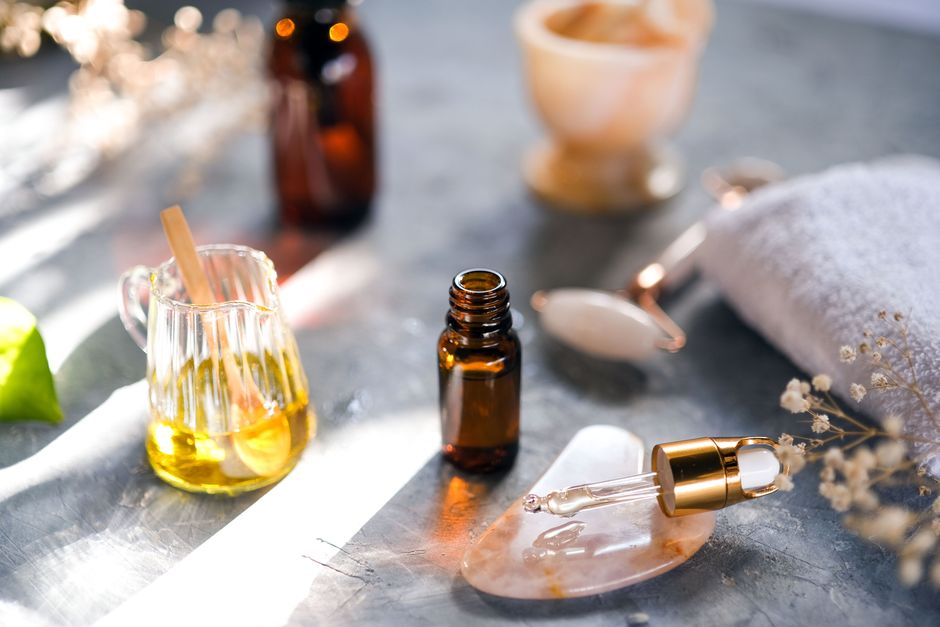
Essential oils are concentrated plant extracts. Some have shown real anti-inflammatory and pain-relieving activity in laboratory and small human studies. The strongest evidence is for peppermint oil in tension headaches and lavender in anxiety-related pain and sleep. Most other popular oils — including frankincense, turmeric, and wintergreen — have promising early data but no large human trials confirming meaningful pain relief. Essential oils can support comfort. They are not a substitute for treating the cause of chronic inflammation or pain.
How Do Essential Oils Actually Work on Inflammation and Pain?
Essential oils are volatile compounds — mostly terpenes, phenols, and aromatic molecules — extracted from plants. When applied to skin or inhaled, some interact with nerve receptors, local blood flow, and the body’s stress response. That is a real physiological effect, not a placebo trick.
Two mechanisms are well established. First, certain compounds like menthol (from peppermint) and camphor activate cold-sensing nerve receptors called TRPM8. This creates a cooling sensation that can temporarily reduce the perception of pain in that area. Second, smells travel directly to the limbic system — the brain region tied to emotion, memory, and stress — which is why scent can shift how pain feels emotionally.
What essential oils do not do is reduce systemic inflammation the way a medication does. No essential oil has been shown in human trials to lower C-reactive protein, cytokines, or other circulating inflammatory markers to a clinically meaningful degree. The anti-inflammatory effects seen in lab studies use concentrations far higher than what reaches your bloodstream from a diluted topical application.
That distinction matters. Local, temporary relief of discomfort is plausible and supported. Whole-body anti-inflammatory action is not.
Which Essential Oils Have the Best Evidence for Pain?
Peppermint oil has the most consistent human evidence of any essential oil for pain. A diluted topical application to the temples and forehead has been studied for tension-type headaches, with results suggesting modest relief. The mechanism is the menthol-driven cooling effect on nerve endings, and it is one of the few oils where clinical research aligns with traditional use.
Lavender has reasonable evidence for reducing anxiety and improving sleep quality, and anxiety amplifies how people experience pain. Research on lavender for pain itself is smaller and less consistent. Some studies suggest benefit after surgery or during procedures; results vary. The effect appears to run mostly through calming the nervous system rather than blocking pain signals directly.
Eucalyptus oil, often combined with peppermint in chest rubs, has been studied mainly for respiratory symptoms and congestion. Evidence for pain relief is limited and mostly indirect.
Here is an honest comparison of the evidence across commonly marketed oils:
| Essential Oil | Common Claim | Strength of Human Evidence |
|---|---|---|
| Peppermint | Tension headache, muscle soreness | Moderate for tension headache; limited for muscle pain |
| Lavender | Anxiety, sleep, general pain | Moderate for anxiety and sleep; limited for pain directly |
| Wintergreen | Muscle and joint pain | Limited; contains methyl salicylate (see safety section) |
| Frankincense | Anti-inflammatory, joint pain | Early lab data only; no large human trials |
| Turmeric | Systemic inflammation | Mostly studied as an oral supplement, not as an essential oil |
| Ginger | Muscle pain, nausea | Limited for pain; better evidence for nausea |
What About Frankincense, Turmeric, and Wintergreen?
Frankincense gets a lot of attention online for inflammation. Lab studies show its compounds can influence inflammatory pathways in cells. That is real science — but it is test-tube science. No large human trial has confirmed that applying frankincense oil reduces joint pain or inflammation in people. The gap between a promising lab result and a proven clinical benefit is wide, and frankincense sits firmly on the unproven side of it.
Turmeric is a different case. Curcumin, the active compound in turmeric, has been studied as an oral supplement for inflammation, and results are mixed but ongoing. Essential oil of turmeric is not the same product. It is a different extract, used differently, and the supplement research does not transfer to it. Marketing that borrows turmeric’s supplement reputation for its essential oil is misleading.
Wintergreen deserves special caution. It contains high levels of methyl salicylate, a compound related to aspirin. It can genuinely relieve muscle pain when applied topically. It can also cause serious harm if swallowed, especially by children, and should never be used on broken skin or combined with blood-thinning medication without medical advice.




How Should You Use Essential Oils for Pain Safely?
Essential oils are not regulated for purity or therapeutic claims the way medications are. Quality varies widely between brands, and “therapeutic grade” is a marketing term, not a regulated standard. Buy from brands that list the plant’s botanical name and batch testing information.
Safety rules that apply to everyone:
- Always dilute. A common guideline is a few drops of essential oil per ounce of carrier oil such as jojoba or fractionated coconut oil. Never apply undiluted oil to skin.
- Patch test first. Apply a small diluted amount to your inner forearm and wait 24 hours before broader use.
- Keep away from eyes and mucous membranes. Wash hands after applying.
- Do not swallow essential oils. Ingestion carries real risk of poisoning and is not recommended outside supervised medical use.
- Avoid on broken or irritated skin. Absorption increases and irritation risk rises.
- Store out of reach of children. Some oils, including wintergreen and eucalyptus, are dangerous if ingested by children.
Pregnancy, breastfeeding, and young children need extra care. No clinical guidelines currently exist for essential oil use in these groups, and many oils are not considered safe during pregnancy. Talk to a clinician before using any essential oil if you are pregnant, breastfeeding, or using oils on or near a child.
Essential oils can also interact with medications, particularly ones that affect the liver or blood clotting. If you take prescription medication, check with a pharmacist or doctor first.
Can Essential Oils Replace Medical Treatment for Inflammation?
No. This is the most important point in this article. Chronic inflammation — the kind linked to arthritis, heart disease, diabetes, and autoimmune conditions — is a medical issue that requires medical management. Essential oils have not been shown to treat it.
Pain that lasts more than a few weeks, comes with swelling, redness, or warmth, or interferes with daily function needs evaluation. So does pain accompanied by fever, unexplained weight loss, or numbness. Those signs point to conditions where delaying care carries real risk.
Essential oils fit best as a comfort measure alongside evidence-based care — a warm compress with peppermint for a tension headache, lavender in a diffuser at bedtime, a diluted massage oil for sore muscles after exercise. They are a gentle addition, not a replacement.
What Should You Realistically Expect?
Expect modest, temporary relief of discomfort — not elimination of pain and not reduced inflammation. Effects from topical oils typically last as long as the sensation does, often under an hour. Inhaled oils affect mood and stress within minutes, which can change how pain feels without changing the pain itself.
If an oil helps you feel more comfortable, sleep better, or move more easily, that is a meaningful benefit and worth having. Just keep your expectations honest about what it is doing and what it is not.
Frequently Asked Questions
What essential oil is best for inflammation?
No essential oil has been proven in large human trials to reduce systemic inflammation. Peppermint has the most consistent evidence for localized discomfort, but that effect is temporary pain relief, not anti-inflammatory action.
Can I put peppermint oil directly on my skin?
No, peppermint oil should always be diluted with a carrier oil before applying to skin. Undiluted application can cause burning, irritation, and sensitivity.
Is lavender oil good for pain?
Lavender has reasonable evidence for reducing anxiety and improving sleep, which can indirectly affect how pain feels. Evidence for direct pain relief is limited and mixed.
Are essential oils safe during pregnancy?
No clinical guidelines currently exist for essential oil use during pregnancy, and many oils are not considered safe. Talk to your clinician before using any essential oil while pregnant or breastfeeding.
