
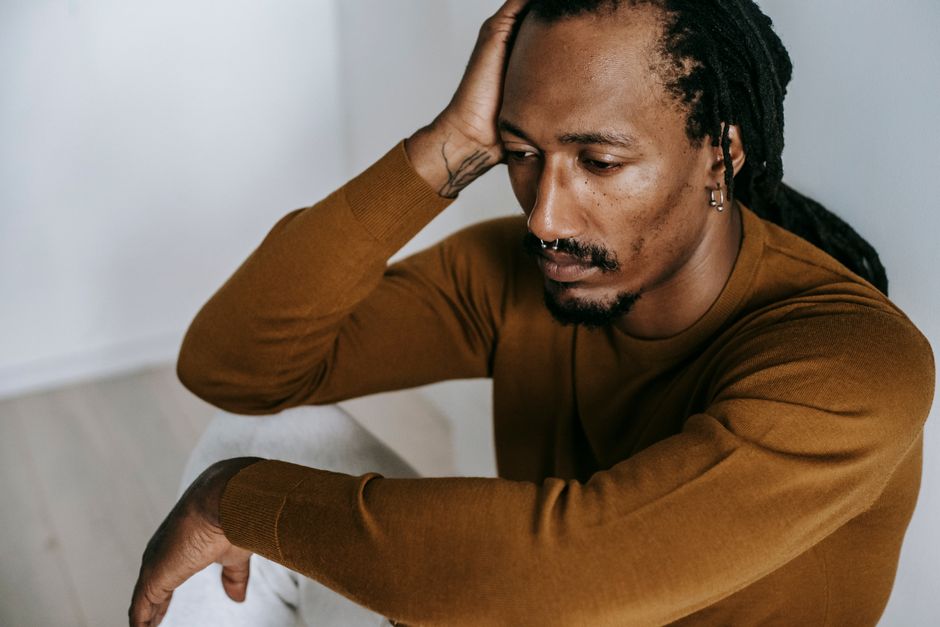
In psychology, brown is not tied to a single emotion the way red is linked to anger or yellow to joy. Instead, brown represents a cluster of grounded feelings: stability, security, comfort, and a sense of being rooted. It is the color of earth, wood, and soil, so it naturally signals reliability and support. Psychologically, brown often evokes feelings of safety and belonging, making it a color associated with warmth and resilience rather than excitement or distress.
What Is the Psychological Meaning of Brown?
Brown sits at the low end of the color spectrum in terms of visual intensity. It is essentially darkened orange or yellow, which means it carries some of those colors’ warmth but without their energetic punch. This is why brown feels calming rather than stimulating.
In color psychology, brown is linked to the need for security. It represents the physical body, the home, and the familiar. People often describe brown as honest and dependable. It does not demand attention. It simply holds space.
The emotional response to brown is usually subtle. It can feel like a deep breath after a stressful day. It can also feel dull or heavy if overused. Context matters as much as the color itself.
Does Brown Represent Positive or Negative Emotions?
Brown carries both positive and negative emotional associations, depending on the shade and the setting.
On the positive side, brown represents stability, endurance, and a down-to-earth attitude. It is the color of reliability. Think of sturdy furniture, strong tree trunks, or warm coffee. These things feel safe and trustworthy. Studies on color preference consistently show that people associate brown with dependability and seriousness.
On the negative side, brown can represent heaviness, stagnation, or sadness. Dark browns can feel oppressive. In some contexts, brown is associated with dirt or decay, which can trigger feelings of disgust or discomfort. This is why brown is rarely used in branding for products meant to feel exciting or youthful.
The emotional meaning of brown is therefore dual. It can ground you or weigh you down. The specific shade and surrounding colors determine which emotion surfaces.
Why Does Brown Feel Warm and Comforting?
Brown feels warm because of its origin in the color wheel. It is created by mixing complementary colors, typically orange and blue or red and green. The resulting hue retains the warmth of the orange or red base while losing their brightness.
This warmth translates into a sense of physical comfort. Brown is the color of natural materials like wood, leather, and clay. These materials have been part of human shelter for thousands of years. The brain associates brown with protection from the elements, which triggers a relaxation response.
Psychologists call this an evolutionary association. Early humans relied on natural brown environments for survival. Caves, soil, and wood provided safety. That ancient connection still influences how brown feels today. It is a color that says “you are safe here” more than any other hue.





What Emotions Are Linked to Brown in Different Contexts?
Brown’s emotional meaning shifts across settings. In interior design, brown creates a cozy and intimate atmosphere. It encourages conversation and relaxation. This is why many living rooms and libraries use brown tones.
In fashion, brown communicates approachability and practicality. A person wearing brown is often perceived as grounded and sincere. This is different from black, which signals formality or power, and different from white, which signals purity or minimalism.
In nature, brown represents the cycle of life. Soil supports growth. Autumn leaves turn brown before falling. This ties brown to themes of renewal, patience, and the natural rhythm of change. It is not an exciting emotion, but it is a deeply human one.
In art and therapy, brown is sometimes used to help people feel anchored. Art therapists note that clients who are overwhelmed often choose brown or other earth tones. These colors help regulate emotion by connecting the person to something stable and unchanging.
Does Brown Affect Mood or Behavior?
Color psychology research suggests that colors can influence mood, but the effects are often modest and context-dependent. Brown is no exception.
Some studies indicate that brown environments can reduce stress by promoting a sense of calm. The mechanism is likely related to its low visual stimulation. Brown does not excite the visual system the way bright red or yellow does. This allows the nervous system to settle.
However, brown does not have the same mood-boosting effects as green or blue. Green is linked to nature and vitality. Blue is linked to calm and clarity. Brown is more neutral. It supports emotional stability but does not actively elevate mood.
In marketing, brown is used to convey quality and tradition. Brands like chocolate companies and furniture stores use brown to signal craftsmanship and durability. The emotional goal is trust, not excitement. This works because consumers associate brown with products that last.
How Does Brown Compare to Other Earth Tones?
Brown is part of a family of earth tones that includes beige, tan, ochre, and terracotta. Each has its own emotional nuance.
| Color | Primary Emotion | Common Association |
|---|---|---|
| Brown | Stability | Reliability, comfort |
| Beige | Neutrality | Simplicity, calm |
| Tan | Warmth | Casual comfort |
| Terracotta | Vitality | Creative energy |
| Ochre | Groundedness | Historical depth |
Brown is the most grounding of these tones. It has more visual weight than beige and more depth than tan. It does not carry the creative energy of terracotta, but it offers a stronger sense of permanence.
When people need to feel anchored, brown is the earth tone that delivers that feeling most reliably. When they need lightness, lighter earth tones or cooler colors serve better.
Can Brown Trigger Negative Emotional Responses?
Yes. Brown can trigger negative emotions, especially in certain contexts or in large amounts.
Dark brown environments can feel heavy or depressing. This is particularly true in rooms with poor lighting. Without natural light, brown walls can close in on a space and make it feel smaller. This can contribute to feelings of fatigue or low mood.
Brown can also be associated with unpleasant things. Mud, waste, and decay are all brown. These associations can trigger disgust in some people. This is not universal, but it is common enough that designers and marketers avoid brown when they want a clean or fresh feeling.
Cultural factors also play a role. In some cultures, brown is associated with humility and simplicity. In others, it may be linked to poverty or neglect. These cultural meanings shape individual emotional responses to the color.
What Should You Consider When Using Brown in Your Life?
If you want to bring brown into your environment, balance matters. Brown works best as an accent or a base color, not as the sole color in a space.
Pair brown with lighter colors to prevent heaviness. Cream, white, or soft green can lift the mood of a brown space. Warm lighting also helps brown feel inviting rather than dull.
In clothing, brown communicates approachability. It is a good choice for professional settings where you want to seem trustworthy and down-to-earth. It may not be the best choice for events where you want to project high energy or formality.
If you are using brown to manage your own emotional state, pay attention to how it makes you feel. Some people find brown deeply calming. Others find it monotonous. Your personal history with the color matters more than any general rule.
Is There a Universal Emotion for Brown?
There is no universal emotion for brown. Emotional responses to color are shaped by personal experience, culture, and context. What feels comforting to one person may feel dull to another.
That said, the most consistent psychological association with brown is stability. Across studies and cultural observations, brown is consistently linked to dependability, security, and a sense of being grounded. These are not flashy emotions, but they are essential ones.
Brown does not ask you to feel excited or inspired. It asks you to feel safe. In a world that often demands constant stimulation, that quiet emotional message is valuable.
Frequently Asked Questions
What emotion is most commonly associated with brown?
Stability is the emotion most commonly linked to brown in psychology. It represents security, reliability, and a grounded sense of comfort.
Is brown a calming color?
Yes, brown is generally calming because it is low in visual intensity. It does not stimulate the nervous system the way bright colors do, which allows for relaxation.
Can brown cause sadness or depression?
Dark brown in large amounts can feel heavy and contribute to low mood. This is more about the shade and environment than the color itself.
Why do people find brown comforting?
Brown is associated with natural materials like wood and soil that provided shelter for early humans. This evolutionary link makes brown feel safe and protective.
