
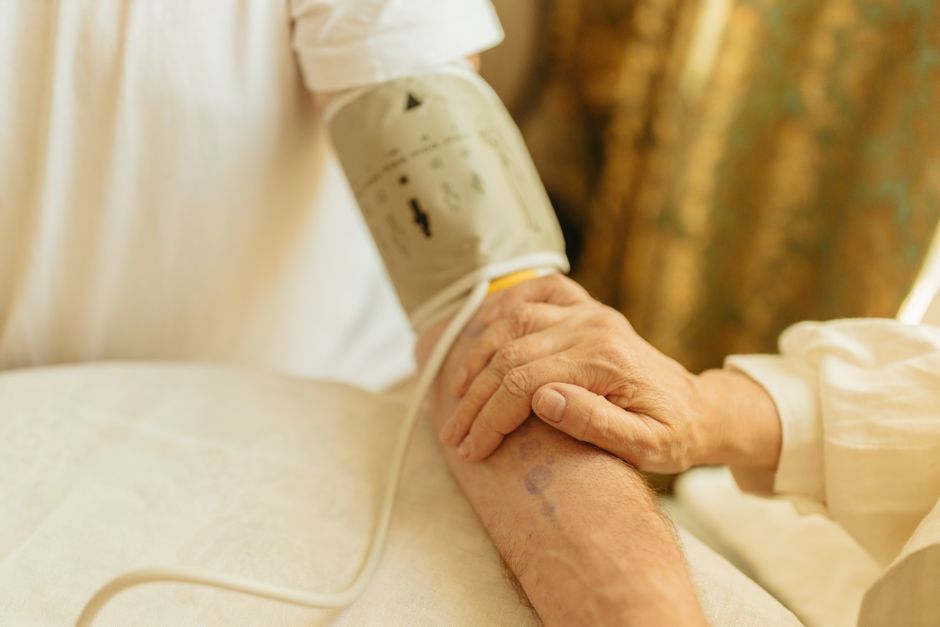
Elasticized stockings apply gentle, graduated pressure to the leg. That pressure is highest at the ankle and steadily decreases as the stocking rises toward the knee or thigh. This external squeeze helps the veins and calf muscles push blood back up toward the heart and reduces the pooling of fluid that causes swelling. They are a mechanical tool, not a drug, and their effects depend on fit, pressure level, and how consistently they are worn.
What Elasticized Stockings Do For Blood Flow And Swelling?
They change the pressure balance inside your leg veins. To understand why that matters, it helps to know how blood normally travels back up from your feet.
Veins in the legs carry blood against gravity. Two things make that possible. The calf muscles act as a pump when you walk, squeezing veins and pushing blood upward. One-way valves inside the veins keep blood from sliding back down between steps.
When those valves weaken or vein walls stretch, blood can flow backward and pool in the lower leg. That pooling raises pressure in the small veins and capillaries. Fluid gets pushed out into surrounding tissue, and the leg swells. This is the basic mechanism behind many cases of chronic leg swelling and the discomfort that comes with it.
Compression stockings work with the calf pump instead of replacing it. By squeezing the ankle most and the upper leg least, they help move blood in one direction — upward. They also counter the outward push of fluid into the tissue, which is why swelling often goes down while they are worn.
One detail worth knowing: graduated pressure is the whole point. A stocking that squeezes evenly, or squeezes hardest at the top, does not do the same job and can even make things worse by trapping blood below the tight band.
How Does Graduated Compression Actually Work?
The pressure is measured in millimeters of mercury (mmHg), the same unit used for blood pressure. Standard categories exist, and they are not interchangeable.
- Mild (roughly 8–15 mmHg): often sold over the counter for tired, achy legs and mild swelling.
- Moderate (roughly 15–20 mmHg): commonly used for travel and mild varicose veins.
- Firm (roughly 20–30 mmHg): frequently used for more pronounced varicose veins and after some vein procedures.
- Strong (30–40 mmHg and above): typically used for more serious venous problems and managed with clinical guidance.
These ranges are widely used in clinical practice, though exact labeling varies by brand and country. The higher the pressure, the more it tends to help — and the more it can cause discomfort or skin problems if it does not fit properly.
The mechanism is straightforward. External pressure supports the vein walls, helps the valves close more effectively, and reduces the diameter of stretched veins. Smaller veins mean the valves can meet again, which improves one-way flow. At the same time, the pressure opposes the leakage of fluid into the tissue, so swelling decreases.
What compression does not do is repair damaged valves. It manages the problem while it is on your leg. Take the stockings off, and the underlying vein weakness is still there.
What Conditions Are They Used For?
Compression is used across a range of conditions, and the evidence is stronger for some than others.
For chronic venous insufficiency — the broad term for veins that do not return blood efficiently — compression is a mainstay. It reduces swelling, heaviness, and aching in many people. This is one of the better-supported uses.
For varicose veins, compression can ease symptoms like pain and fatigue in the legs. It does not remove the veins or reverse the condition.
After a deep vein thrombosis (DVT), some clinicians recommend compression to reduce the risk of post-thrombotic syndrome, a complication that can cause long-term swelling and pain. The evidence here is mixed, and practice varies. It is a decision best made with a clinician who knows your history.
For preventing DVT during long flights or after surgery, compression is often used alongside other measures. The evidence supports its role, but it works best as part of a broader plan rather than on its own.
For lymphedema — swelling caused by a problem in the lymphatic system rather than the veins — compression is also used, but usually as part of a specialized program. This is a different condition with a different mechanism, and it generally needs professional management.


Does the Evidence Support Them?
For venous insufficiency and swelling, the evidence is solid. Compression has been used for decades, and its effects on leg swelling and symptoms are well documented.
For other uses, the picture is more uneven. Some studies suggest benefit for post-thrombotic syndrome, but results vary and the optimal pressure and duration are debated. For tired legs in people without vein problems, the evidence is weaker — compression may feel good, but it is not correcting a diagnosed problem.
It is worth being clear about what compression is not. It is not a treatment that cures vein disease. It manages symptoms. Anyone promising that stockings will “fix” varicose veins or permanently reverse swelling is overstating what the evidence shows.
How Do You Choose and Wear Them?
Fit matters more than almost anything else. A stocking that is too loose does little. One that is too tight can cause pain, skin irritation, or restrict blood flow.
Measurements are usually taken at the ankle and calf (and thigh for longer stockings), plus leg length. This is why off-the-shelf sizes work for some people and not others. If your measurements fall between sizes or your legs are uneven, a properly fitted option is worth the effort.
Put them on first thing in the morning, before swelling builds up. Once fluid has pooled, it is harder to get the stocking on and less effective. Most people take them off at night unless a clinician advises otherwise.
They should feel firm but not painful. Numbness, tingling, color changes, or increasing pain are signs to remove them and check with a clinician.
Replace them when they lose their stretch. Over time, the elastic weakens and the pressure drops, even if they look fine.
Are There Risks or Reasons to Avoid Them?
Compression is generally well tolerated, but it is not right for everyone.
People with significant peripheral artery disease should be cautious. If arteries are already narrowed, external pressure can further reduce blood flow. This is a real concern, not a minor one, and it is why a circulation check matters before starting firm compression.
Other situations that warrant caution include severe heart failure with fluid overload, certain skin infections, and wounds that need specific care. In these cases, compression may still be appropriate, but it needs clinical oversight.
Skin irritation is the most common practical problem. It often comes from poor fit, wearing them too long, or not letting the skin breathe. Keeping the skin clean and dry, and following fit guidance, helps.
If you have diabetes, reduced sensation, or poor circulation, get guidance before using compression, since you may not feel a problem developing.
Do They Replace Other Treatments?
No. Compression is one part of managing vein and swelling problems, not a replacement for other approaches.
Movement matters. Walking activates the calf pump, which is the body’s own compression system. Elevating the legs above heart level when resting helps fluid drain. Weight management and avoiding long periods of standing or sitting still all play a role.
For varicose veins, procedures such as laser treatment, sclerotherapy, or surgery can address the underlying veins. Compression can be used before and after these procedures, but it does not substitute for them.
Think of stockings as support for a system that is not working as well as it should — useful, often effective, but not a fix on their own.
Frequently Asked Questions
Do compression stockings really reduce swelling?
Yes, for many people with venous-related swelling, compression reduces fluid buildup in the leg while it is worn. The effect depends on proper fit and the right pressure level.
Can I wear compression stockings all day?
Most people wear them during the day and remove them at night, unless a clinician advises otherwise. If you notice numbness, tingling, or color changes, take them off and seek advice.
Are tighter stockings always better?
No. Higher pressure can help more in some conditions, but it also raises the risk of discomfort and skin problems. The right level depends on your condition and should be guided by a clinician when pressure is firm or strong.
Can compression stockings cure varicose veins?
No. They ease symptoms like aching and swelling but do not repair damaged veins or remove them. Procedures are what address the veins themselves.
