
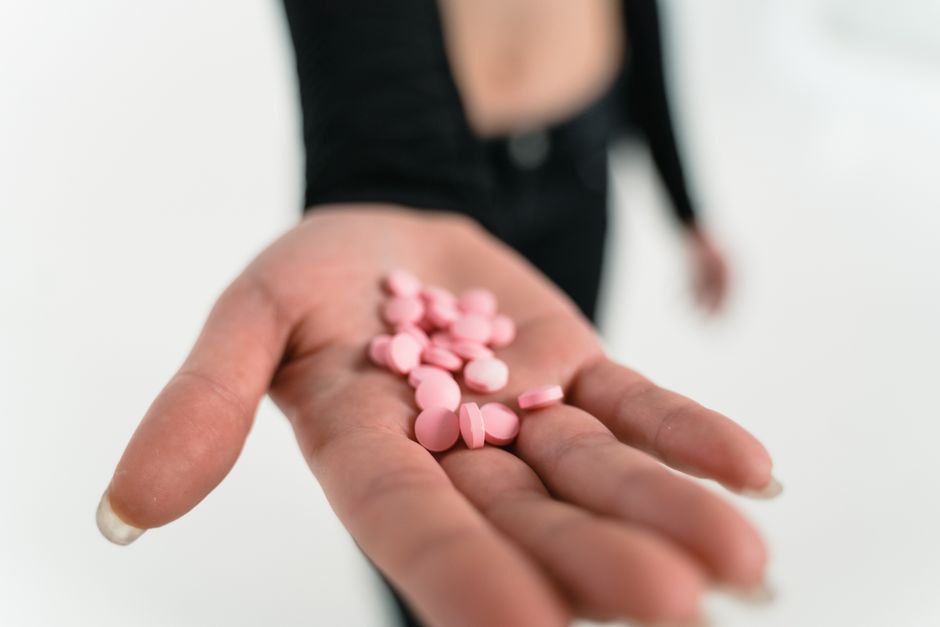
Cannabidiol, or CBD, has become a common product in drugstores, coffee shops, and online checkout pages. Many people take it for sleep, stress, or joint pain without thinking of it as a drug. But CBD interacts with the same liver enzymes that process a long list of prescription medications. That interaction can raise the level of a drug in your body, lower it, or change how well it works.
The drugs that should not be taken with CBD include certain blood thinners such as warfarin, many seizure medications, some antidepressants, opioids, benzodiazepines, and several heart and immune-system drugs. The best-known interaction is with the blood thinner warfarin, where CBD can increase bleeding risk. The FDA has also warned that CBD can raise liver enzymes and interact with other medications. If you take any prescription drug, talk to your pharmacist or doctor before adding CBD.
What Drugs Should Not Be Taken With CBD?
The clearest answer comes from how CBD is processed in the body. CBD is broken down by a group of liver enzymes called cytochrome P450, often shortened to CYP450. Many prescription drugs use the same enzymes. When CBD and another drug compete for the same enzyme, one or both can build up in the bloodstream.
This is not a small effect. The FDA has noted that CBD can raise the blood levels of other drugs and increase the risk of side effects. The agency has specifically flagged the interaction between CBD and the blood thinner warfarin as a serious concern.
Drugs that carry meaningful interaction concerns with CBD include:
- Warfarin and other blood thinners, because CBD can increase bleeding risk
- Clobazam and other anti-seizure medications
- Certain antidepressants, particularly SSRIs and related drugs
- Opioid painkillers such as codeine and morphine
- Benzodiazepines such as diazepam and alprazolam
- Some heart medications, including certain calcium channel blockers
- Immune-suppressing drugs used after transplants
- Certain antifungals and antibiotics
This list is not complete. It reflects drugs where the interaction is either documented or strongly expected based on how they are metabolized. The full picture depends on your specific medications and doses.
Why Does CBD Interact With So Many Medications?
The liver handles most drug processing in the body. A family of enzymes called CYP450 does the heavy lifting. CBD inhibits several of these enzymes, which means drugs that depend on them can stay in the body longer than expected.
Think of it like a single checkout lane at a store. If CBD is in line ahead of your medication, your medication waits. It builds up. The same dose that worked before may now act like a higher dose.
This matters most for drugs with a narrow safety window. Warfarin is a classic example. A small change in its blood level can shift someone from a safe range to a dangerous one. The same is true for some seizure medications and immune suppressants.
CBD can also affect how the body absorbs certain drugs, though this is less studied. The interaction picture is not fully mapped. Research on CBD drug interactions in humans is still limited, and much of what is known comes from animal studies or from the seizure medication Epidiolex, which is a purified CBD product.
Is CBD Safe to Take With Blood Thinners?
No. This is one of the most serious known interactions. CBD can increase the effect of warfarin, which raises the risk of bleeding. The FDA has specifically warned about this combination.
Warfarin works by slowing blood clotting. Its dose is carefully adjusted based on regular blood tests. Adding CBD can push clotting times out of range. That can mean bruises, nosebleeds, or in serious cases, internal bleeding.
Other blood thinners, including newer drugs like apixaban and rivaroxaban, may also interact with CBD, though the evidence is less direct. If you take any blood thinner, do not start CBD without talking to the doctor managing your anticoagulation.





Does CBD Affect Seizure Medications?
Yes, and this is one of the better-studied interactions. The prescription CBD product Epidiolex is used to treat certain severe childhood epilepsies. In clinical trials, it was found to raise blood levels of clobazam, a common anti-seizure drug.
This interaction can cause added drowsiness and other side effects. Because of this, doctors who prescribe CBD for seizures monitor drug levels closely and often adjust doses of the other medications.
Other seizure drugs, including valproate, may also interact with CBD. The FDA has warned that CBD can cause liver injury, and this risk may be higher when combined with certain medications. Anyone taking seizure medication should treat CBD as a drug interaction, not a supplement.
What About Antidepressants and Anti-Anxiety Medications?
Many antidepressants and anti-anxiety drugs are processed by the same liver enzymes that CBD affects. This includes SSRIs like fluoxetine and sertraline, and benzodiazepines like diazepam and alprazolam.
When CBD slows the breakdown of these drugs, side effects can increase. That might mean more drowsiness, dizziness, or in rare cases, a condition called serotonin syndrome when SSRIs build up.
The evidence here is not as strong as it is for warfarin or seizure drugs. Much of the concern is based on how these drugs are metabolized rather than on large human trials. That does not make the risk unreal. It means the exact size of the effect is not well measured.
If you take an antidepressant or anti-anxiety medication, the cautious move is to talk to your prescriber before adding CBD. Do not stop or change your medication on your own.
Are There Drugs That CBD Makes Less Effective?
Most interaction concern is about drugs building up to higher levels. But CBD can also lower the levels of some drugs by affecting how they are absorbed or processed. This can make a medication less effective.
One area of interest is how CBD affects certain immune-suppressing drugs used after organ transplants. If those drug levels drop, the risk of organ rejection could rise. This is a serious concern, though direct human data is limited.
Some chemotherapy drugs and certain heart medications may also be affected. The direction of the interaction depends on the specific drug and how it moves through the body. This is why checking with a pharmacist is more useful than guessing.
How Can You Check for Interactions Safely?
The most reliable step is to bring your full medication list to a pharmacist. Pharmacists have access to interaction databases and can flag concerns that a general search may miss. They can also tell you whether a specific CBD product is likely to cause a problem.
Keep in mind that CBD products are not tightly regulated in the same way as prescription drugs. Labels may not match what is in the bottle. A product that claims to be “pure CBD” could contain other cannabinoids or contaminants that add their own risks.
Some practical steps:
- Tell your doctor and pharmacist about every CBD product you use, including gummies, oils, and topicals
- Ask specifically about CYP450 interactions, since that is the main mechanism
- Be cautious with high-dose CBD, which is more likely to cause interactions than low doses
- Watch for new side effects after starting CBD, especially drowsiness, bleeding, or unusual bruising
Topical CBD, which is applied to the skin, is less likely to reach the bloodstream in meaningful amounts. That may lower the interaction risk, though some absorption can still happen. Oral CBD is the bigger concern.
Does the Dose of CBD Matter for Interactions?
Yes. Higher doses are more likely to cause interactions, but there is no clear threshold below which CBD is guaranteed safe with every drug. The prescription CBD product used in seizure treatment is given at much higher doses than most over-the-counter products, and those higher doses are where many interactions have been documented.
That does not mean low doses are risk-free. A person taking warfarin could see changes even at a modest dose. The safest approach is to assume any oral CBD can interact until you have checked with a professional.
CBD is not a benign supplement for everyone. For people on multiple medications, the interaction risk is real and, in some cases, serious. The goal is not to scare anyone away from CBD. It is to make sure the decision is informed.
Frequently Asked Questions
What is the most dangerous drug to take with CBD?
Warfarin is the most clearly documented serious interaction, because CBD can increase its blood-thinning effect and raise bleeding risk. The FDA has specifically warned about this combination.
Can I take CBD with antidepressants?
It is not recommended without checking with your prescriber first, because CBD can slow the breakdown of many antidepressants and increase side effects. The exact size of the risk is not well measured in humans.
Does CBD interact with all medications?
No, but it interacts with a large number of them because it affects the liver enzymes that process many drugs. The risk is highest for drugs with a narrow safety window, like warfarin and some seizure medications.
Is topical CBD safer for drug interactions?
Topical CBD is less likely to reach the bloodstream in large amounts, so the interaction risk is probably lower. Some absorption can still occur, so it is not guaranteed to be free of risk.
