
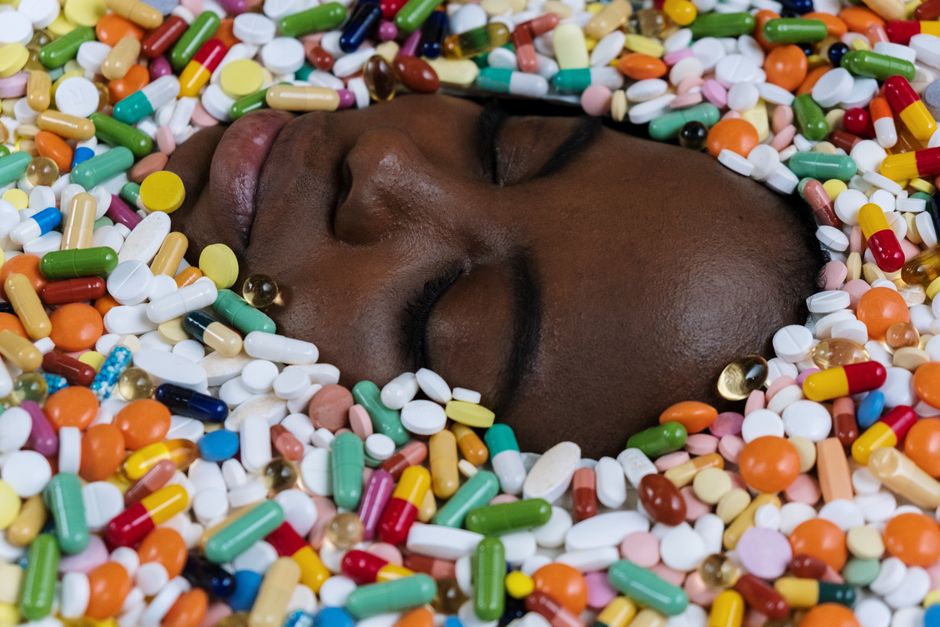
No drug puts you to sleep instantly. The fastest-acting sleep medications available by prescription take roughly 10 to 20 minutes to begin working, and that is under ideal conditions. Drugs given in the hospital for procedures, like propofol, act within seconds to a minute — but they are not sleep aids you take at home. They require an anesthesia team and continuous monitoring because they can stop your breathing.
The honest answer to the search that brought you here is this: nothing you can safely take at home works instantly. What exists are fast-acting prescription sedatives, and their speed depends on how you take them, what else is in your system, and your own body. Understanding that gap between marketing and pharmacology matters, because the desire for instant sleep often leads people toward unsafe shortcuts.
What Is the Fastest-Acting Sleep Medication?
Among prescription sleep medicines, the fastest onset generally belongs to a small group of drugs designed to enter the brain quickly. They include zolpidem (sold as Ambien), zaleplon (Sonata), and eszopiclone (Lunesta), along with certain benzodiazepines such as triazolam.
These drugs are lipophilic, meaning they dissolve readily in fat. That property lets them cross the blood-brain barrier quickly and begin acting on brain receptors that promote sedation. Zaleplon has one of the shortest onsets among this group, often described as starting to work within about 15 minutes. Zolpidem is similar, typically taking effect in roughly 15 to 30 minutes.
Here is a point many people miss. The drug is not the only variable. Onset time is measured in clinical studies under controlled conditions — an empty stomach, a specific dose, a quiet setting. Real life changes all of that.
A heavy meal before dosing can slow absorption and delay sleep. Alcohol interacts with these drugs in ways that range from dangerous to unpredictable. And individual differences in body weight, liver function, and age shift how quickly any drug takes effect.
Why Doesn’t Anything Work Instantly?
Instant sleep is not how human biology works. Falling asleep is a process, not a switch. Your brain has to shift from wakefulness into a state of reduced consciousness, and that involves changes across many systems at once.
Even the most powerful sedatives do not flip a single lever. They amplify the brain’s own sleep-promoting signals, chiefly a chemical called GABA, which quiets nerve activity. That amplification takes time — minutes, not seconds — because the drug has to be absorbed, travel through your blood, and reach the brain in enough concentration to matter.
For a drug to act within seconds, it has to be delivered directly into the bloodstream at high concentration. That is exactly what happens in a hospital when an anesthetic like propofol is given through an IV. The reason it works so fast is the route of delivery and the dose, not some special property that could be bottled for home use.
The same drug that safely puts a monitored patient under can cause dangerous drops in breathing and blood pressure in an unmonitored person. That is why anesthetics are not available as sleep aids. Speed and safety pull in opposite directions here.
What About Over-the-Counter Sleep Aids?
Over-the-counter sleep products are not fast-acting in any meaningful sense. Most contain diphenhydramine or doxylamine, which are antihistamines. They cause drowsiness as a side effect, but they typically take 30 minutes or more to produce any effect, and the sedation they create is often described as grogginess rather than natural sleep.
Melatonin, widely sold as a sleep supplement, is not a sedative at all. It is a hormone that helps signal to your body that it is time to sleep. It does not knock you out. Its effect on sleep onset is generally modest, and timing relative to your body clock matters more than the dose.
Valerian root and other herbal products have been studied, but the evidence for reliable sleep onset is limited and results have been mixed. No clinical evidence currently confirms that any over-the-counter product produces instant sleep.
A word of caution about antihistamine sleep aids: they are linked with next-day drowsiness and, in older adults, with confusion and falls. They are also not meant for long-term nightly use. If you find yourself relying on them every night, that is worth raising with a clinician.
Is It Safe to Chase Instant Sleep?
Chasing instant sleep is where real harm can happen. The pressure to fall asleep immediately leads some people to combine substances, take more than the prescribed dose, or drink alcohol to speed things along. Each of these is genuinely dangerous.
Prescription sleep drugs carry real risks even when used correctly. They can cause next-day impairment, especially with driving. They can interact with other medications that depress the nervous system. Some carry a risk of dependence with ongoing use. And combining them with alcohol or opioids raises the risk of serious breathing problems.
There is also a paradox worth understanding. The harder you try to force sleep, the more your body resists. This is a well-recognized pattern in insomnia, where the anxiety about not sleeping becomes part of what keeps you awake. A drug that promised instant results would feed that anxiety, not resolve it.
If you are experiencing ongoing trouble sleeping, that is a medical issue worth professional attention, not a problem to solve alone with faster and faster remedies. A clinician can help identify what is driving your insomnia and discuss options with a realistic picture of what each one can and cannot do.
How Do Prescription Sleep Drugs Compare?
The table below gives a general picture of onset times for common prescription sleep medicines, based on typical clinical descriptions. Individual results vary, and these are not dosing instructions.
| Drug type | Common example | Typical onset | Notes |
|---|---|---|---|
| Non-benzodiazepine (“Z-drug”) | Zaleplon | About 15 minutes | Short-acting; used for sleep onset |
| Non-benzodiazepine | Zolpidem | About 15 to 30 minutes | Widely prescribed; next-day effects possible |
| Non-benzodiazepine | Eszopiclone | About 30 minutes | Longer-acting |
| Benzodiazepine | Triazolam | About 15 to 30 minutes | Risk of dependence; used cautiously |
| Orexin receptor antagonist | Various | Typically 30 minutes or more | Works by a different mechanism; not fast-onset |
| Antihistamine (OTC) | Diphenhydramine | 30 minutes or more | Grogginess common; not for long-term nightly use |
Notice that even the fastest entries are measured in minutes, not seconds. There is no row for “instant,” because that row does not exist for at-home use.
What Actually Helps You Fall Asleep Faster?
For many people with occasional trouble falling asleep, behavioral approaches outperform the expectation of a magic pill. The most studied of these is cognitive behavioral therapy for insomnia, often called CBT-I. Research consistently shows it is effective for chronic insomnia, and clinical guidelines generally recommend it as a first-line approach rather than medication.
Practical steps that support faster sleep onset include:
- Keeping a consistent wake time, even on weekends, to stabilize your body clock
- Getting out of bed if you are awake and frustrated, rather than lying there trying to force sleep
- Limiting caffeine in the afternoon and evening
- Keeping your bedroom dark, quiet, and cool
- Avoiding alcohol as a sleep aid, since it disrupts sleep later in the night
None of these are instant either. They work over days and weeks by retraining the systems that govern sleep. That slower timeline is not a weakness — it is the difference between borrowing sleep with a drug and rebuilding your own ability to sleep.
When Should You Talk to a Doctor?
Talk to a clinician if poor sleep lasts for weeks, affects your daytime functioning, or has you reaching for sleep aids regularly. Those patterns can point to an underlying issue — from chronic insomnia to sleep apnea — that a fast-acting drug would not fix and might mask.
Seek medical advice before using any sleep medication if you take other sedating drugs, drink alcohol regularly, have a history of substance use, or are pregnant or breastfeeding. For pregnancy and breastfeeding specifically, no clinical guidelines support casual use of sleep medications, and any decision should be made with a clinician who knows your situation.
The search for something that works instantly is understandable. But the honest, safer path is a realistic one: fast-acting options exist, they take minutes rather than seconds, and they come with real trade-offs. The best sleep plan is usually built with a professional, not found in a bottle promising the impossible.
Frequently Asked Questions
What drug puts you to sleep instantly?
No at-home drug does. The fastest prescription sleep medicines take roughly 15 to 30 minutes to work, and hospital anesthetics that act within seconds require continuous medical monitoring.
What is the fastest over-the-counter sleep aid?
Over-the-counter options like diphenhydramine generally take 30 minutes or more and often cause next-day grogginess. No over-the-counter product produces instant sleep.
Is zolpidem the fastest sleep medication?
Zolpidem is among the faster prescription options, typically taking effect in about 15 to 30 minutes. Zaleplon has a similarly short onset, and the best choice depends on your health and circumstances, which a clinician can assess.
Can I take a sleep medication every night?
Regular nightly use should be discussed with a doctor, because many sleep drugs carry risks of dependence and next-day impairment with ongoing use. For chronic insomnia, clinical guidelines generally recommend behavioral therapy as a first-line approach.
