
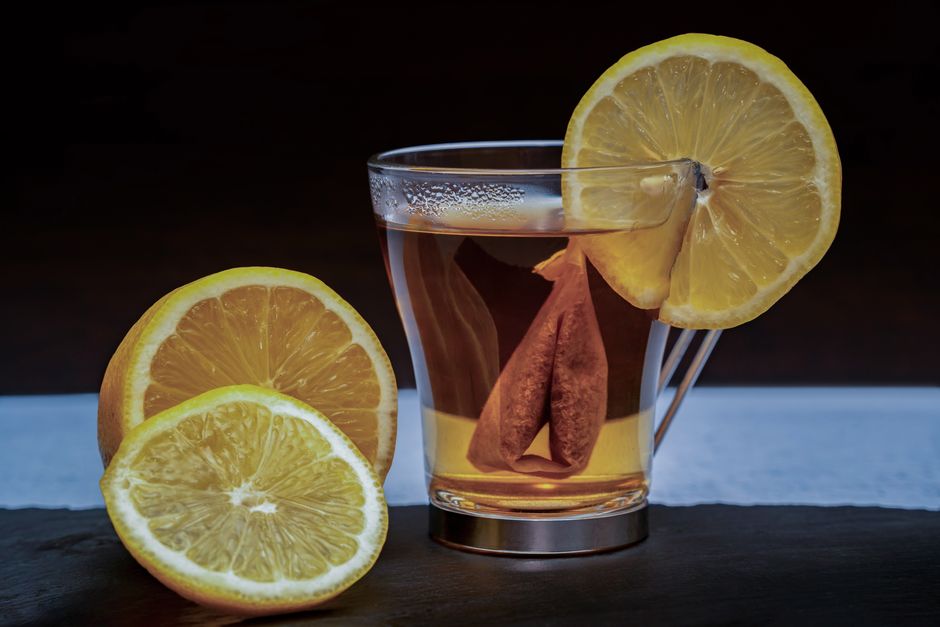
When your stomach is churning, the right drink can calm it down — or make things worse. Plain water, ginger tea, and clear broths are the most reliable options for settling a queasy stomach quickly. Drinks that are cold, carbonated, very sweet, or high in acid tend to irritate rather than soothe.
What works best depends on what is causing the problem. An upset stomach from indigestion is different from one caused by a virus, food poisoning, or anxiety. Understanding the cause helps you pick the right drink instead of guessing.
What Drinks Settle Your Stomach Quickly?
The fastest relief usually comes from simple, warm, or room-temperature liquids that are easy on the stomach lining.
Ginger tea is one of the most studied options. Ginger contains compounds that appear to speed up stomach emptying and reduce nausea. Some studies suggest it can ease nausea from motion sickness and pregnancy, though results vary depending on the dose and form. A warm cup of ginger tea is a reasonable first choice for many people.
Plain water is underrated. If your stomach is upset because you are mildly dehydrated, sipping water can help more than anything else. Cold water can sometimes trigger cramping in sensitive stomachs, so room temperature is often better.
Clear broths — chicken or vegetable — provide fluid and electrolytes without much fat or fiber. They are a common choice when someone is recovering from vomiting or diarrhea. The salt content helps replace what is lost.
Chamomile tea has mild calming properties. It will not treat an infection or fix a digestive disorder, but it can relax the gut and ease tension-related stomach upset.
Peppermint tea can help with gas and bloating. It works by relaxing the muscles of the digestive tract. One caution: peppermint can worsen reflux in some people by relaxing the valve between the stomach and esophagus.
Why Does Ginger Help With Nausea?
Ginger has been used for nausea for centuries, and modern research gives it some support. The active compounds — gingerols and shogaols — appear to affect how quickly the stomach empties and how the body signals nausea.
Research published in obstetrics and gastroenterology journals has looked at ginger for pregnancy-related nausea and post-surgery nausea. Some of these studies found benefit. Others found the effect small or no better than placebo. The evidence is not uniform.
What this means practically: ginger tea is low-risk for most people and worth trying. It is not a guaranteed fix. If nausea is severe or persistent, ginger is not a substitute for medical care.
One note on dosing: ginger supplements vary widely in concentration. There is no single established dose for general stomach upset. For tea, using fresh grated ginger steeped in hot water is a common approach, but no clinical guideline sets an exact amount for this purpose.
What Drinks Should You Avoid When Your Stomach Is Upset?
Some drinks reliably make stomach issues worse. Knowing what to skip can matter as much as knowing what to sip.
- Carbonated drinks. The bubbles add gas and pressure. This can worsen bloating and belching.
- Coffee and strong tea. Caffeine stimulates acid production and can irritate the stomach lining.
- Alcohol. It irritates the stomach directly and can worsen nausea and dehydration.
- Citrus juices. Orange, grapefruit, and lemon juice are acidic and can trigger reflux or heartburn.
- Very sweet drinks. High sugar can draw fluid into the gut and worsen diarrhea.
- Milk and creamy drinks. Dairy can be hard to digest, especially if you are lactose intolerant. It may also increase mucus and phlegm feelings for some people.
- Energy drinks. High caffeine plus sugar plus additives is a bad combination for an irritated stomach.
If you are vomiting, avoid drinking large amounts at once. Small sips every few minutes are easier on the stomach than gulping a full glass.





What About Sports Drinks and Electrolyte Solutions?
If your stomach upset involves vomiting or diarrhea, replacing electrolytes matters. Plain water alone does not replace lost sodium and potassium.
Oral rehydration solutions are designed for this. They have a specific balance of sodium, potassium, and glucose that helps the body absorb fluid. These are available at pharmacies and are used widely in clinical settings for dehydration from diarrhea.
Sports drinks are not the same as oral rehydration solutions. They have more sugar and less sodium. For mild dehydration, a sports drink may be fine. For significant fluid loss from illness, an oral rehydration solution is more appropriate.
You can also make a simple rehydration drink at home. The World Health Organization publishes a formula using clean water, salt, and sugar. This is a well-established approach for treating dehydration from diarrhea, especially where commercial solutions are not available.
When Is Stomach Upset a Sign of Something More Serious?
Most stomach upset is short-lived and not dangerous. But some symptoms need medical attention.
Seek care if you have:
- Blood in your vomit or stool
- Severe abdominal pain that does not ease
- Signs of dehydration — very dark urine, no urination for many hours, dizziness on standing
- Vomiting that lasts more than a day or two
- Diarrhea lasting more than a few days in adults
- Fever above 101°F (38.3°C) with stomach symptoms
- Inability to keep any fluids down
These signs do not automatically mean something serious. They do mean you should not try to manage it with tea and broth alone.
Does Temperature Matter?
Yes, for some people. Warm or room-temperature drinks tend to be gentler on a sensitive stomach. Cold drinks can trigger cramping or make nausea worse in some individuals.
This is not a universal rule. Some people find cold water soothing. The key is to notice how your body responds. If cold drinks make you feel worse, switch to warm.
Temperature is not the main factor. What is in the drink matters more. A warm cup of coffee is still coffee. A cold glass of water is still water.
What About Herbal Teas Beyond Ginger and Peppermint?
Several herbal teas are marketed for stomach upset. The evidence varies.
Fennel tea is traditionally used for gas and bloating. Some small studies suggest it may help, but the evidence is limited.
Licorice tea may soothe the stomach lining, but it can raise blood pressure and interact with medications. It is not a good choice for people with hypertension or heart conditions.
Green tea contains caffeine, though less than coffee. It may not be the best choice for an irritated stomach.
Chamomile is generally well tolerated and has mild calming effects. It is a reasonable option when stress is contributing to stomach upset.
For any herbal tea, check whether it interacts with medications you take. Herbal products are not regulated the same way as drugs, and potency can vary between brands.
How Should You Drink to Settle Your Stomach?
How you drink matters as much as what you drink.
Sip slowly. Large volumes at once can overwhelm a sensitive stomach and trigger vomiting.
Start small. A few tablespoons every 10 to 15 minutes is often better tolerated than a full glass.
Stop if it makes things worse. If a drink increases nausea or pain, do not force it.
Stay upright for a while after drinking. Lying down soon after can worsen reflux.
If you are recovering from vomiting or diarrhea, gradually increase the amount as you tolerate it.
Frequently Asked Questions
What is the fastest drink to settle an upset stomach?
Warm ginger tea or plain room-temperature water are the most reliable quick options. Ginger has some research support for nausea, and water helps if dehydration is part of the problem.
Does ginger ale help an upset stomach?
Probably not much. Most commercial ginger ale contains very little real ginger and a lot of sugar, which can worsen nausea and diarrhea.
Should I drink cold or warm liquids for nausea?
Warm or room-temperature drinks are usually gentler on a sensitive stomach. Cold drinks can trigger cramping in some people, but this varies.
Can I drink milk with an upset stomach?
Milk is not a good choice for most stomach upset. Dairy can be hard to digest and may worsen symptoms, especially if you are lactose intolerant.
