
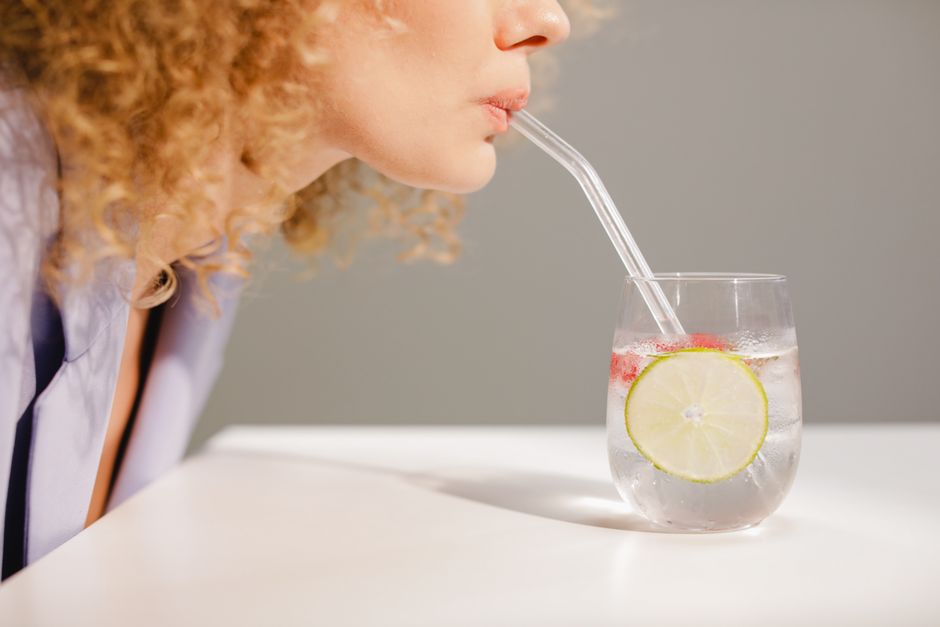
What you drink affects your skin, but not in the dramatic way marketing suggests. Water supports normal skin function, while sugary drinks and heavy alcohol can work against it. The clearest evidence links high-sugar and high-dairy intake to acne in some people, and the best choices are simple: water, unsweetened tea, and drinks low in added sugar.
Most “skin-clearing” drinks sold online have no human trials behind them. That does not mean drinks are irrelevant. It means the real effects come from what a drink contains — sugar, alcohol, caffeine, dairy — and from whether you stay hydrated. Here is what the evidence actually supports, and where the claims fall apart.
Does Drinking Water Actually Help Clear Skin?
Water keeps your skin’s outer layer working properly. The stratum corneum, the outermost layer of skin, needs adequate water content to stay flexible and to repair itself. When you are well hydrated, that barrier functions better. When you are dehydrated, skin can look dull and feel rough.
What water does not do is “flush out toxins” to clear acne. That claim has no evidence behind it. Your kidneys and liver handle waste removal, and drinking extra water beyond your body’s needs does not speed that process up in any meaningful way for skin.
There is also no established guideline that says a specific number of glasses will clear your skin. General hydration guidance exists for overall health, but no clinical guideline ties a specific water intake to acne improvement. The honest position: adequate hydration supports normal skin function, and severe dehydration harms it. Beyond that, water is a supportive habit, not a treatment.
One clarification worth knowing: drinking water does not directly “moisturize” your skin in the way a topical cream does. Skin hydration depends heavily on the barrier’s ability to hold water, which is influenced by genetics, humidity, skincare habits, and internal hydration together. Water helps the system, but it is one input among several.
Which Drinks Are Worst for Your Skin?
Sugary drinks are the strongest dietary suspect when it comes to acne. Research has fairly consistently found an association between high-glycemic diets — diets heavy in quickly digested carbohydrates and added sugars — and acne in some populations. Sodas, sweetened juices, sweet tea, and energy drinks all deliver large sugar loads quickly.
The proposed mechanism is well described, though not fully proven as a cause. High-sugar intake raises blood sugar and insulin. Insulin and related growth factors can increase sebum production and influence skin cell turnover. That pathway is biologically plausible and supported by some studies, but it does not mean sugar causes acne in everyone. The evidence is strongest as an association, not a guaranteed cause-and-effect in every person.
Alcohol is the second concern. Heavy drinking is associated with skin dehydration and can worsen facial flushing in people prone to it. Alcohol also disrupts sleep, and poor sleep is a known aggravator for several skin conditions. The evidence for moderate drinking causing acne specifically is limited. The case against heavy drinking for skin health is clearer.
Dairy is debated. Some studies, particularly in adolescents and young adults, have found an association between milk consumption — especially skim milk — and acne. Other studies have not confirmed this. The evidence is mixed, and responses vary widely between people. If you suspect dairy affects your skin, that is worth discussing with a clinician rather than assuming it is true for everyone.
Energy drinks deserve a specific mention. They combine high sugar with high caffeine, and some people find that combination aggravates breakouts and disrupts sleep. No large trials have confirmed a direct acne link, so treat this as a reasonable caution rather than a proven rule.
Do Green Tea and Other Teas Help Skin?
Green tea contains polyphenols, particularly EGCG, that have shown anti-inflammatory and antioxidant activity in laboratory and some small human studies. Some research suggests green tea extracts, both taken orally and applied topically, may influence sebum production and inflammation. The evidence is promising but not strong enough to call green tea a proven acne treatment.
What green tea does offer reliably is a low-calorie, unsweetened alternative to sugary drinks. That substitution alone may matter more for skin than any direct effect of the tea itself. Swapping a soda for unsweetened green tea removes a large sugar load.
Other teas follow the same logic. Unsweetened black tea, white tea, and herbal teas are reasonable choices. The key word is unsweetened. A sweetened tea from a bottle or café can carry as much sugar as a soft drink, which flips it into the “worst” category.
Coffee is often lumped in with “bad” drinks, but the picture is murky. Some studies have looked at coffee and skin outcomes with inconsistent results. Plain coffee without added sugar or syrups is unlikely to be a major problem for most people. The sugar and cream that often go into it are the more relevant factor.
What About Milk and Dairy Drinks?
Milk is the most studied dairy drink in relation to acne. Several observational studies have reported an association between milk intake and acne, with some pointing more strongly to skim milk than whole milk. The reason is not fully understood. One hypothesis involves hormones and growth factors naturally present in milk, but this remains a hypothesis, not an established mechanism.
The evidence is genuinely mixed. Some studies show a link; others do not. This is not a situation where the science has settled. It is also worth noting that most of these studies are observational, which means they can show a correlation but cannot prove milk causes acne.
For people who notice breakouts after increasing dairy, an elimination trial with a clinician’s guidance is reasonable. For everyone else, there is no strong basis to avoid dairy purely for skin reasons. Dairy provides calcium and protein, and cutting it out unnecessarily has its own tradeoffs.
Are “Skin-Clearing” Drinks and Collagen Beverages Worth It?
Most drinks marketed for clear skin have no human trials supporting the specific claim. Collagen drinks are a good example. Some small studies have looked at collagen peptides and skin elasticity or hydration, but results are modest and inconsistent, and the studies often involve supplements rather than beverages. None of this establishes that a collagen drink clears acne.
Drinks containing added vitamins — biotin, vitamin C, zinc — are another common category. A deficiency in certain nutrients can affect skin, and correcting a true deficiency matters. But taking extra beyond your needs has not been shown to improve skin in well-nourished people. In fact, high-dose biotin can interfere with certain lab tests, which is a real concern worth knowing.
“Detox” juices and teas are the clearest example of marketing over evidence. Your body already has organs dedicated to processing and removing waste. No juice or tea has been shown to “detoxify” skin, and some detox products contain laxatives that can cause dehydration and electrolyte problems. There is no clinical evidence these drinks clear skin.
How Do You Choose Drinks for Clearer Skin?
The practical answer is less exciting than the marketing. Choose drinks that keep added sugar low, keep you hydrated, and do not disrupt sleep. That is the core of it.
Here is a simple comparison of common drinks and where they generally fall:
- Water — supportive of normal skin function, no sugar, no downside
- Unsweetened tea — low calorie, some antioxidant content, good soda substitute
- Plain coffee — unlikely to be a major issue without added sugar
- Sugary sodas and energy drinks — high sugar load, strongest dietary suspect for acne
- Sweetened juices and teas — can carry as much sugar as soda
- Alcohol — dehydrating, can worsen flushing, disrupts sleep when heavy
- Milk — mixed evidence for acne, individual response varies
- “Detox” and collagen drinks — no established evidence for clearing skin
If you want to test whether drinks affect your skin, change one thing at a time for several weeks and watch. Cutting sugary drinks is the change with the most plausible evidence behind it. Keep a simple record. Skin changes are slow, so give any change enough time to show a real pattern rather than a coincidence.
And keep expectations realistic. Drinks are one factor among many. Hormones, genetics, skincare routine, sleep, stress, and medications all influence skin. No beverage replaces proper dermatologic care for persistent acne. If breakouts are significant or not responding to basic changes, a clinician can help far more than any drink can.
Frequently Asked Questions
What is the best drink for clear skin?
Water is the best default because it supports normal skin function without adding sugar. Unsweetened tea is a good alternative if you want flavor.
Does drinking lemon water clear acne?
No clinical evidence confirms that lemon water clears acne. It is essentially water with a little vitamin C, and the acne-clearing claim is not supported by research.
Can sugary drinks cause acne?
High-sugar diets are associated with acne in some studies, though this is an association rather than proof of cause in every person. Cutting back on sugary drinks is a reasonable step if you are concerned.
Does milk make acne worse?
Some studies suggest a link between milk and acne, but the evidence is mixed and responses vary between people. It is not established that milk worsens acne for everyone.
