
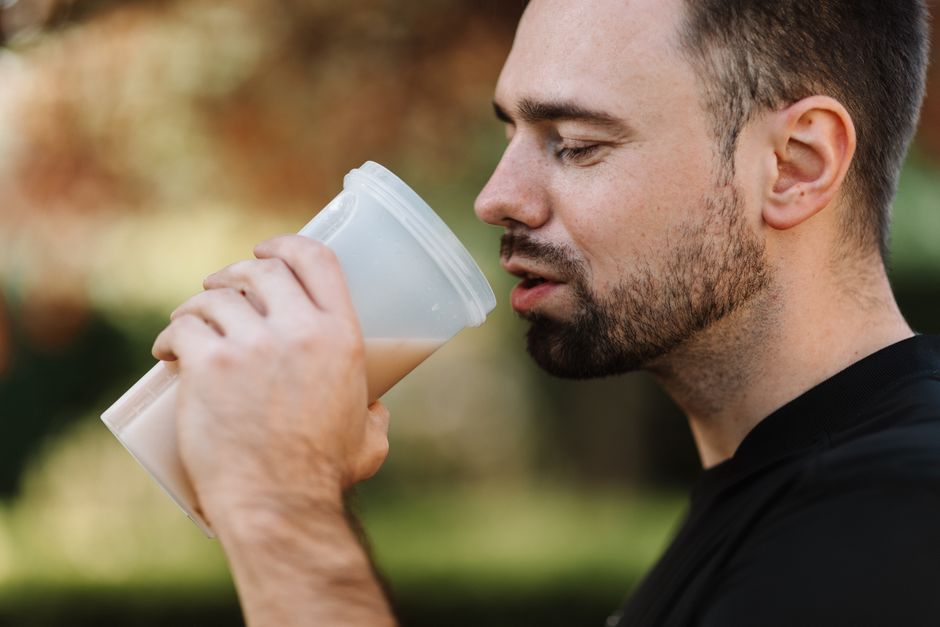
Protein drinks are everywhere. But not all of them are worth your money or your health. If you want a high-protein drink, your best options are milk, kefir, protein shakes made from whey or plant powders, and ready-to-drink protein beverages. Some store-bought options are little more than sugary chocolate milk with extra powder. Knowing what to look for makes the difference between a useful snack and a dessert in disguise.
What Drinks Are High In Protein Best Options?
The highest-protein everyday drinks are cow’s milk, kefir, and protein shakes. A standard glass of cow’s milk contains about 8 grams of protein per cup. Kefir, a fermented milk drink, provides a similar amount with added probiotics. Protein shakes made from whey or plant-based powders typically deliver 20 to 30 grams per scoop. Ready-to-drink protein shakes sold in bottles usually contain 15 to 30 grams per serving.
Plain milk and kefir are whole foods with naturally occurring protein. Protein shakes are processed products designed for convenience. Neither is wrong. They simply serve different purposes.
How Much Protein Do You Actually Need Per Day?
The Recommended Dietary Allowance for protein is 0.8 grams per kilogram of body weight per day. For a 150-pound adult, that works out to about 54 grams daily. This is the minimum needed to prevent deficiency, not the optimal amount for muscle building or recovery.
Active adults and older adults often benefit from more. Research commonly suggests 1.2 to 2.0 grams per kilogram for athletes and people trying to preserve muscle mass. A 180-pound active man targeting 1.6 grams per kilogram would need about 130 grams of protein daily. Achieving that with food alone requires planning. High-protein drinks make the target easier to hit.
Most Americans already eat enough protein. The real issue is distribution. Many people eat a small breakfast, a moderate lunch, and a very large dinner. Spreading protein across meals supports muscle maintenance better than loading it all at night. A protein drink at breakfast or as an afternoon snack can help balance your intake.
Milk and Kefir: The Whole-Food Options
Cow’s milk is the original protein drink. One cup of whole milk contains about 8 grams of protein along with calcium, potassium, and vitamin D. Skim and low-fat versions keep the protein while cutting calories and saturated fat. The protein in milk is high quality, meaning it contains all nine essential amino acids your body cannot make on its own.
Kefir is milk that has been fermented with beneficial bacteria. It has a tangy flavor and a thicker texture than regular milk. A one-cup serving provides roughly 8 to 11 grams of protein depending on the brand. The fermentation process also produces probiotics, which support digestive health. Some research suggests the probiotics in fermented dairy may be better absorbed than those in supplements, though the evidence is not definitive.
Greek yogurt is often mentioned alongside milk and kefir. While it is a food rather than a drink, you can thin it with water or milk to make a high-protein beverage. Plain Greek yogurt contains about 15 to 20 grams of protein per 6-ounce serving. Flavored versions often add significant sugar, so plain is the better choice.
Soy milk is the only plant-based milk that rivals dairy for protein content. A cup of unsweetened soy milk provides about 7 grams of protein. Almond, oat, rice, and coconut milks contain far less, typically 1 to 3 grams per cup. If you do not drink cow’s milk, soy milk is the closest nutritional match.





Protein Powders and Shakes: What to Know Before You Buy
Protein powders fall into two main categories: animal-based and plant-based. Whey and casein come from milk. Whey digests quickly and is often used after workouts. Casein digests slowly and is sometimes taken before bed. Both are complete proteins with strong evidence supporting their use for muscle recovery.
Plant-based powders are usually made from pea, rice, hemp, or soy. Pea protein is the most common and has the best amino acid profile among plant options. Many plant powders combine pea and rice protein to create a complete amino acid profile. The evidence for plant proteins supporting muscle growth is good, though some studies suggest they may be slightly less effective than whey when used alone.
When choosing a protein powder, check the ingredient list. A simple powder should contain the protein source, perhaps a sweetener, and a flavoring. Some powders contain dozens of additives, artificial sweeteners, and fillers. You do not need a powder with added vitamins, enzymes, or “proprietary blends.” These extras increase cost without proven benefit.
Third-party testing is worth looking for. Organizations like NSF International and Informed Sport test products for banned substances and verify that the contents match the label. This matters because the supplement industry is not tightly regulated. A product label can claim 25 grams of protein per scoop, but without third-party testing, you cannot be certain that is what the container holds.
Ready-to-Drink Protein Shakes: Convenience or Compromise?
Ready-to-drink protein shakes are pre-mixed beverages sold in bottles or cartons. They are convenient for travel, work, or times when you cannot mix powder. Their protein content ranges from 15 to 30 grams per bottle. Many contain added sugar, artificial sweeteners, or thickeners to improve taste and texture.
Some ready-to-drink shakes are essentially chocolate milk with extra protein. They can contain 15 to 25 grams of added sugar per bottle. The American Heart Association recommends limiting added sugar to no more than 25 to 36 grams per day for most adults. A single shake can consume most of that allowance.
Better options are shakes sweetened with stevia, monk fruit, or sucralose. These contain minimal or no added sugar. The trade-off is taste. Many people find artificially sweetened shakes have a lingering aftertaste. Try a few brands to find one you can drink regularly.
Some ready-to-drink shakes are made with milk rather than water. These tend to taste creamier and contain more naturally occurring nutrients like calcium. They also contain lactose. If you are lactose intolerant, look for shakes made with plant proteins or added lactase enzyme.
High-Protein Water and Clear Drinks: Do They Work?
High-protein water is a newer category. These beverages contain hydrolyzed collagen or whey protein isolate dissolved in water. They are clear, lightly flavored, and contain 15 to 20 grams of protein per bottle. The protein is broken down into smaller pieces, which is why it dissolves without turning cloudy.
These drinks are not better than regular protein shakes. They are simply a different format. Some people find them easier to drink because they do not have the thick, creamy texture of a traditional shake. They are also lower in calories, usually around 70 to 90 per bottle.
The evidence for collagen protein deserves special attention. Collagen is not a complete protein. It lacks tryptophan, an essential amino acid. This means your body cannot use collagen alone to build muscle as effectively as whey or soy. Some research suggests collagen may support joint health, but the evidence is limited and mixed. If your goal is muscle building, choose a complete protein source instead.
What About Chocolate Milk as a Recovery Drink?
Chocolate milk has been studied as a post-exercise recovery drink. It contains carbohydrates for energy and protein for muscle repair. The ratio of carbohydrates to protein in chocolate milk is roughly 3 to 1, which some research has suggested is ideal for recovery after endurance exercise.
Some studies have found chocolate milk performs similarly to commercial recovery drinks after cycling or running. The evidence is strongest for endurance activities lasting longer than one hour. For shorter, strength-focused workouts, the extra sugar in chocolate milk is not necessary. Water and a normal meal will work just as well.
Regular chocolate milk contains about 8 grams of protein per cup, the same as plain milk, with roughly 12 grams of added sugar. Low-fat chocolate milk is sometimes recommended by sports dietitians because it provides fluids, carbohydrates, protein, and electrolytes in one drink. It is a reasonable choice after a long workout, but it is not a daily health drink for people who are not exercising heavily.
How to Choose a Protein Drink That Fits Your Goals
Start by identifying your goal. If you are trying to increase total daily protein, milk, kefir, and soy milk are the most affordable whole-food options. If you are trying to build muscle and need a concentrated protein source, a whey or pea protein powder mixed with water or milk is practical and cost-effective. If you need convenience for travel, a ready-to-drink shake with low or no added sugar is acceptable.
Check the protein-to-calorie ratio. A good protein drink should provide at least 10 grams of protein per 100 calories. Anything less means you are paying for sugar or fat rather than protein. For example, a 250-calorie shake with 10 grams of protein is mostly calories from other sources. A 150-calorie shake with 25 grams of protein is mostly protein.
Consider your lactose tolerance. Milk, kefir, whey, and casein all contain lactose. If dairy causes bloating or digestive discomfort, choose lactose-free milk, soy milk, or plant-based protein powders.
Remember that drinks are supplements to food, not replacements. Whole foods like eggs, chicken, fish, beans, and lentils provide protein along with other nutrients you cannot get from a drink. Protein drinks are most useful when you cannot eat a full meal, need quick recovery after exercise, or struggle to meet your protein target through food alone.
Frequently Asked Questions
Is it better to get protein from drinks or food?
Food is generally better because it provides protein along with other nutrients like iron, zinc, and B vitamins. Drinks are useful for convenience or when you need protein quickly after a workout.
Can you drink too much protein?
Healthy kidneys can handle high protein intake, but extremely high amounts are unnecessary and may cause digestive discomfort. Spreading protein across meals and staying within 1.2 to 2.0 grams per kilogram of body weight is a reasonable target for active people.
Are protein shakes safe for women?
Yes. Protein shakes are safe for women and do not cause masculine effects or unwanted bulk. They simply provide protein that supports muscle maintenance, recovery, and overall health.
What is the best protein drink for weight loss?
A low-calorie protein shake with 20 to 30 grams of protein can help manage hunger between meals. Choose one with no added sugar and mix it with water rather than milk to keep calories low.
