
Hemoglobin is the protein in your red blood cells that carries oxygen from your lungs to every part of your body. It also picks up carbon dioxide and brings it back to your lungs so you can breathe it out. Without enough healthy hemoglobin, your tissues cannot get the oxygen they need to function.
What Exactly Is Hemoglobin Made Of?
Hemoglobin is a complex protein. It has four protein chains, and each chain holds an iron-containing molecule called heme. This iron is what actually binds to oxygen. That is why iron deficiency directly affects hemoglobin production.
The structure is precise. If any part of the protein chain is abnormal, the hemoglobin cannot carry oxygen as well. This is what happens in genetic conditions like sickle cell disease or thalassemia.
How Does Hemoglobin Carry Oxygen?
When you breathe in, oxygen enters your lungs and moves into your bloodstream. It binds to the iron in hemoglobin. Each hemoglobin molecule can carry up to four oxygen molecules at once.
As blood circulates, hemoglobin releases oxygen where it is needed most. Tissues that are working hard and producing more carbon dioxide get oxygen released more easily. This is called the Bohr effect. It is a built-in system that delivers oxygen exactly where demand is highest.
Hemoglobin also picks up carbon dioxide from tissues and carries it back to the lungs. About 20 to 25 percent of the carbon dioxide in your blood is transported this way. The rest dissolves in plasma or becomes bicarbonate.
What Does Your Hemoglobin Do Roles And Health?
Hemoglobin has three main jobs. First and most important, it transports oxygen. Second, it helps carry carbon dioxide out of the body. Third, it acts as a buffer to help maintain the pH balance of your blood.
Without hemoglobin, your blood could only carry a tiny fraction of the oxygen it currently does. Oxygen dissolves poorly in liquid. Plasma alone cannot meet the body’s demand. Hemoglobin increases oxygen carrying capacity by about 70 times compared to plasma alone.
Hemoglobin also gives red blood cells their color. That is why blood looks red. Oxygen-rich blood is bright red. Blood with less oxygen is darker, more maroon.



What Is a Normal Hemoglobin Level?
Normal ranges vary slightly by laboratory, but general reference ranges are:
- Adult men: 13.5 to 17.5 grams per deciliter (g/dL)
- Adult women: 12.0 to 15.5 g/dL
- Children: varies by age, typically 11 to 16 g/dL
- Pregnant women: slightly lower, around 11 to 14 g/dL due to increased blood volume
Levels below these ranges indicate anemia. Levels above may signal polycythemia or other conditions. A single reading outside normal range does not automatically mean disease, but it is worth investigating.
What Causes Low Hemoglobin?
Low hemoglobin is called anemia. The most common cause worldwide is iron deficiency. Without enough iron, your body cannot make enough hemoglobin.
Other causes include blood loss, vitamin B12 or folate deficiency, chronic diseases like kidney disease or inflammatory conditions, bone marrow problems, and inherited conditions like thalassemia or sickle cell disease.
Symptoms of low hemoglobin include fatigue, weakness, pale skin, shortness of breath, dizziness, cold hands and feet, and an irregular heartbeat. Many people with mild anemia have no symptoms at all.
What Causes High Hemoglobin?
High hemoglobin is less common than low hemoglobin. It can happen when your body makes more red blood cells to compensate for low oxygen levels. This occurs in people who live at high altitudes, smoke heavily, or have chronic lung or heart disease.
Some conditions cause the bone marrow to produce too many red blood cells. Polycythemia vera is one example. It is a rare blood cancer that requires medical management.
Dehydration can also cause a falsely high hemoglobin reading. When plasma volume drops, the concentration of red blood cells appears higher than it really is. This usually resolves once you rehydrate.
How Is Hemoglobin Measured?
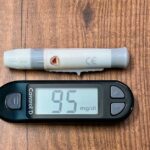
Hemoglobin is measured through a complete blood count, or CBC. This is a standard blood test. No special preparation is needed, though some doctors recommend fasting if other tests are done at the same time.
The test gives your hemoglobin level directly. It also reports hematocrit, which is the percentage of your blood made up of red blood cells. Hematocrit is usually about three times the hemoglobin level.
Doctors use hemoglobin levels to screen for anemia, monitor treatment, and check for underlying health conditions. It is one of the most common blood tests for good reason.
Can You Improve Your Hemoglobin Naturally?
If your hemoglobin is low due to iron deficiency, increasing iron intake can help. Iron from animal sources, called heme iron, is absorbed more easily than iron from plants. Red meat, poultry, and fish are good sources. Plant sources include lentils, beans, spinach, and fortified cereals.
Vitamin C helps your body absorb iron. Eating iron-rich foods with citrus fruits, bell peppers, or tomatoes can improve absorption. Calcium can interfere with iron absorption, so avoid taking calcium supplements at the same time as iron-rich meals.
If your hemoglobin is low due to B12 or folate deficiency, increasing those nutrients helps. B12 is found in animal products like meat, eggs, and dairy. Folate is found in leafy greens, beans, and fortified grains.
If your hemoglobin is low due to chronic disease or genetic conditions, dietary changes alone may not be enough. Medical treatment is often needed. Always check with a doctor before starting supplements.
When Should You See a Doctor About Hemoglobin?
You should see a doctor if you have persistent symptoms of anemia like fatigue, shortness of breath, or pale skin. You should also see a doctor if you have unexplained bruising, bleeding, or a family history of blood disorders.
Routine screening is recommended for certain groups. Pregnant women are tested for anemia. Older adults and people with chronic diseases are often tested regularly. If you have heavy menstrual periods, you may need annual checks.
A simple blood test can tell you your hemoglobin level. If it is abnormal, your doctor can help find the cause and recommend treatment. Do not guess. Do not self-treat with high-dose iron supplements unless a deficiency is confirmed.
Frequently Asked Questions
What is the main function of hemoglobin?
Hemoglobin carries oxygen from your lungs to every tissue in your body and helps transport carbon dioxide back to your lungs. It also helps maintain the pH balance of your blood.
What is a normal hemoglobin level by age?
Normal levels vary by age and sex. For adult men, normal is 13.5 to 17.5 g/dL. For adult women, normal is 12.0 to 15.5 g/dL. Children have ranges that change as they grow.
Can low hemoglobin be fixed with diet?
If low hemoglobin is caused by iron, B12, or folate deficiency, diet can help raise levels. If it is caused by chronic disease, genetic conditions, or blood loss, medical treatment is usually needed.
What happens if hemoglobin is too high?
High hemoglobin can increase your risk of blood clots, stroke, and heart attack. It may be caused by smoking, lung disease, living at high altitude, or a bone marrow disorder.
