
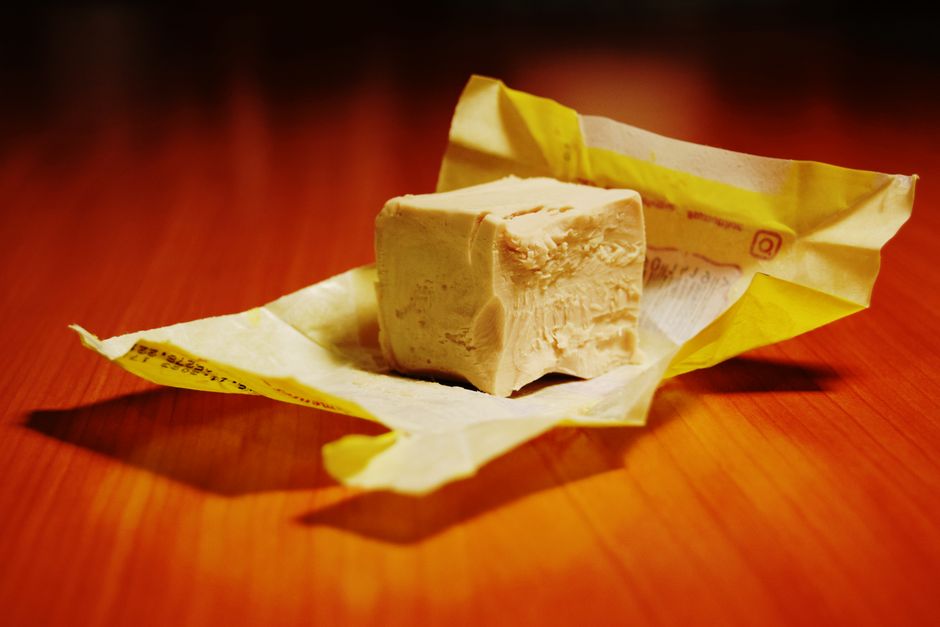
Yeast nutrient is a blend of nitrogen, vitamins, and minerals that supports yeast health during fermentation. It does not feed the human drinker and it does not change the alcohol itself. It feeds the yeast so they can finish the job. Brewers and winemakers add it to prevent stuck fermentations, off-flavors, and slow starts, especially in mead, wine, and high-sugar beers.
The short version: yeast are living organisms. They need more than sugar to multiply and convert that sugar into alcohol and carbon dioxide. When the must or wort is missing key building blocks, fermentation can stall or produce unwanted sulfur and solvent-like notes. Yeast nutrient fills those gaps.
What Does Yeast Nutrient Do In Fermentation?
Yeast nutrient supplies the raw materials yeast need to build proteins, cell membranes, and enzymes. The most important of these is nitrogen, which yeast use to synthesize the proteins involved in fermentation.
During the first phase of fermentation, yeast cells multiply. They need nitrogen, vitamins such as thiamine and biotin, and trace minerals including zinc and magnesium to do this efficiently. Grape must and barley wort usually contain enough of these. Honey, by contrast, is naturally low in nitrogen and minerals, which is why mead makers rely on nutrient additions far more than beer brewers do.
When nitrogen runs short, yeast slow their growth and can produce hydrogen sulfide — the rotten-egg smell familiar to anyone who has opened a troubled batch of mead or wine. Adequate nutrient reduces that risk. It also helps yeast tolerate the stress of high sugar concentrations and rising alcohol levels, both of which make fermentation harder as it progresses.
What nutrient does not do is fix a fermentation that is already stuck for other reasons, such as temperature extremes or a badly underpitched yeast population. It is a preventive tool, not a rescue remedy.
What Is Actually In Yeast Nutrient?
Commercial yeast nutrients vary widely in composition. The two main categories are diammonium phosphate (DAP) and complex organic nutrient blends.
DAP is a simple inorganic nitrogen source. It is inexpensive and effective during the early, vigorous phase of fermentation. The catch is that yeast cannot use DAP once alcohol levels rise, because the yeast cell membrane becomes less able to take up ammonium. Adding DAP late in fermentation is largely wasted and can leave residual nitrogen in the finished product.
Complex nutrients contain yeast hulls (dead yeast cells), autolyzed yeast extract, vitamins, and minerals. These provide nitrogen plus the micronutrients yeast need, and they remain usable later in fermentation than DAP alone. Many commercial products combine both approaches.
Some blends also include zinc, magnesium, and B vitamins. Zinc is involved in alcohol dehydrogenase, the enzyme family that produces ethanol. Magnesium supports enzyme function and membrane stability. Thiamine helps yeast cope with stress.
Which Fermentations Actually Need Yeast Nutrient?
Not every fermentation needs added nutrient. The need depends almost entirely on the sugar source.
- Mead: Honey is very low in nitrogen and minerals. Nutrient is widely considered essential for reliable mead fermentation, especially for higher-alcohol batches.
- Wine: Grape must usually has adequate nitrogen, but nitrogen-poor vintages exist. Winemakers often measure yeast assimilable nitrogen (YAN) before deciding whether to add nutrient.
- Beer: All-malt wort generally supplies enough nitrogen. High-gravity beers and beers with a large proportion of adjunct sugars such as corn or rice may benefit from added nutrient.
- Cider: Apple juice is moderate in nitrogen. Slow or sluggish fermentations are common, and some cider makers use nutrient as a precaution.
- Sugar washes and country wines: These are typically nitrogen-poor and usually need nutrient.
The pattern is consistent: the more refined or nutrient-poor the sugar source, the more likely nutrient is needed.
How Does Nitrogen Availability Affect Fermentation Speed and Flavor?
Nitrogen availability shapes both how fast fermentation runs and what flavor compounds yeast produce. Yeast assimilable nitrogen, or YAN, is the standard measure of nitrogen yeast can actually use.
When YAN is adequate, yeast grow steadily, fermentation proceeds at a predictable pace, and the risk of hydrogen sulfide is lower. When YAN is low, yeast struggle. Fermentation may start slowly, run sluggishly, or stop before all sugar is consumed. Stuck fermentations leave residual sugar, which can make a beverage unstable and prone to spoilage.
Flavor effects go beyond sulfur. Nitrogen levels influence the production of higher alcohols (fusel alcohols) and esters, the aromatic compounds that give fermented drinks much of their character. Both too little and too much nitrogen can shift that balance. Excess nitrogen, particularly from late DAP additions, has been associated with increased formation of some undesirable compounds. Nutrient is not a case where more is always better.
The evidence here is well established in winemaking research and in brewing science. Yeast nutrition is one of the better-studied aspects of fermentation, and the general relationship between nitrogen status and fermentation health is not in dispute.
Does Adding Too Much Yeast Nutrient Cause Problems?
Yes. Over-addition is a real risk, and it is less discussed than under-addition.
Excess nitrogen can leave residual nutrients in the finished beverage. In wine, residual nitrogen can support the growth of spoilage organisms and, in some cases, contribute to the formation of ethyl carbamate, a compound of concern in alcoholic beverages. This is one reason winemakers measure YAN rather than adding nutrient blindly.
Too much nutrient can also push yeast into overly rapid growth, which generates heat and can stress the culture. Stressed yeast produce more off-flavors, not fewer. The goal is to meet the yeast’s needs, not to flood the system.
Follow the manufacturer’s dosing instructions on the product label. Nutrient products are formulated with specific dosage ranges, and those ranges reflect the manufacturer’s testing. There is no single universal dose that applies across all fermentations because sugar content, yeast strain, and starting nitrogen levels all vary.
When Should Yeast Nutrient Be Added?
Timing matters as much as quantity. Most nutrient is added at the start of fermentation or during the early growth phase, when yeast are multiplying and their demand for nitrogen is highest.
For mead and wine, a common approach is to split the total nutrient addition across several points early in fermentation rather than adding it all at once. This staggered method keeps nitrogen available as the yeast population grows and avoids a single large dose. Some producers add a portion at the start and the rest over the first few days.
DAP specifically should not be added late in fermentation. Once alcohol is present in significant amounts, yeast cannot take up ammonium efficiently, so late DAP offers little benefit and adds residual nitrogen. Organic nutrient blends, which contain usable nitrogen in forms yeast can access later, are sometimes used for late additions when a fermentation shows signs of slowing.
Temperature and pitch rate matter too. A healthy, appropriately sized yeast pitch at a suitable temperature reduces the strain on the culture and lowers nutrient demand. Nutrient supports good practice; it does not replace it.
Is Yeast Nutrient the Same as Yeast Energizer?
No. The two are related but not identical, and the terms are sometimes used loosely.
Yeast nutrient generally refers to nitrogen sources, primarily DAP and organic nitrogen blends. Yeast energizer typically refers to a product that supplies vitamins, minerals, and yeast hulls without a large nitrogen component. Energizers support yeast health and membrane function; nutrients primarily supply nitrogen.
Some commercial products combine both functions under one label. If you are following a recipe that specifies one or the other, check the product’s composition rather than assuming the terms are interchangeable.
Frequently Asked Questions
Do you have to use yeast nutrient when making mead?
It is strongly recommended for most mead because honey is naturally low in nitrogen and minerals. Without added nutrient, mead fermentations are more likely to stall or produce hydrogen sulfide.
Can you add yeast nutrient after fermentation has started?
Yes, organic nutrient blends can be added early in fermentation if it slows. DAP should not be added late because yeast cannot use ammonium once alcohol levels are high.
Does yeast nutrient change the taste of beer or wine?
It can indirectly. Adequate nutrient reduces off-flavors like hydrogen sulfide and supports a clean fermentation, while excess nitrogen can shift the balance of aromatic compounds.
Is yeast nutrient necessary for beer?
Usually not for standard all-malt beers, because wort supplies enough nitrogen. High-gravity beers and those with large amounts of adjunct sugars may benefit from it.
