
Witch hazel is a shrubby plant native to North America, and its bark and leaves have been used on skin for centuries. The clear liquid most people buy at the drugstore is a distilled extract, usually mixed with alcohol and water. It is best known for two things: calming irritation and tightening the look of pores. Those effects are real, but they are modest, and the way witch hazel is processed changes how it behaves on your skin.
What Does Witch Hazel Do For Skin?
Witch hazel does three main things. It reduces redness and swelling, it removes some surface oil, and it temporarily tightens the appearance of pores.
The plant contains tannins, which are astringent compounds. Astringents cause proteins in the top layer of skin to contract slightly. That contraction is what produces the temporary firming and pore-tightening effect. It is cosmetic and short-lived. It does not shrink pores permanently, because pore size is largely determined by genetics, oil production, and skin elasticity.
Witch hazel also contains compounds with antioxidant and mild anti-inflammatory activity. Research on the plant’s chemistry has identified several of these, including gallic acid and other polyphenols. Whether those compounds reach living skin in meaningful amounts after you swipe on a drugstore product is a separate question, and the answer depends heavily on the formulation.
That last point matters more than most product labels admit. Distillation, alcohol content, and added ingredients all change what the bottle actually does.
How Is Drugstore Witch Hazel Different From the Plant?
Most commercial witch hazel is not a simple plant extract. It is a distillate, and distillation changes the chemistry.
Traditional witch hazel water is made by steaming the twigs and bark. The steam carries off volatile compounds, which are collected and condensed. This process captures some beneficial components but leaves many of the tannins behind, because tannins are not volatile. Some manufacturers add tannins back afterward. Others do not.
The bigger variable is alcohol. Many drugstore witch hazels contain a significant percentage of alcohol, often added during processing or as a preservative. Alcohol is an astringent too, so it contributes to the tightening effect. It can also strip oils from the skin and, in some people, cause dryness or irritation with repeated use.
If you have dry or sensitive skin, this is the part worth paying attention to. A high-alcohol witch hazel toner used twice a day may leave skin feeling tight and then reactive. Alcohol-free versions exist, and they tend to be gentler, though they also tend to have a shorter shelf life and may need preservatives of their own.
Is Witch Hazel Good for Acne and Oily Skin?
Witch hazel is commonly used as a toner for oily and acne-prone skin, and the reasoning is straightforward. It removes surface oil and has mild antibacterial and anti-inflammatory properties.
What is less clear is whether it meaningfully treats acne. Acne is driven by four factors: excess oil production, clogged pores, the bacterium Cutibacterium acnes, and inflammation. Witch hazel may touch the oil and inflammation pieces lightly. It does not address clogged pores the way salicylic acid does, and it does not kill acne bacteria the way benzoyl peroxide does.
So it can be a reasonable supporting step in a routine. It is not a substitute for proven acne treatments. If acne is persistent or leaving marks, the evidence supports ingredients like benzoyl peroxide, topical retinoids, and salicylic acid far more strongly than it supports witch hazel.
One practical note: some people find that alcohol-based witch hazel over-dries the skin, which can trigger more oil production as the skin tries to compensate. That is a common clinical observation rather than a firmly established mechanism, but it is worth watching for if your skin feels tight after use.





Can Witch Hazel Help With Redness and Irritation?
Witch hazel has a long history of use for soothing irritated skin, and there is some clinical support for it.
Several studies have examined witch hazel in the context of minor skin inflammation, including after sun exposure and in sensitive skin. Some research suggests it can reduce visible redness when applied topically. The effect is generally described as mild. It is not comparable to a prescription anti-inflammatory.
For everyday irritation — a bit of redness after shaving, mild reactivity from a new product, or general sensitivity — witch hazel may help calm things down. For conditions like rosacea, eczema, or contact dermatitis, it is not a treatment. Those need a proper diagnosis and often prescription care.
One caution: because witch hazel is astringent, it can sting broken or badly irritated skin. If skin is cracked, raw, or actively inflamed, applying an astringent is likely to make it feel worse, not better.
Does Witch Hazel Work for Bug Bites and Minor Skin Problems?
Witch hazel is a traditional remedy for insect bites, and it is one of the few folk uses with a plausible mechanism behind it.
Bug bites itch because of histamine and other inflammatory signals released in the skin. Witch hazel’s mild anti-inflammatory and astringent properties may reduce some of that surface irritation and the urge to scratch. It will not stop an allergic reaction or treat a bite that is becoming infected.
It has also been used traditionally for minor cuts, razor burn, and hemorrhoids. For hemorrhoids specifically, witch hazel is a common ingredient in over-the-counter pads and wipes. Some clinicians recommend these for temporary symptom relief, though the evidence base is not strong. It is widely used and generally well tolerated on intact skin.
What it will not do is treat an infection. If a bite or wound is spreading, hot, or oozing pus, that needs medical attention, not a toner.
What Are the Risks and Downsides?
Witch hazel is generally well tolerated, but it is not risk-free, and the risks are mostly about irritation rather than allergy.
- Dryness: Alcohol-based formulas can strip oils and leave skin tight, especially with frequent use.
- Irritation: Astringents can sting or redden sensitive skin, particularly if used on broken skin.
- Contact dermatitis: Some people develop an allergic reaction to witch hazel itself. This is uncommon but documented.
- Overuse: Using it several times a day tends to cause more problems than it solves.
If you have sensitive skin, patch test on your inner arm before putting it on your face. If your skin feels tight, stings, or flakes after use, that is a signal to stop or switch to an alcohol-free version.
There is also a bigger-picture point worth making. Witch hazel is often marketed as a gentle, natural alternative to harsher toners. Natural does not automatically mean gentler. A high-alcohol distillate can be more drying than a well-formulated synthetic toner.
How Should You Use It?
Witch hazel works best as a light, occasional step rather than a core treatment.
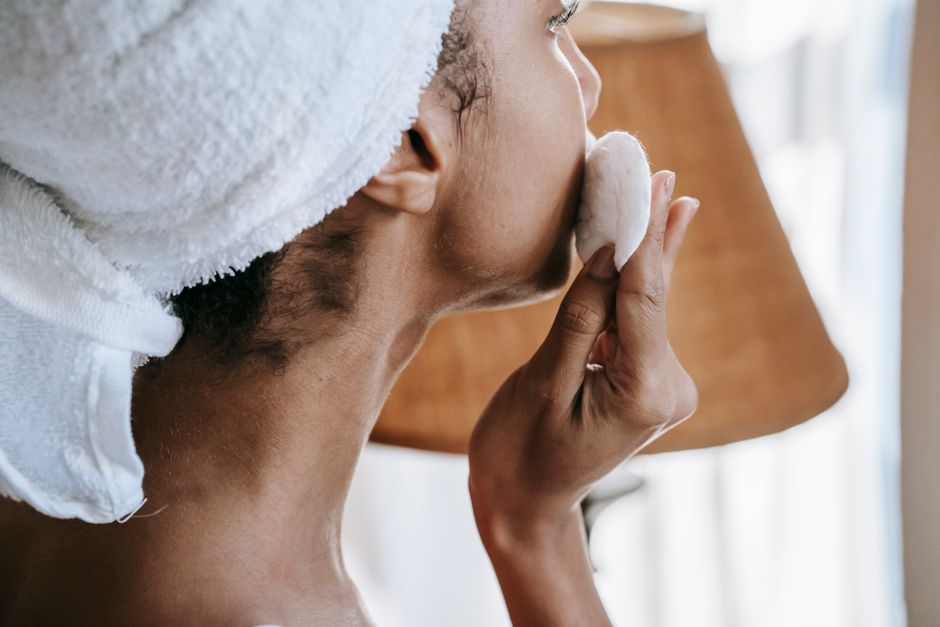
Most people apply it after cleansing, before moisturizer, using a cotton pad or their hands. Once a day is usually enough. If your skin tolerates it well and you like the feel, twice a day is not unreasonable, but watch for dryness.
Look at the label. If alcohol appears high on the ingredient list, expect a stronger tightening effect and a higher chance of dryness. Alcohol-free versions are a better starting point for dry or reactive skin.
Always follow with a moisturizer. Astringents remove some of the skin’s natural oils, and moisturizer helps offset that. Witch hazel is not a replacement for sunscreen, and it does nothing for sun protection.
If you are using prescription acne or skin treatments, check with a clinician or pharmacist before layering witch hazel on top. Combining multiple drying or irritating products can make skin worse, not better.
Frequently Asked Questions
Does witch hazel actually shrink your pores?
No, it does not shrink pores permanently. It temporarily tightens the appearance of pores by causing a mild contraction of proteins in the top layer of skin, and the effect fades within hours.
Is witch hazel safe to use every day?
For most people, once a day is fine, but alcohol-based formulas can dry out skin with frequent use. If your skin feels tight or irritated, cut back or switch to an alcohol-free version.
Can witch hazel help with acne?
It may reduce surface oil and mild redness, but it does not clear clogged pores or kill acne bacteria the way proven treatments do. It works best as a supporting step, not a primary acne treatment.
Is witch hazel good for sensitive skin?
It can be, but alcohol-based versions often cause dryness and stinging. Sensitive skin usually does better with an alcohol-free formula, and a patch test is worth doing first.
