
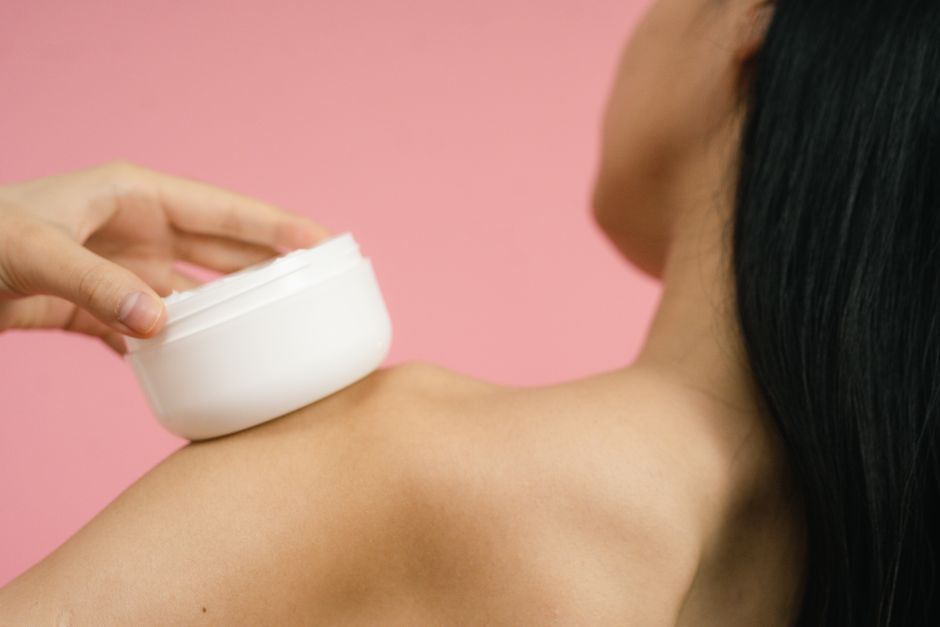
Whitening creams change your skin by reducing melanin production, which can lighten dark spots and uneven tone. Most work by blocking an enzyme called tyrosinase that your body needs to make pigment. The real question is whether the results justify the risks — and for many people, they may not.
How Do Whitening Creams Actually Work on Your Skin?
Whitening creams target melanin, the pigment that gives your skin its color. Melanin is produced by cells called melanocytes, and it protects your skin from UV damage. When those cells produce too much melanin in one spot, you get dark patches or uneven tone.
Most whitening creams use ingredients that block tyrosinase, an enzyme that starts the melanin-making process. Without tyrosinase working properly, your skin makes less pigment over time. This is not instant — it usually takes weeks or months to see visible changes.
Some products also speed up skin cell turnover. They push old, pigmented cells off the surface faster so newer, lighter cells replace them. This combination of blocking pigment production and speeding up shedding is how most whitening creams work.
What Does Research on Whitening Creams Show About Effectiveness?
Studies have found that certain ingredients do reduce hyperpigmentation. A 2021 review in the Journal of the American Academy of Dermatology confirmed that hydroquinone, kojic acid, and azelaic acid all show measurable results for melasma and post-inflammatory hyperpigmentation. But the same review noted that results vary widely between individuals.
Hydroquinone is considered the most effective ingredient available without a prescription in many countries. The FDA has classified it as generally safe at 2% concentrations for over-the-counter use. However, the European Union and Japan have banned hydroquinone from cosmetic products due to safety concerns. This disagreement among regulators tells you the evidence is not settled.
Natural alternatives like vitamin C, licorice extract, and niacinamide have weaker evidence. Some studies suggest they work, but the effects are usually modest. A 2019 study in Dermatologic Therapy found that kojic acid reduced melanin by about 30% over 12 weeks — noticeable but not dramatic.
What Are the Side Effects of Whitening Creams?
The most common side effects are irritation, redness, and peeling. This happens because many whitening ingredients are also exfoliants. When you apply them daily, your skin barrier can weaken.
Hydroquinone carries a more serious risk called ochronosis. This is a condition where the skin turns dark blue-black, and it is often permanent. Ochronosis is rare in the US but more common in countries where people use higher concentrations without medical supervision. The risk increases after months or years of continuous use.
Steroid-based whitening creams are a separate problem. Some products, especially those sold illegally online or in unregulated markets, contain potent corticosteroids. These can thin your skin, cause stretch marks, and disrupt your hormone system. The FDA has issued warnings about such products, but they remain widely available.
| Ingredient | Evidence Level | Common Side Effects |
|---|---|---|
| Hydroquinone 2% | Strong (many studies) | Redness, peeling, ochronosis with long use |
| Kojic Acid | Moderate (some studies) | Irritation, contact dermatitis |
| Azelaic Acid | Strong (well-studied) | Stinging, itching, dryness |
| Vitamin C | Moderate (mixed results) | Rare, mild irritation |
| Niacinamide | Moderate (growing evidence) | Rare, well-tolerated |
| Steroids (illegal products) | No evidence for safe whitening | Thin skin, hormone disruption, irreversible damage |





Do Whitening Creams Actually Lighten Your Natural Skin Tone?
This is where a lot of confusion lives. Most whitening creams are designed to treat hyperpigmentation — dark spots, melasma, or acne scars. They are not meant to change your overall skin color from brown to white. The products that claim to do that are usually making promises they cannot keep.
Your natural skin tone is determined by your genetics and the number of melanocytes you were born with. Whitening creams cannot reduce that number. They can only slow down the activity of those cells temporarily. Once you stop using the cream, your melanocytes go back to normal and your skin returns to its original color.
Some people do see overall lightening with prolonged use, but this is a side effect, not the intended result. The American Academy of Dermatology advises against using whitening products on large areas of healthy skin. They recommend using spot treatments only on the dark patches you want to address.
What Should You Look For in a Whitening Cream?
If you decide to try a whitening cream, focus on the ingredient list and the concentration. Products sold in the US are regulated by the FDA as cosmetics, not drugs. That means manufacturers do not have to prove their products work before selling them.
- Hydroquinone 2% — Only use for 3-4 months at a time. Take breaks to reduce ochronosis risk.
- Kojic Acid 1-2% — Less effective than hydroquinone but safer for long-term use.
- Azelaic Acid 10-20% — Good for sensitive skin and acne-related dark spots.
- Vitamin C (L-ascorbic acid) 10-20% — Works best as a preventive antioxidant, not a strong lightener.
- Niacinamide 2-5% — Very gentle, modest effects, good for maintenance.
Always check the packaging for a seal or certification from a regulatory body. Products labeled “made in the USA” are not automatically safe. Counterfeit and illegal whitening creams are a real problem, especially those sold online from overseas sellers.
Sunscreen is non-negotiable when using any whitening product. Without daily SPF 30 or higher, your skin will produce more melanin in response to UV exposure, which undoes the whitening effect. The CDC reports that only about 30% of US adults use sunscreen regularly. If you are not in that group, whitening creams will likely disappoint you.
Common Misconceptions About Whitening Creams
The biggest myth is that whitening creams are safe because they are sold over the counter. The FDA does not approve cosmetics before they go to market. A product can sit on a drugstore shelf and contain ingredients that are illegal in other countries.
Another misconception is that natural ingredients are always safer. Kojic acid comes from mushrooms, but it can still cause allergic reactions. Licorice extract sounds harmless but can irritate sensitive skin. Natural does not equal gentle.
Some people believe that higher concentrations work faster and better. This is true up to a point, but the risk of side effects rises sharply with concentration. A 4% hydroquinone cream is not twice as effective as 2% — it is more likely to cause ochronosis. More is not better with these ingredients.
There is also a widespread belief that whitening creams can permanently change your skin color. As discussed earlier, this is false. The effects are temporary and reversible. If you stop using the product, your skin will return to its baseline within weeks to months.
What to Avoid When Using Whitening Creams
Avoid products that do not list their ingredients clearly. If a label says “proprietary blend” or “natural whitening complex” without specifying what is inside, you have no way to know what you are putting on your skin. These products are often the ones that contain hidden steroids or mercury.
Mercury is still found in some whitening creams sold in the US, despite being illegal. The FDA has found mercury in products imported from Asia and Latin America. Mercury poisoning can cause kidney damage and neurological problems. If a cream promises fast, dramatic whitening, be suspicious.
Avoid using multiple whitening products at the same time. Layering a hydroquinone cream with a kojic acid serum and a vitamin C lotion will not give you faster results. It will irritate your skin and damage your barrier. Stick to one active ingredient at a time.
Do not use whitening creams on broken or sunburned skin. The ingredients will absorb faster and cause more irritation. Wait until your skin is fully healed before applying any lightening product.
Frequently Asked Questions
Can whitening cream permanently change your skin color?
No. The effects are temporary and your skin returns to its natural color once you stop using the product.
What is the safest ingredient for skin lightening?
Niacinamide and azelaic acid have the best safety profiles with moderate evidence of effectiveness.
How long does it take for whitening cream to work?
Most products take 4 to 12 weeks of consistent use before you see visible changes in dark spots.
Is hydroquinone safe to use long-term?
No. Hydroquinone should only be used for 3 to 4 months at a time due to the risk of ochronosis.
