
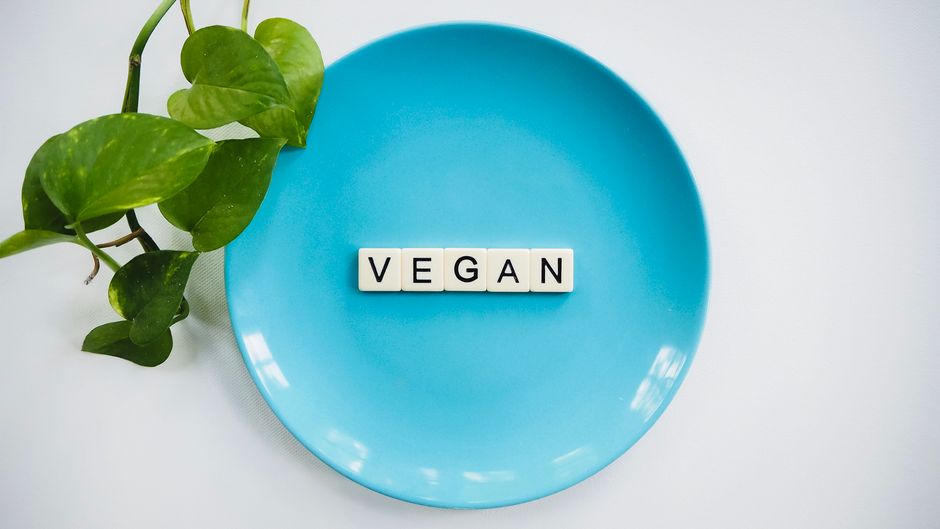
A vegan food label is a claim about ingredients, not a guarantee about how a food was produced or how healthy it is. In the US, “vegan” has no single legal definition enforced by the FDA the way “organic” does. The term generally means the product contains no animal-derived ingredients, but what counts as animal-derived can vary by company and certification program.
That gap between what shoppers assume and what labels actually promise causes real confusion. A product can be labeled vegan and still contain palm oil, added sugar, or synthetic additives. It can also carry a vegan claim without independent verification. Understanding what the label covers, what it leaves out, and where vegan nutrition needs attention helps you read these products accurately.
What Does Vegan Mean In Food Labels And Nutrients?
The word vegan on a food package means the manufacturer asserts the product contains no ingredients from animals. That includes meat, poultry, fish, dairy, eggs, honey, gelatin, and ingredients derived from animal sources such as certain food dyes, emulsifiers, and processing aids.
Unlike “organic,” which the USDA regulates through a formal certification program, “vegan” is not a legally defined term in US food labeling. The FDA does not have a regulatory definition for it. The USDA does not certify it. A company can print “vegan” on a label based on its own judgment of its supply chain.
Third-party certification programs exist to fill that gap. Organizations such as the Vegan Society and Certified Vegan verify products against their own standards. These programs add a layer of independent review, but each defines vegan slightly differently. Some allow trace amounts of animal-derived processing aids. Some address cross-contamination. Others do not.
Here is what the label does not tell you. It says nothing about whether the food is nutritious, whether it was produced without animal testing, or whether it contains genetically modified ingredients. Vegan describes ingredients, not ethics, health, or environmental impact.
What Ingredients Make A Food Not Vegan?
Most people know to check for milk, eggs, and meat. The harder ingredients to spot are the ones with names that do not obviously point to animals.
- Gelatin — made from animal collagen, common in gummy candies, marshmallows, and some yogurts
- Casein and whey — milk proteins used in protein powders and some baked goods
- Carmine — a red food coloring derived from insects, used in some candies and beverages
- Shellac — a resin from insects, used as a glaze on some candies and fruit
- L-cysteine — a dough conditioner that can be derived from feathers or human hair, found in some commercial breads
- Honey and beeswax — animal products by most vegan standards
- Certain mono- and diglycerides — emulsifiers that may be animal- or plant-derived, with the source rarely stated
Some ingredients fall into genuine gray areas. Refined sugar is a well-known example. Some refining processes use bone char, a charcoal made from animal bones, to whiten and filter sugar. Whether that makes refined sugar “not vegan” is debated even within the vegan community, because no animal material remains in the final product. Some certification programs exclude it. Others do not.
This is where the label’s limits become clear. A vegan claim reflects the manufacturer’s standard, not a universal one.
Is A Vegan Label The Same As A Certified Vegan Label?
No. A vegan label is a claim the company makes about itself. A certified vegan label means an outside organization reviewed the product against published standards.
That difference matters for several reasons. A self-declared claim may reflect a careful supply chain audit or a quick check of ingredient lists. You have no way to know which. Certification programs typically require documentation, ingredient review, and in some cases periodic re-verification.
Certification still is not the same as government regulation. Each certifying body sets its own rules. A product certified by one program might not qualify under another. Cross-contamination standards vary. So do rules about shared equipment and facility practices.
Neither a self-declared nor a certified vegan label addresses allergens from cross-contact. If you have a serious food allergy, the allergen statement on the package remains the relevant information, not the vegan claim.


Are Vegan Foods Automatically Healthier?
No. A vegan label describes ingredients, not nutritional quality. Plenty of vegan foods are highly processed, high in added sugar, or low in protein and key micronutrients.
Some vegan products are nutritionally strong. Others are essentially candy or snack foods with a plant-based claim. The label tells you what is absent, not what is present.
Vegan diets, when well planned, can meet nutritional needs across the lifespan. Major nutrition bodies have taken this position for years. The Academy of Nutrition and Dietetics has stated that appropriately planned vegetarian and vegan diets are nutritionally adequate and may provide health benefits in the prevention and treatment of certain diseases. That statement is about well-planned diets, not about any individual packaged product carrying a vegan label.
The distinction is worth sitting with. A vegan diet and a vegan product are different things. One is a dietary pattern that can be nutritionally complete. The other is a single item on a shelf that may or may not contribute to a balanced intake.
Which Nutrients Need Attention On A Vegan Diet?
Some nutrients are harder to get from plant foods alone, or are present in forms the body absorbs less efficiently. This is well documented in nutrition research and applies to vegan diets specifically.
Vitamin B12
Vitamin B12 occurs naturally almost exclusively in animal foods. Plant foods do not contain reliable amounts unless they are fortified. Fortified foods and supplements are the standard sources for people eating vegan diets. B12 deficiency can develop slowly because the body stores the vitamin, which is one reason it can go unnoticed for a long time.
Iron
Plant foods contain non-heme iron, which the body absorbs less efficiently than the heme iron in meat. Pairing iron-rich foods with vitamin C improves absorption. Legumes, tofu, spinach, and fortified cereals are common plant sources.
Zinc
Zinc from plant sources is also absorbed less efficiently. Soaking and sprouting beans and grains can help. Nuts, seeds, and legumes are the main sources.
Calcium and Vitamin D
Calcium is available from fortified plant milks, tofu made with calcium sulfate, leafy greens, and some seeds. Vitamin D is limited in food generally and depends heavily on sun exposure and fortification.
Omega-3 Fatty Acids
Plant sources such as flaxseed, chia, and walnuts provide ALA, a type of omega-3. Conversion of ALA to the longer-chain forms the body uses is limited. Some people choose algae-based supplements as a direct source.
Iodine
Iodine content in plant foods varies widely depending on soil and growing conditions. This is a nutrient that vegan diets do not automatically cover.
No clinical guidelines set universal doses for these nutrients in vegan populations. Individual needs depend on age, health status, pregnancy, and other factors. Anyone with specific concerns should discuss them with a clinician rather than relying on label claims or general advice.
How Should You Read A Vegan Label In Practice?
Start with the ingredient list, not the front of the package. The front label is marketing. The ingredient list is the substance of the claim.
Check for the certifying organization’s mark if independent verification matters to you. Understand that different programs apply different standards, so the mark tells you a review happened, not which rules applied.
Then read the nutrition facts panel on its own terms. A vegan product can be high in sodium, saturated fat from coconut or palm oil, or added sugar. None of those conflict with a vegan claim.
For people with food allergies, the allergen statement matters more than the vegan label. Vegan does not mean allergen-free, and shared equipment is common in food manufacturing.
The most useful habit is separating three questions that get bundled together. Is it vegan? Is it nutritious? Is it verified? A single label rarely answers all three.
Frequently Asked Questions
Does vegan mean dairy-free?
Yes, a vegan claim means the product contains no dairy ingredients. It does not guarantee the product is free from dairy cross-contact during manufacturing.
Is vegan food labeling regulated in the US?
No, the FDA does not have a formal regulatory definition for the term vegan. Companies set their own standards, and third-party certification programs provide independent verification.
Can a product be labeled vegan and still contain animal-derived ingredients?
It should not, but the term has no legal enforcement standard, so accuracy depends on the manufacturer. Some ingredients, like certain emulsifiers and refined sugar, have debated animal sources that different certification programs treat differently.
Do you need supplements on a vegan diet?
Vitamin B12 is the nutrient most reliably requiring a fortified food or supplement source on a vegan diet. Other nutrients such as iron, zinc, calcium, and omega-3s may need attention depending on what you eat.
