
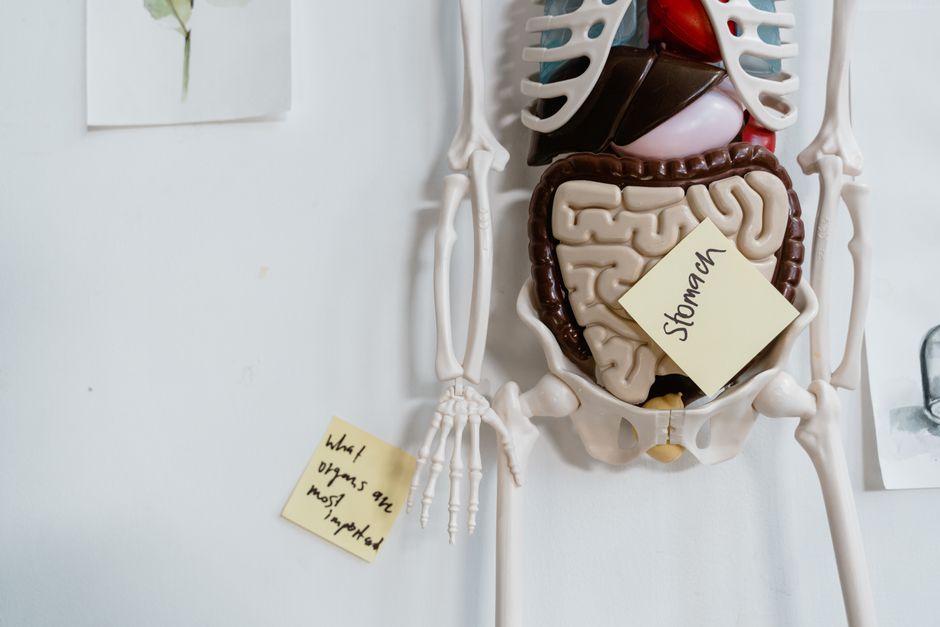
The stomach flu hits fast. One moment you feel fine, and the next you are hunched over, nauseated, and sure that something is very wrong. The medical name for it is viral gastroenteritis, and it is an infection of the intestines, not the stomach, and not the flu. The “flu” part is a nickname that stuck, but influenza is a respiratory illness. What you are dealing with is a gut infection that makes your digestive system shut down temporarily.
For most people, the stomach flu feels like a sudden wave of nausea followed by vomiting, watery diarrhea, and cramping that comes in waves. You may also get a low-grade fever, chills, and a deep sense of exhaustion. The whole experience usually lasts 24 to 72 hours, but the fatigue can linger for a few days after the vomiting and diarrhea stop.
What Does The Stomach Flu Feel Like Hour by Hour?
Viral gastroenteritis does not creep up on you slowly. The incubation period is typically 12 to 48 hours after exposure, and then symptoms appear abruptly. You might feel a strange unease in your stomach first, like mild indigestion that does not go away. Within a few hours, that unease turns into full nausea.
Vomiting often starts without much warning. You may vomit several times in the first few hours, and each episode leaves you weak and sweating. The cramping feels like a dull, twisting pain in your lower abdomen. It comes and goes. Between cramps, you may feel almost normal for a few minutes, which is misleading because the next wave is usually right behind.
Diarrhea typically follows the vomiting or happens at the same time. It is watery and frequent. Many people describe the sensation as your body trying to flush everything out at once. You may feel an urgent need to use the bathroom with very little warning.
Fever is common but not universal. If you do run a fever, it is usually low-grade, meaning under 101°F. Higher fevers are less typical for viral gastroenteritis and can point to a bacterial infection or another cause.
How Is Stomach Flu Different From Food Poisoning?
These two conditions feel nearly identical, and you cannot reliably tell them apart by symptoms alone. Both cause nausea, vomiting, diarrhea, and cramps. The difference is in the timing and the source.
Food poisoning comes from eating food or water contaminated with bacteria, toxins, or parasites. Symptoms often start much faster than viral gastroenteritis, sometimes within 1 to 6 hours of eating the contaminated food. The illness is usually shorter, often resolving within 24 hours.
The stomach flu comes from a virus, most commonly norovirus or rotavirus. You catch it from an infected person, a contaminated surface, or contaminated food prepared by someone who was sick. Symptoms take longer to appear because the virus needs time to replicate in your intestines.
If you ate a meal and got sick within a few hours, food poisoning is more likely. If you were around someone who was sick a day or two ago and now you are sick, viral gastroenteritis is the more probable culprit.
Why Does It Feel So Much Worse Than a Regular Upset Stomach?
A regular upset stomach from eating something too rich or spicy involves mild irritation. The stomach flu is an active infection. The virus invades the cells lining your small intestine and causes inflammation. Those cells normally absorb water and nutrients. When they are infected, they cannot do their job, and water stays in the intestinal tract, which produces diarrhea.
The vomiting is partly a defense mechanism. Your body detects the infection and tries to expel it. But the virus also triggers nausea through the nervous system, which is why you can feel profoundly nauseated even after your stomach is completely empty.
The exhaustion is real and physical. You are losing fluids rapidly, your electrolyte balance is shifting, and your body is fighting an infection. That combination produces a level of fatigue that makes normal tiredness feel mild by comparison. Do not be surprised if even sitting up feels like effort.
How Long Does It Last and When Should You See a Doctor?
For healthy adults, viral gastroenteritis typically resolves on its own within 1 to 3 days. The most intense symptoms, especially vomiting, usually stop within the first 24 hours. Diarrhea may persist for a few days longer. Some people feel weak and tired for up to a week afterward as the intestinal lining heals.
You should see a doctor if you cannot keep any fluids down for more than 24 hours, if you have signs of severe dehydration, or if symptoms last longer than 3 days. Signs of dehydration include dark urine, urinating very little or not at all, dizziness when standing, dry mouth, and extreme weakness.
Seek emergency care if you see blood in your vomit or stool, if you have severe abdominal pain that does not ease between cramps, or if you develop a fever above 102°F. These symptoms can indicate a more serious condition that requires medical evaluation.
Certain people need medical attention sooner. Infants, young children, pregnant women, older adults, and anyone with a weakened immune system or chronic illness like kidney disease or diabetes should contact a doctor earlier rather than waiting. Dehydration can develop quickly in these groups.
What Actually Helps When You Have the Stomach Flu?
The stomach flu is caused by a virus, so antibiotics do not help. Antiviral medications for gastroenteritis do not exist. The treatment is supportive, meaning you manage symptoms and prevent dehydration while your immune system clears the infection.
Fluid replacement is the most important step. Sip small amounts of clear liquids frequently. Water is fine, but oral rehydration solutions like Pedialyte are better because they replace the electrolytes you are losing. Sports drinks are acceptable for mild cases, though they contain more sugar than ideal. Avoid milk, caffeine, alcohol, and sugary juices, which can worsen diarrhea.
Do not force yourself to eat. Your digestive system needs rest. When you start feeling hungry, which usually happens after vomiting stops, begin with bland foods like crackers, toast, rice, bananas, or applesauce. The BRAT diet is a common approach, but you do not need to restrict yourself to those foods only. Simple, starchy, low-fat foods are generally well tolerated.
Over-the-counter anti-diarrheal medications like loperamide (Imodium) are controversial. They can help reduce diarrhea, but some experts advise against them because they may keep the virus in your system longer. Do not give anti-diarrheal medications to children. If you are considering them for yourself, check with a pharmacist or doctor first. Anti-nausea medications are available by prescription and can be very helpful if vomiting is severe.
Rest is not optional. Your body is fighting an infection and repairing damaged intestinal tissue. Lying down, sleeping, and avoiding physical activity will speed your recovery. You should stay home from work or school until you have had no vomiting or diarrhea for at least 24 hours, because you remain contagious during that time.
How Do You Keep From Spreading It to Your Family?
Norovirus, the most common cause of viral gastroenteritis in adults, is extremely contagious. It takes only a tiny number of virus particles to infect someone else. The virus survives on surfaces for days and is resistant to many common cleaning products.
Wash your hands with soap and water frequently, especially after using the bathroom and before touching food. Hand sanitizer is not reliably effective against norovirus. Soap and water are the only dependable option.
Clean contaminated surfaces with a bleach-based disinfectant. Diluted bleach, about 5 to 25 tablespoons of bleach per gallon of water, is effective against norovirus. Standard household cleaners may not kill the virus.
Do not prepare food for others while you are sick or for at least 2 days after your symptoms stop. Wash clothing and linens that may be contaminated in hot water. Keep the person who is sick in a separate bathroom if possible, and disinfect that bathroom daily.
Frequently Asked Questions
Can you have the stomach flu without vomiting?
Yes. Some people, especially adults, experience diarrhea and cramps without vomiting. Nausea is common, but vomiting does not happen in every case.
Is the stomach flu contagious before symptoms start?
Yes. You can spread the virus before you feel sick, usually starting about a day before symptoms appear. You remain contagious for up to 2 weeks after recovery, though you are most contagious while actively sick.
What is the fastest way to recover from the stomach flu?
There is no cure, so the fastest recovery comes from resting, sipping fluids frequently, and eating bland foods only when you feel ready. Pushing yourself to eat or resume activity too soon can prolong symptoms.
Does the stomach flu require antibiotics?
No. Antibiotics treat bacterial infections, not viruses. Taking antibiotics for viral gastroenteritis will not help and can cause side effects. Antibiotics are only used if a doctor confirms a bacterial cause, which is uncommon.
