
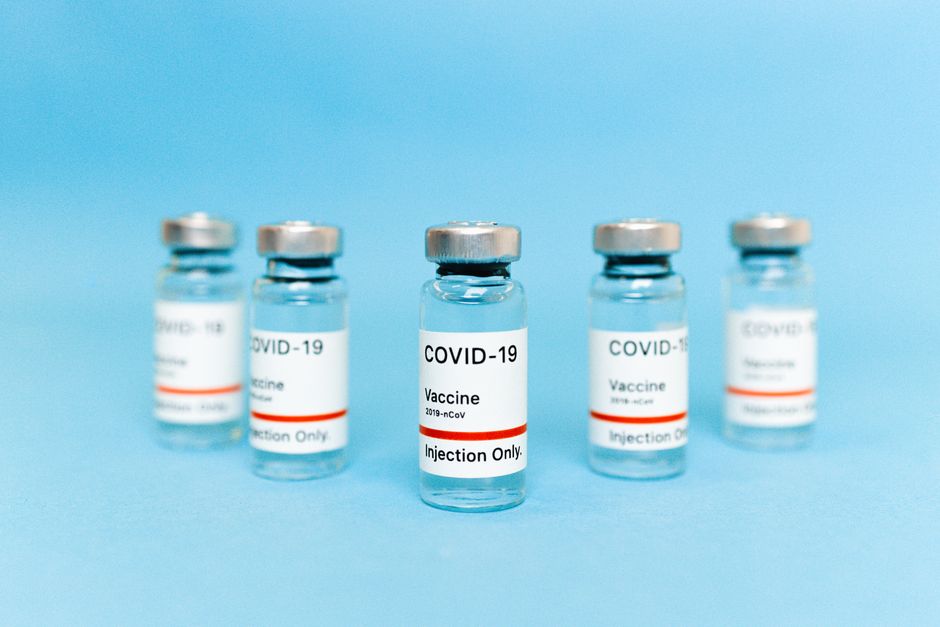
The COVID-19 vaccines authorized for use contain a small piece of genetic material called messenger RNA (mRNA) or a harmless piece of a different virus, along with fats, salts, and sugars that protect the genetic material and help it work in your body. None of the vaccines contain live COVID-19 virus, and they cannot give you the disease. The specific ingredients vary by manufacturer, but the core purpose is the same: to teach your immune system to recognize the spike protein of the virus that causes COVID-19.
What exactly is in the mRNA vaccines (Pfizer and Moderna)?
The mRNA vaccines work by delivering a single instruction to your cells. That instruction tells your cells to build a harmless piece of the spike protein, which sits on the surface of the virus. Your immune system then learns to recognize that protein and builds defenses against it.
The ingredients are straightforward. Both Pfizer and Moderna vaccines contain mRNA, lipids (fats), salts, and sugar. The lipids form a protective bubble around the mRNA. This bubble keeps the mRNA from breaking down before it enters your cells. The salts help maintain a normal pH balance, similar to what your body naturally maintains. The sugar, typically sucrose, acts as a stabilizer during storage.
Neither vaccine contains preservatives, antibiotics, or egg products. They also do not contain any human cells, fetal tissue, or animal products derived from living animals.
What is in the viral vector vaccine (Johnson & Johnson)?
The Johnson & Johnson vaccine uses a different technology. Instead of mRNA, it uses a harmless, modified version of a different virus called an adenovirus. This adenovirus is not the virus that causes COVID-19. It acts as a delivery vehicle, carrying the genetic instructions for the spike protein into your cells.
The ingredients include the adenovirus vector, stabilizers like salts and sugars, and a small amount of alcohol. The adenovirus cannot replicate in your body, meaning it cannot multiply or cause an infection. It simply delivers the instructions and then breaks down.
This vaccine also contains no preservatives, no egg products, and no human cells.
Are there any ingredients that cause allergic reactions?
Some people have experienced allergic reactions to the vaccines, but the overall risk is very low. The most common allergen identified is polyethylene glycol (PEG), which is a component of the lipid bubble in the mRNA vaccines. PEG is used in many everyday products, including some laxatives and cosmetics, so prior exposure is common.
The Johnson & Johnson vaccine uses a different stabilizer called polysorbate. People who are allergic to PEG may cross-react with polysorbate, though this is uncommon. If you have a history of severe allergic reactions to any vaccine ingredient, you should discuss this with your doctor before receiving a dose.
Anaphylaxis, a severe and potentially life-threatening allergic reaction, is rare. When it occurs, it typically happens within minutes of receiving the vaccine, which is why observation periods of 15 to 30 minutes are standard after vaccination.





Do the vaccines contain metals, microchips, or other myths?
No. The vaccines do not contain microchips, tracking devices, or any form of electronics. They also do not contain metals like aluminum or mercury. This is a persistent myth that has been repeatedly debunked by public health agencies and independent fact-checkers.
The vaccines contain only the ingredients listed on the manufacturer’s fact sheets. These are publicly available documents. No ingredient is hidden, and no proprietary “secret” component exists. The mRNA and lipids are the active ingredients; the salts and sugars are standard pharmaceutical excipients used to stabilize the product.
There is also no evidence that the vaccines alter your DNA. The mRNA from Pfizer and Moderna never enters the nucleus of your cells, where your DNA is stored. It is read by cellular machinery in the cytoplasm and then degraded. The adenovirus vector in the Johnson & Johnson vaccine also does not integrate into your DNA.
How long do the ingredients stay in your body?
The mRNA and the lipid bubble are broken down quickly. Studies have shown that the mRNA is degraded within a few days after injection. The lipids are metabolized and cleared through normal bodily processes. The spike protein your cells produce is also temporary and is broken down after a short period.
The salts and sugars are compounds your body handles routinely. They are present in tiny amounts and are processed like any other dietary or physiological component. Nothing from the vaccine remains in your body permanently.
Your immune system’s memory, however, is long-lasting. The antibodies and T-cells your body produces in response to the vaccine are what provide protection. This immune memory is the intended and lasting effect of vaccination.
Why do the ingredients matter for storage and handling?
The ingredients directly determine how the vaccines must be stored. The mRNA vaccines are fragile and need ultra-cold storage. Pfizer’s original formulation required storage at about -80 degrees Celsius. Moderna’s required about -20 degrees Celsius. These cold chain requirements are driven by the instability of mRNA and the lipid bubble.
Once thawed, the vaccines can be kept at refrigerator temperatures for a limited time. The exact time varies by manufacturer and formulation. The Johnson & Johnson vaccine, by contrast, is stable at standard refrigerator temperatures for several months. This difference is due to the viral vector being more stable than mRNA.
These storage requirements are not a safety concern. They are a logistical consideration. The vaccines remain safe and effective as long as they are handled according to the manufacturer’s approved protocols.
Are the ingredients the same in every country?
No. Different manufacturers produce vaccines under different brand names in different regions. The main types are mRNA vaccines, viral vector vaccines, and protein subunit vaccines. The protein subunit vaccines, such as those used in some countries, contain pieces of the spike protein directly rather than genetic instructions.
Each vaccine has its own ingredient list. While the core principles are similar, the specific stabilizers, salts, and delivery systems can differ. If you want to know exactly what is in a specific vaccine, check the manufacturer’s patient information leaflet or fact sheet for that specific product.
The safety standards are consistent. All authorized vaccines undergo the same rigorous evaluation for safety and efficacy before they are approved for public use.
Frequently Asked Questions
Can the COVID-19 vaccine give me the virus?
No. None of the authorized vaccines contain live COVID-19 virus, so they cannot cause the disease. They only contain instructions or harmless protein pieces that teach your immune system to respond.
Do the vaccines contain fetal tissue?
No. The vaccines do not contain fetal tissue or fetal cells. Some vaccines were tested using cell lines derived from fetal cells, but no fetal material is an ingredient in any COVID-19 vaccine.
Are the vaccine ingredients safe for pregnant women?
Clinical guidelines generally recommend COVID-19 vaccination for pregnant women because the risk of severe disease outweighs the risks of vaccination. The ingredients are the same as for non-pregnant adults, but you should discuss your specific situation with your obstetrician.
How do I find the full ingredient list for my vaccine?
The full ingredient list is published on the manufacturer’s official fact sheet, which is available from your vaccination provider or the regulatory agency in your country. The list is also printed on the package insert that comes with each vial.
