
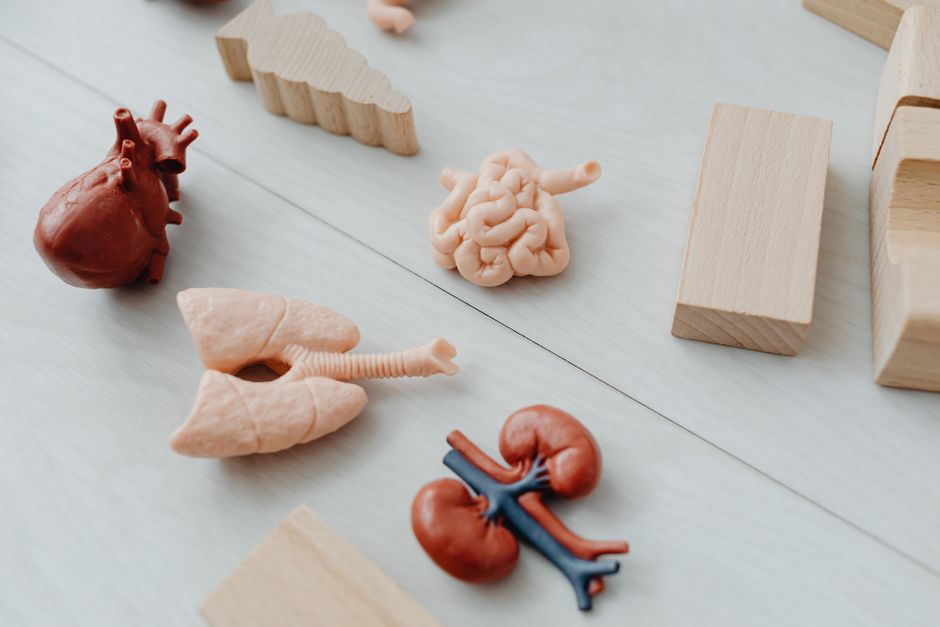
The circulatory system delivers oxygen and nutrients to every cell in your body and carries away waste products like carbon dioxide. It is made up of the heart, blood vessels, and blood working together as one continuous loop. Without it, your tissues would starve and toxins would build up within minutes.
What are the main functions of the circulatory system?
The circulatory system has three core jobs. First, it transports oxygen from your lungs to your tissues and carbon dioxide back to your lungs to be exhaled. Second, it carries nutrients from your digestive system to your cells and picks up waste for the kidneys and liver to process. Third, it moves hormones, immune cells, and heat around your body to regulate temperature and fight infection.
You can think of it as your body’s highway system. Every substance that needs to travel from one place to another uses this network. The heart is the pump, the blood vessels are the roads, and the blood is the cargo.
What parts make up the circulatory system?
The heart is a muscular organ about the size of your fist. It has four chambers: two upper atria and two lower ventricles. Valves between these chambers keep blood flowing in one direction. The right side pumps blood to the lungs, and the left side pumps blood to the rest of the body.
Blood vessels come in three types. Arteries carry oxygen-rich blood away from the heart. They have thick, elastic walls to handle high pressure. Veins carry oxygen-poor blood back to the heart. They have thinner walls and one-way valves to prevent backward flow. Capillaries are tiny, thin-walled vessels where the actual exchange of oxygen, nutrients, and waste happens between blood and tissue.
Blood itself is a tissue made of plasma, red blood cells, white blood cells, and platelets. Plasma is mostly water and carries nutrients, hormones, and waste. Red blood cells contain hemoglobin, which binds oxygen. White blood cells fight infection. Platelets help form clots to stop bleeding.
How does blood circulate through the body?
Blood travels in two loops. The pulmonary circuit carries deoxygenated blood from the right side of the heart to the lungs, where it picks up oxygen and releases carbon dioxide. The oxygen-rich blood then returns to the left side of the heart. The systemic circuit pumps that oxygenated blood from the left ventricle out through the aorta to the rest of the body. After delivering oxygen, the now deoxygenated blood returns through veins to the right atrium, and the cycle repeats.
This double circulation system means blood passes through the heart twice for every full circuit. It allows high pressure in the systemic circuit to push blood to your toes and brain while keeping lung pressure lower and gentler on delicate air sacs.





What does the circulatory system regulate besides oxygen?
Beyond oxygen and carbon dioxide, the circulatory system manages several critical processes. It carries waste products like urea from the liver to the kidneys for filtering. It transports hormones from glands to target organs—insulin from the pancreas to muscles, for example, or adrenaline from the adrenal glands during stress.
The system also helps control body temperature. When you are hot, blood vessels near the skin widen (vasodilation) to release heat. When you are cold, they narrow (vasoconstriction) to keep heat near your core. Blood itself acts as a buffer, helping maintain a stable pH around 7.35–7.45. And every second, your immune cells ride the bloodstream to sites of injury or infection.
What are common circulatory system problems?
Hypertension, or high blood pressure, is the most common condition. Blood pressure consistently above 130/80 mm Hg forces the heart to work harder and damages artery walls. Many people have no symptoms until complications arise.
Atherosclerosis occurs when fatty plaques build up inside arteries, narrowing them and reducing blood flow. This can lead to chest pain (angina), heart attack, or stroke. Plaque can also rupture, causing a clot to form suddenly.
Heart failure does not mean the heart stops. It means the heart cannot pump enough blood to meet the body’s needs. People may feel short of breath and retain fluid. Coronary artery disease, heart attacks, and hypertension are common causes.
Arrhythmias are abnormal heart rhythms. Some are harmless; others, like atrial fibrillation, raise the risk of stroke. Peripheral artery disease narrows arteries in the legs, causing pain while walking. Anemia, though a blood disorder, reduces oxygen delivery because there are too few red blood cells or too little hemoglobin.
How can you keep your circulatory system healthy?
Lifestyle habits matter more than any supplement for circulatory health. Regular aerobic exercise—brisk walking, cycling, swimming—strengthens the heart and helps blood vessels stay elastic. Aim for at least 150 minutes of moderate activity per week.
A diet low in saturated fat, trans fat, and sodium supports healthy blood pressure and cholesterol levels. Focus on vegetables, fruits, whole grains, lean protein, and healthy fats like those in olive oil and nuts. The DASH diet (Dietary Approaches to Stop Hypertension) has strong evidence for lowering blood pressure.
Do not smoke. Smoking damages the lining of blood vessels, promotes plaque buildup, and raises the risk of clots. If you drink alcohol, keep it moderate—no more than one drink per day for women and two for men.
Managing stress and getting enough sleep also help. Chronic stress can raise blood pressure and inflammation. Poor sleep is linked to higher rates of hypertension and heart disease. Check your blood pressure regularly, and see your doctor for routine screenings of cholesterol and blood glucose.
Frequently Asked Questions
What is the difference between the circulatory system and the cardiovascular system?
The terms are often used interchangeably, but the cardiovascular system specifically refers to the heart and blood vessels. The circulatory system includes those plus the blood and the lymphatic system, which helps remove excess fluid and transport immune cells.
How long does it take for blood to circulate through the body?
On average, a full circuit takes about one minute at rest. This includes passing through the heart, lungs, and all tissues before returning to the starting point.
Can the circulatory system repair itself?
Yes, to a degree. Small blood vessels can grow new branches (angiogenesis), and the inner lining of arteries can heal after mild injury. However, advanced damage from atherosclerosis or heart attacks often requires medical treatment.
What happens if your circulatory system stops working?
Without circulation, cells stop receiving oxygen and begin to die within minutes. Brain damage can occur after four to six minutes without blood flow. This is why cardiac arrest requires immediate CPR and defibrillation.
