
The cell membrane in a prokaryotic cell is the thin barrier that surrounds the cell and controls what goes in and out. It holds the cell’s contents together, keeps harmful substances out, and lets nutrients in. It also plays a central role in how the cell makes energy and senses its surroundings.
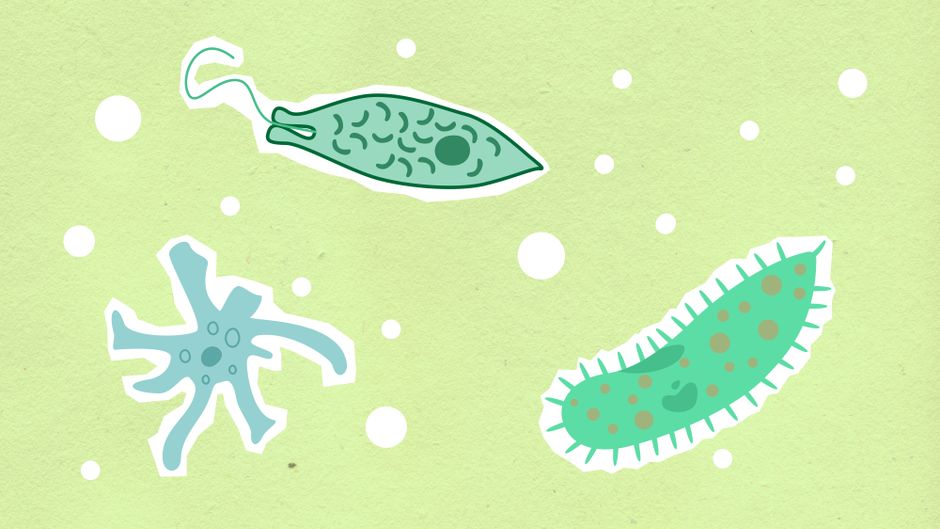
Prokaryotes are a huge group of single-celled organisms. They include bacteria and a separate group called archaea. Neither has a nucleus or other membrane-bound compartments inside. That single outer membrane, plus everything packed into the cell, is the whole operation. So the membrane is not just a wrapper. It is the cell’s gatekeeper, its skin, and part of its power system all at once.
What Does the Cell Membrane Do in a Prokaryotic Cell?
Its main job is selective transport. The membrane decides what passes through. Small molecules like water, oxygen, and carbon dioxide cross fairly easily. Nutrients like sugars and ions need help getting in, usually through dedicated proteins embedded in the membrane. Waste products need help getting out.
Beyond transport, the membrane does several other jobs at the same time:
- It separates the inside of the cell from the outside environment.
- It maintains the internal conditions the cell needs to survive, even when the outside changes.
- It hosts proteins that generate energy, since prokaryotes have no mitochondria.
- It carries sensor proteins that detect chemicals, light, or physical pressure outside the cell.
- It anchors structures used for movement, like flagella.
- It helps the cell divide and copy its DNA.
That last point surprises many people. In bacteria, the membrane is directly involved in separating duplicated DNA during cell division. It is not a passive sac. It is an active participant in some of the cell’s most basic tasks.
How Is the Prokaryotic Cell Membrane Structured?
The core structure is a phospholipid bilayer. Each phospholipid has a water-loving head and two water-fearing tails. In water, these molecules line up in two layers, with the tails pointing inward and the heads facing outward. This arrangement forms a stable sheet that seals the cell.
Embedded in and attached to this sheet are many proteins. Some span the whole membrane. Others sit on one side. These proteins do the actual work of moving substances, sensing signals, and making energy.
One structural difference is worth knowing because it affects medicine. Bacterial membranes and archaeal membranes are chemically different from each other, and both differ from the membranes of plants and animals. Bacterial membranes use fatty acids linked to glycerol by a type of chemical bond called an ester bond. Archaeal membranes use a different lipid chemistry, with ether bonds. Some archaeal membranes form a single layer instead of a double layer.
The human cell membrane is built from a bilayer like the bacterial one, but the specific lipids and proteins differ. That difference is part of why some antibiotics can target bacterial membranes without directly disrupting human cells in the same way.
How Does the Membrane Control What Enters and Leaves?
Most small, uncharged molecules slip through the bilayer on their own. Water moves across in response to concentration differences, a process called osmosis. Oxygen and carbon dioxide diffuse freely. But larger or charged molecules cannot pass without help.
For those, the cell uses transport proteins. There are two broad categories. Channel and carrier proteins move substances down their concentration gradient, from high to low, without spending energy. This is called passive transport. Active transport proteins move substances against their gradient, from low to high, and this requires energy.
Bacteria commonly use active transport to pull in nutrients even when the outside concentration is low. They also use it to pump out waste and toxic substances, including some antibiotics. That pumping is one reason antibiotic resistance can develop.
Some bacteria also use a system called group translocation. In this process, a sugar is chemically changed as it enters the cell. This keeps the internal concentration of the original sugar low, so more keeps flowing in. It is an efficient trick that combines transport with a chemical step.



Why Does the Membrane Matter for Energy Production?
Prokaryotes have no mitochondria. So the proteins that generate usable energy sit in the cell membrane itself. This is a fundamental difference from human cells, where those proteins are packed inside mitochondria.
The process works by pumping charged particles, usually protons, across the membrane to one side. This creates a difference in charge and concentration, often called a proton gradient or electrochemical gradient. The protons then flow back through a protein complex that uses that flow to build ATP, the cell’s energy currency. This is called the electron transport chain, and it is how many prokaryotes make most of their ATP.
Some bacteria take this further. They fold their membrane into complex internal structures to increase surface area, similar in purpose to how mitochondria have folded inner membranes. The more membrane surface, the more energy-generating proteins can fit.
This is a non-obvious point. People often think of the cell membrane as only a barrier. In prokaryotes, it is also the main energy factory.
What Other Roles Does the Membrane Play?
The membrane is involved in sensing the environment. Proteins in the membrane detect changes in nutrients, pH, temperature, and light. Some bacteria use membrane proteins to sense light and move toward or away from it. Others sense chemical gradients and swim toward food or away from toxins.
It also anchors the flagellum, the tail-like structure some bacteria use to swim. The flagellum’s motor is embedded in the membrane and uses the proton gradient to spin.
During cell division, the membrane helps separate the two copies of DNA. It grows inward and pinches off, dividing the cell into two. In some species, membrane proteins help organize where that division happens.
The membrane also carries molecules that interact with the outside world. These include proteins that help bacteria attach to surfaces, form biofilms, or interact with host cells during infection. Some of these surface molecules are what the human immune system recognizes.
How Does the Prokaryotic Membrane Differ from a Human Cell Membrane?
Both are phospholipid bilayers with embedded proteins. The differences are in the details, and those details matter.
| Feature | Prokaryotic (bacterial) | Human cell |
|---|---|---|
| Basic structure | Phospholipid bilayer | Phospholipid bilayer |
| Energy production | Proteins in the cell membrane | Proteins in mitochondria |
| Internal compartments | None membrane-bound | Many, including nucleus and mitochondria |
| Sterols in membrane | Usually none, though some bacteria use similar molecules | Cholesterol is a key component |
| Outer layers | Often a cell wall outside the membrane | No cell wall |
One practical consequence: many antibiotics target structures found in bacteria but not human cells. Some attack the cell wall, which human cells do not have. Others target bacterial ribosomes, which differ slightly from human ones. A smaller number interfere with the bacterial membrane itself. Because human membranes are chemically different, these drugs can sometimes disrupt bacterial membranes at concentrations that affect human cells less. Even so, membrane-targeting antibiotics can affect human cells to some degree, which is one reason they are used carefully.
Does the Membrane Alone Protect the Cell?
No. In most bacteria, the membrane is not the outermost layer. Outside it sits a cell wall, a rigid structure that gives the cell its shape and protects it from bursting. The wall is made of a mesh-like material called peptidoglycan.
Some bacteria have an additional outer membrane beyond the cell wall. This is called a Gram-negative arrangement, named after how these cells respond to a common lab stain. That outer membrane adds another barrier and is part of why some antibiotics struggle to reach their targets in these bacteria.
Archaea generally lack peptidoglycan. Their cell walls, when present, are made of different materials. This is one of several reasons archaea are classified separately from bacteria.
So the full picture is layered: membrane, then often a wall, sometimes another membrane outside that. Each layer adds protection and each layer is a potential target for drugs or the immune system.
Why Does This Matter for Human Health?
Understanding the prokaryotic membrane helps explain how antibiotics work and why resistance happens. Many antibiotics must cross the membrane to reach their target inside the cell. If a bacterium changes its membrane proteins or pumps the drug back out, the antibiotic stops working.
Membrane proteins are also what the immune system often sees first. Antibodies can bind to proteins on the bacterial surface, marking the cell for destruction. Some vaccines work by training the immune system to recognize these surface molecules.
The membrane is also where bacteria sense and respond to their environment, including the human body. It helps them detect where they are, find nutrients, and decide when to express genes that cause disease. That makes it a focus of ongoing research, though not all of this work has led to treatments yet.
Frequently Asked Questions
What is the main function of the cell membrane in a prokaryotic cell?
Its main function is to control what enters and leaves the cell through selective transport. It also generates energy, senses the environment, and helps the cell divide.
Do prokaryotic cells have a cell membrane?
Yes, all prokaryotic cells have a cell membrane. It is a phospholipid bilayer that surrounds the cell and sits just inside the cell wall in most bacteria.
How does the prokaryotic cell membrane make energy without mitochondria?
Energy-generating proteins sit directly in the cell membrane instead of inside mitochondria. They pump protons across the membrane and use the resulting gradient to build ATP.
Is the prokaryotic cell membrane the same as the human cell membrane?
Both are phospholipid bilayers, but the specific lipids and proteins differ. Human cells also have cholesterol in their membranes and use mitochondria for energy, while bacteria do not.
