
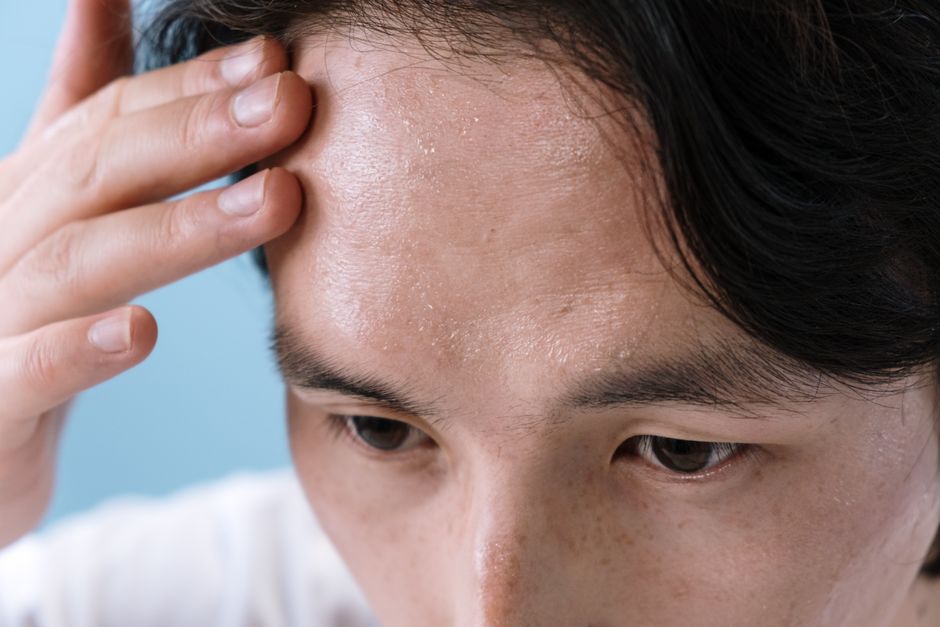
Sweating when you are sick is usually a sign that your body is raising its internal temperature to fight off an infection. It is a normal part of the fever response, not a separate illness. When your fever breaks, your body releases the extra heat through sweat, which is why you often feel drenched right before you start to feel better.
Why Does the Body Sweat During an Illness?
Your body has a built-in thermostat in the brain called the hypothalamus. When you get an infection, your immune system releases chemicals that tell this thermostat to raise your set point. Your body then works to reach that new, higher temperature. This is a fever.
Once the immune system gains the upper hand, or when you take a fever-reducing medication like acetaminophen or ibuprofen, the thermostat resets back to normal. Now your body is hotter than the set point, so it needs to cool down. Sweating is the primary way it does this. The sweat evaporates off your skin and carries heat away with it.
This process is a normal and expected part of fighting off many common viral and bacterial infections. The fever itself is not the enemy. It is a sign that your immune system is actively working.
Does Sweating Mean the Infection Is Ending?
Not always. Sweating often happens when a fever breaks, which can signal the start of recovery. But it can also happen during the course of an illness without meaning the infection is gone.
Fever patterns vary. Some infections cause fevers that come and go in waves. You might sweat as one fever wave ends, only to have another fever spike a few hours later. This is common with certain viral illnesses and some bacterial infections.
For many common illnesses, a single episode of heavy sweating followed by a normal temperature is a good sign. But if you are sweating and then the fever returns, the infection is still active. The sweating alone does not tell you whether you are cured. You need to watch your temperature over time.
What Does the Type of Sweat Tell You?
Night sweats are a specific pattern that deserves attention. Waking up drenched in sweat, having to change your clothes or sheets, is different from sweating during a daytime fever.
Night sweats can happen with any infection that causes fevers. But when they occur without a clear reason, or when they happen repeatedly over weeks, they warrant a medical evaluation. Persistent night sweats can be associated with certain infections, hormonal changes, or other underlying conditions.
If you are sick with a known illness like the flu or a cold, night sweats are not unusual. They are simply your fever breaking while you sleep. The key difference is whether they resolve as your illness resolves.



Is It Dangerous to Sweat Too Much When Sick?
The sweating itself is not dangerous. The risk comes from what sweating does to your body’s fluid balance. When you sweat heavily, you lose water and electrolytes. If you do not replace them, you can become dehydrated.
Dehydration makes every aspect of illness worse. It can cause dizziness, confusion, and low blood pressure. In severe cases, it requires medical treatment. Older adults and young children are at higher risk of dehydration from fever and sweating.
Watch for signs of dehydration. These include dark urine, urinating less often than normal, dry mouth, and feeling dizzy when you stand up. If you notice these signs, you need to increase your fluid intake. If you cannot keep fluids down, or if you feel confused, seek medical care.
You do not need to force yourself to drink a specific amount. Drink when you are thirsty. Water, clear broths, and oral rehydration solutions are all reasonable choices. There is no evidence that you need special sports drinks unless you have been sweating heavily for an extended period.
Should You Sweat It Out?
The idea of “sweating out” a sickness is a common folk belief. It is also not supported by medical evidence. You cannot flush a virus out through your pores. The infection lives in your cells, not in your sweat.
Deliberately raising your body temperature by piling on blankets, sitting in a hot bath, or exercising while sick does not help you recover faster. It can actually be harmful. It raises your core temperature further, which increases fluid loss and can make you feel worse.
Your body already knows how to manage a fever. Your job is to support it, not to push it harder. Dress in light layers, keep your room at a comfortable temperature, and let your body regulate itself. If a fever is making you miserable, medication can help bring it down. But bundling up to force a sweat is not a treatment.
When Should You See a Doctor About Sweating and Fever?
Most fevers from common viral infections resolve on their own within a few days. You generally do not need to see a doctor for a mild fever in an otherwise healthy adult. But certain situations warrant medical attention.
Seek medical care if you have a fever that lasts more than three days, a fever higher than 103°F (39.4°C) in an adult, or a fever accompanied by a severe headache, stiff neck, chest pain, difficulty breathing, or a rash. These can be signs of a more serious infection.
For infants under three months, any fever of 100.4°F (38°C) or higher requires immediate medical attention. This is not a situation to wait out at home. For children, seek care if a fever lasts more than a few days, if the child is unusually lethargic, or if the child is not drinking enough fluids.
If you have an underlying health condition such as heart disease, diabetes, or a weakened immune system, check with your doctor earlier. Fever and sweating put extra stress on the body, and your usual thresholds for seeking care may be different.
What Does Sweating When Sick Mean for Recovery?
Sweating is a sign that your body’s temperature regulation is working. It means your fever is breaking and your body is returning to its normal set point. For most common illnesses, this is a step toward recovery.
But recovery depends on the underlying infection, not on the sweat. You can sweat and still be sick. You can also recover from an illness with minimal sweating. The absence of sweating does not mean the illness is more severe, and the presence of heavy sweating does not mean you are cured.
Focus on the bigger picture. Rest, drink fluids, and monitor your temperature. If your fever stays down for 24 hours without medication, you are likely on the mend. Sweating is simply part of that process, not the whole story.
Frequently Asked Questions
Is sweating a good sign when you are sick?
Yes, sweating is usually a good sign because it means your fever is breaking. It is a normal body process that helps cool you down as your temperature returns to normal.
Why do I sweat so much at night when I am sick?
Night sweats happen because your fever often breaks while you sleep. Your body releases the excess heat through sweat, which can soak your clothes and sheets.
Should I force myself to sweat when I have a fever?
No. Deliberately raising your body temperature with extra blankets or heat does not help you recover and can increase fluid loss. Let your body regulate its temperature naturally.
Can sweating make my sickness worse?
Sweating itself is not harmful, but losing too much fluid can lead to dehydration. Drink water or clear fluids when you are sweating heavily to replace what you lose.
