
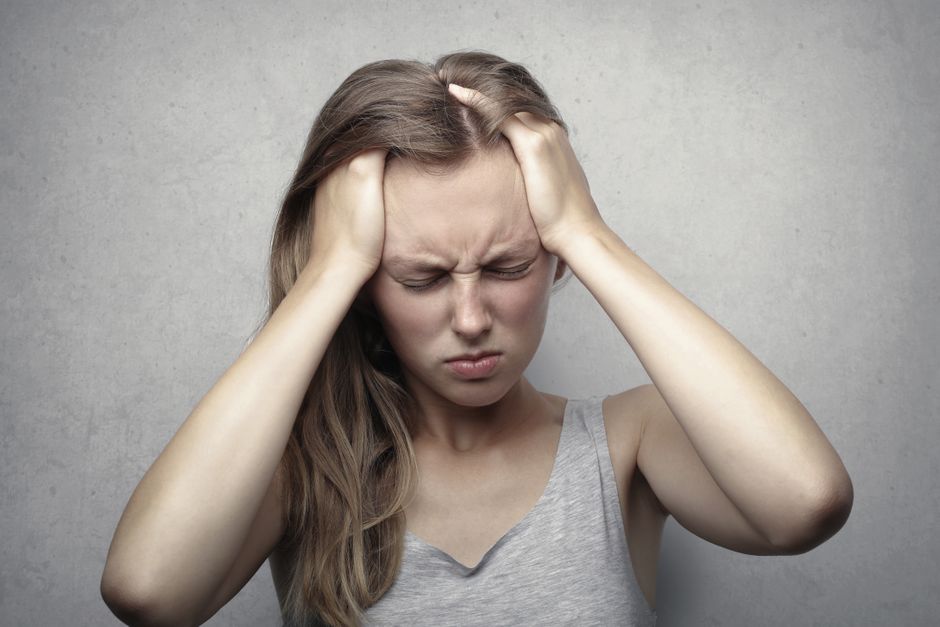
Stress shows up on your face in ways you can see and ways you can’t. Over time, chronic stress can change how skin heals, how it holds moisture, and how it ages. It can also deepen expression lines, worsen acne and rosacea, and affect the muscles and fluid balance around your eyes and jaw.
Most of this happens through well-understood biology. Stress hormones like cortisol shift blood flow, inflammation, and repair processes throughout the body, and skin is not exempt. The face is simply where those shifts become visible first.
What Does Stress Do To Your Face Over Time?
Chronic stress gradually changes skin function and facial appearance through several connected pathways. The most established involve cortisol, inflammation, and reduced skin barrier function.
Cortisol is the body’s primary stress hormone. When stress becomes ongoing rather than short-lived, cortisol levels stay elevated. Skin cells carry receptors for cortisol, which means the hormone can act directly on the skin rather than only through indirect effects.
Research published in the journal Inflammation & Allergy – Drug Targets described how psychological stress can disrupt the skin’s protective barrier. A weakened barrier loses water more easily, which leaves skin feeling tight, rough, and more reactive to products and weather. This is one reason people under sustained stress often notice their skin becoming more sensitive.
Stress also affects wound healing. A frequently cited study in Archives of Surgery found that psychological stress slowed healing in a standardized wound model. The effect was measurable, not just subjective. For the face, this matters after acne lesions, cosmetic procedures, or minor injuries.
None of this means stress alone causes a specific skin disease. It means stress is a real physiological factor that can worsen existing conditions and change how skin behaves day to day.
How Does Stress Cause Breakouts and Skin Inflammation?
Stress increases inflammatory signaling throughout the body, and the skin responds to that signal. For people prone to acne or rosacea, this can translate into more frequent flares.
The mechanism involves more than one route. Cortisol can increase sebum production, the oily substance that contributes to acne. Stress also activates immune cells in the skin that release inflammatory chemicals. Together these changes can make existing acne worse and can make skin look redder and feel warmer.
There is an important distinction here. Stress is not the root cause of acne. Acne involves blocked pores, bacteria, and hormonal factors, and it has well-established treatments. Stress is better understood as a trigger that can aggravate a condition already in progress.
Rosacea follows a similar pattern. Many people with rosacea report that emotional stress precedes flares. The evidence supports stress as a recognized trigger rather than a cause. Avoiding known triggers, including stress where possible, is part of standard rosacea management.
Why Do Stress and Poor Sleep Show Up Around the Eyes?
Under-eye bags and dark circles are among the most visible signs of a rough stretch. The causes are mostly structural and fluid-related rather than a sign of skin “damage.”
The skin under the eyes is thin, and the tissue beneath it holds fluid easily. Stress and poor sleep can affect fluid balance and circulation, which makes puffiness more noticeable. Dark circles have several possible causes, including visible blood vessels under thin skin, shadowing from the eye socket’s shape, and pigment differences. Sleep deprivation tends to make them look more pronounced, but it is rarely the whole story.
Repeated squinting and facial tension also play a role. When you are tired or stressed, you tend to squint and hold tension in the face. Over years, repeated muscle movement contributes to expression lines around the eyes and forehead.
This is where a common belief needs correcting. Expression lines are not caused by stress in any direct sense. They come from repeated muscle contraction over decades, plus the natural decline in collagen and elastin that happens with age. Stress may add to them indirectly through squinting, sleep loss, and skin changes, but it is not the primary driver.




Does Stress Speed Up Skin Aging?
Some evidence suggests chronic stress is associated with faster skin aging, though the research is not strong enough to put a number on it.
Collagen and elastin give skin its firmness and bounce. Their production declines naturally with age. Whether stress accelerates that decline in humans is an active research question. Some studies have found associations between chronic stress and signs of accelerated cellular aging, but these findings come largely from observational research and cannot establish that stress directly causes facial aging.
What is better established is the indirect route. Chronic stress is linked to poorer sleep, which is when skin repair processes are most active. It is linked to habits that affect skin, including smoking, alcohol use, and skipped skincare. And it is linked to behaviors like resting your face in your hands or picking at skin.
The honest position: stress likely contributes to how skin ages, but the size of that effect in any one person is not something current research can predict.
Can Stress Cause Facial Pain or Jaw Tightness?
Yes. Stress-related muscle tension in the face and jaw is common and well documented.
The muscles of the jaw, forehead, and around the eyes respond to stress the same way other muscles do, by tightening. Clenching and grinding the teeth, often during sleep, is associated with stress and can produce jaw soreness, headaches, and wear on the teeth. Some clinicians refer to this clenching as bruxism.
Facial tension can also feed a cycle. Tight muscles feel uncomfortable, which increases awareness of stress, which increases tension. Breaking that cycle often involves both stress management and, where clenching is significant, a dental evaluation.
Facial pain has many possible causes, and stress-related muscle tension is only one of them. Pain that is persistent, one-sided, or accompanied by other symptoms deserves medical assessment rather than being attributed to stress by default.
What Actually Helps Stress-Related Skin and Facial Changes?
The most reliable approach addresses both the stress itself and the skin directly. Neither alone tends to be enough for people dealing with ongoing flares.
For the stress side, the evidence base is strongest for structured approaches. Cognitive behavioral therapy has solid evidence for reducing stress and anxiety. Regular physical activity, adequate sleep, and relaxation practices such as slow breathing have reasonable support for lowering stress responses, though effects vary between people.
For the skin side, the basics matter more than any single product:
- Use a gentle cleanser and a moisturizer that supports the skin barrier.
- Apply broad-spectrum sunscreen daily. Sun exposure is a far better-established driver of skin aging than stress.
- Treat active acne or rosacea with proven options rather than waiting for stress to pass.
- Avoid picking at skin, which prolongs healing and can leave marks.
There is a real limit worth stating plainly. No skincare product has been shown in clinical trials to reverse stress-related skin changes. Products marketed for “stress repair” are making claims that current evidence does not support. What is supported is protecting the skin barrier, treating conditions that are treatable, and reducing the stress load itself.
For persistent skin problems, a dermatologist can distinguish between a condition that needs treatment and changes that will settle once stress eases. That distinction is worth getting right rather than guessing.
Frequently Asked Questions
Can stress make your face look older?
Stress can contribute to tired-looking skin through poor sleep, skin barrier changes, and worsened skin conditions. The evidence that it directly accelerates facial aging is limited and mostly observational.
Does stress cause acne?
Stress does not cause acne, but it can worsen existing acne by increasing inflammation and sebum production. Acne has other established causes and effective treatments.
Why does my face look different when I am stressed?
Stress can increase facial muscle tension, change fluid balance, and make skin look duller or more reactive. These changes are usually temporary and ease when stress does.
Can stress cause dark circles under the eyes?
Stress and poor sleep can make dark circles and puffiness more noticeable. Dark circles have several causes, including thin skin and visible blood vessels, so stress is rarely the only factor.
