
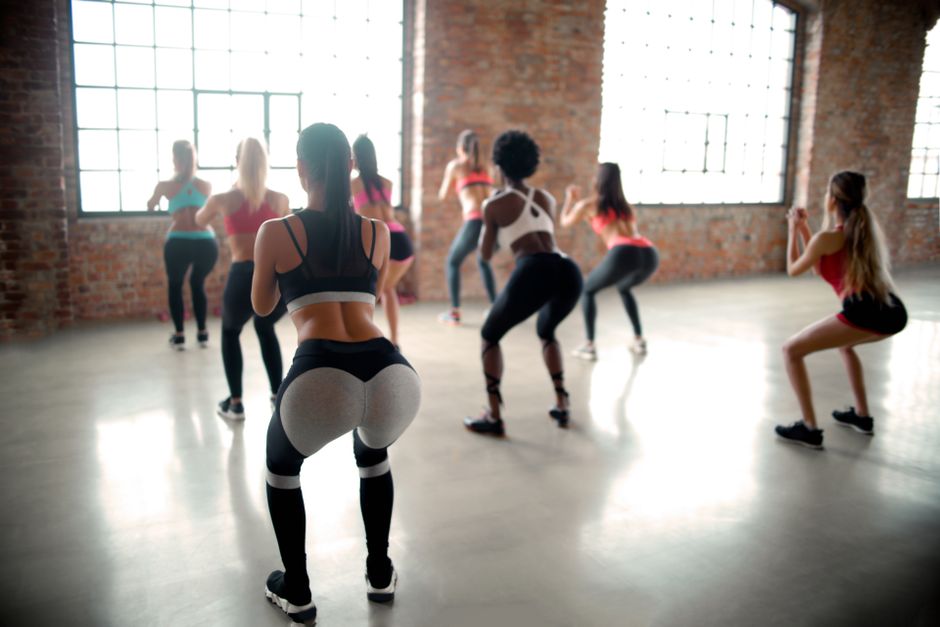
Squat proof clothing is fabric that stays opaque when you bend, stretch, or squat. It does not become see-through, so your underwear or skin does not show through. The term comes from activewear, especially leggings, but it applies to any tight clothing. Testing it is simple: put the garment on, bend into a squat, and check for transparency under bright light.
Why Do Leggings Become See-Through in the First Place?
Fabric becomes see-through when the threads stretch apart. When you squat, the fabric over your hips and thighs stretches significantly. The weave opens up, and light passes through the gaps between the threads.
This is not a manufacturing flaw in every case. It is physics. All woven and knitted fabrics have small spaces between their fibers. When the fabric stretches, those spaces get bigger. The question is whether the fabric was designed to handle that stretch without becoming transparent.
Some fabrics are engineered to resist this. They use tighter weaves, thicker yarns, or specific blends of synthetic fibers like nylon and spandex. Others are made for fashion, not function. A thin cotton-spandex blend may look fine standing up but fail completely in a squat.
What Does Squat Proof Mean And How To Test It — The Core Question
The phrase “squat proof” describes a garment that passes a simple practical test: you can squat in it without exposing anything. The test itself has a few reliable methods, and you can do all of them at home.
The most common method is the mirror test. Put the leggings on, stand with your back to a mirror, and squat down as deep as you would in a workout. Look back over your shoulder. Check the fabric over your glutes and upper thighs. If you can see your skin tone or underwear pattern through the fabric, the leggings are not squat proof.
For a more reliable result, do the test in bright light. Natural daylight is best. Artificial lighting in fitting rooms is often dim and flattering, which hides transparency. Stand near a window or use a bright overhead light. The brighter the light, the easier it is to spot see-through fabric.
You should also test with the color you actually plan to wear underneath. Dark underwear shows through light-colored leggings. Bright or patterned underwear shows through most fabrics more easily than nude tones. If you want the most honest test, wear what you would normally wear under the leggings.
There is also the hand test. Put your hand between the fabric and your leg while squatting. If you can clearly see the outline of your fingers through the fabric, the material is too thin to be reliable during movement.
Which Fabrics Are Most Likely to Be Squat Proof?
Fabric composition matters more than brand name. Some materials perform consistently well; others fail regularly.
Nylon and spandex blends are the most reliable for squat proof claims. Nylon has a tight weave and holds color well. Spandex, also called elastane or Lycra, provides the stretch. A blend with at least 20% spandex usually holds up better in a squat than one with 10% or less.
Polyester blends can also work well, but quality varies more. Some polyester fabrics are brushed or textured in ways that hide transparency. Others are thin and shiny, which makes transparency worse.
Cotton blends are the least reliable. Cotton absorbs moisture, stretches out over time, and does not bounce back like synthetic fibers. A cotton-spandex legging may pass the squat test when new but fail after a few washes.
There is also a difference between brushed and unbrushed fabric. Brushed fabrics have a soft, slightly fuzzy surface that scatters light. This makes them less likely to appear see-through even when stretched. Unbrushed, smooth fabrics show transparency more easily.





How to Test Squat Proof Claims Before You Buy
You cannot always test leggings in the store. Many people buy online. But there are ways to evaluate a fabric before it arrives.
Check the fabric weight listed in the product description. Heavier fabrics, measured in grams per square meter (GSM), are generally more opaque. Leggings around 200 GSM or higher tend to be more squat proof. Lighter fabrics under 150 GSM are riskier.
Look at the opacity in the product photos. If the model’s skin tone is visible through the fabric in the marketing images, the garment will not be squat proof in person. This sounds obvious, but many brands use photos that hide transparency with dark backgrounds or strategic poses.
Read reviews with the word “squat” in them. Search the review section for terms like “see-through,” “squat test,” or “transparent.” These reviews are usually honest and specific about where the fabric fails.
Check the care instructions. Fabrics that require hand washing or delicate cycles may lose their opacity faster if you machine wash them. High heat in dryers breaks down spandex fibers over time, which reduces stretch recovery and increases transparency.
Why Squat Proof Claims Are Not Regulated
No government agency or industry body defines what “squat proof” means. It is a marketing term, not a certified standard. A brand can label any pair of leggings as squat proof without testing them.
This matters because the term is used inconsistently. Some brands use it to describe fabric tested under specific conditions. Others use it loosely to suggest quality. There is no legal consequence for labeling a thin pair of leggings as squat proof.
Some brands have responded to this by creating their own internal tests. They stretch fabric samples to a certain percentage and measure light transmission. But these tests are not standardized, and the results are not shared publicly. You cannot compare one brand’s squat proof rating to another’s.
The practical takeaway is that squat proof is a starting point, not a guarantee. It tells you the brand is aware of the problem. It does not tell you whether the specific pair you are buying will pass the test in your bathroom mirror.
How Washing and Wear Change Squat Proof Fabric
Leggings that pass the squat test when new may fail later. This is normal and expected.
Spandex fibers degrade with heat, friction, and time. Each wash and dry cycle puts stress on these fibers. Over months of wear, the fabric loses its ability to snap back to its original shape. When the fabric cannot recover its shape, it stays stretched out in certain areas, especially the hips and thighs. Stretched-out fabric is thinner and more transparent.
To extend the life of squat proof leggings, wash them in cold water and avoid the dryer. Air drying is gentler on elastic fibers. Turning leggings inside out before washing reduces friction on the outer surface. Avoid fabric softeners, which can coat synthetic fibers and reduce their stretch recovery over time.
Even with perfect care, leggings are not permanent. A pair worn several times a week for workouts may lose their squat proof quality within a year. This is not a defect. It is the natural lifespan of stretch fabric.
What to Do When Leggings Fail the Squat Test
If a pair of leggings fails the test, you have a few options. You can return them if the store allows it. Many activewear brands accept returns on worn items if the garment is defective. Transparency during a squat is often considered a defect, even if the label does not say squat proof.
You can also repurpose the leggings. They may work fine for upper-body workouts, casual wear, or lounging. They just are not suitable for deep squats or bending movements. Wearing a longer top or jacket can also make them workable in public.
For leggings that are borderline, layering can help. Wearing seamless underwear in a color close to your skin tone reduces the visible contrast if the fabric does stretch thin. This does not fix the problem, but it reduces the embarrassment factor.
Frequently Asked Questions
Can you test if leggings are squat proof without wearing them?
You can hold the fabric up to bright light and stretch it with your hands to get a rough idea. But the real test requires wearing them, because the fabric stretches differently over the curves of your body.
What color leggings are most squat proof?
Dark colors like black, navy, and dark gray hide transparency better than light colors. But color alone does not make fabric squat proof — a thin dark fabric can still become see-through when stretched.
How long do squat proof leggings stay squat proof?
With regular wear and proper care, most quality leggings maintain their opacity for about a year. Washing in cold water and air drying instead of using a dryer can extend that time.
Are expensive leggings always squat proof?
No. Price does not guarantee squat proof quality. Some budget brands engineer their fabrics well, and some premium brands sell thin leggings that are not suitable for squats.
