
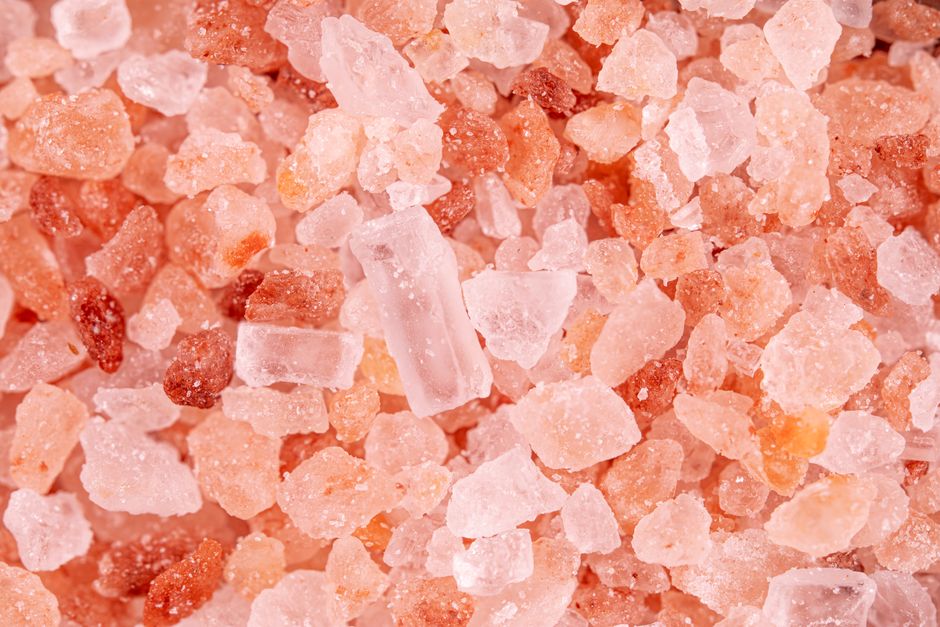
Sniffing salt sends a small amount of sodium chloride particles into your nasal passages, where they dissolve in the thin layer of mucus that lines your nose. The salt draws water toward it and can briefly irritate or stimulate the nasal lining. Most people who do it are hoping to clear a blocked nose, stop a sneeze, or test a folk remedy. The actual effects are modest and the evidence behind them is thin.
There is a real medical practice that uses salt in the nose, but it is not sniffing dry salt. It is rinsing with a saltwater solution. The two get mixed up constantly, and the difference matters for both safety and results.
What Does Sniffing Salt Do to Your Nose?
The nose is lined with a moist layer of mucus that traps dust, pollen, and germs. Tiny hair-like structures called cilia sweep that mucus toward the back of the throat, where it is swallowed. This is one of the body’s main air-filtering systems.
When you sniff dry salt, grains land on that mucus layer. Salt is hygroscopic, meaning it pulls water toward itself. A concentrated pinch of salt can draw moisture out of the tissue it touches, which may cause a sharp sting or a burning feeling. Some people describe a sudden urge to sneeze or a brief rush of watery discharge.
That reaction is irritation, not treatment. A short-lived watery nose after sniffing salt does not mean congestion has cleared. It means the nasal lining responded to a foreign irritant. The effect usually fades within minutes.
Dry salt particles can also lodge in the nasal passages. Large grains or clumps are more likely to cause discomfort than fine particles. Nothing about this process removes mucus from the sinuses or treats an infection.
Is Sniffing Salt the Same as a Saline Rinse?
No, and this is the most important distinction in the whole topic. A saline rinse uses salt dissolved in water at a controlled strength, usually close to the body’s natural salt concentration or slightly stronger. Sniffing dry salt delivers an uncontrolled amount of salt directly to delicate tissue.
Saline nasal rinses are widely used and have a reasonable evidence base for temporary relief of congestion and for moisturizing dry nasal passages. Some research suggests they can help loosen thick mucus. They work partly by physically flushing irritants and mucus out of the nose, not because salt has any special healing property.
Sniffing dry salt has no comparable evidence. No large human trials have confirmed that inhaling salt powder clears congestion, fights infection, or improves breathing. The logic that “salt water helps, so dry salt must help more” does not hold up. Concentration and delivery matter, and dry salt is a harsher delivery method.
If you want the benefit that salt in the nose is actually studied for, a prepared saline rinse or spray is the form that has been tested. Mixing your own should follow safe-water guidance, which is covered below.
Does Sniffing Salt Clear a Blocked Nose?
A blocked nose is usually caused by swollen blood vessels and tissue in the nasal lining, often from a cold, allergies, or dry air. The blockage is tissue swelling, not a plug of solid material sitting in the airway. Sniffing salt does not shrink swollen tissue.
What salt can do, in rinse form, is thin mucus so it moves more easily and flush out irritants. That is a mechanical effect. Dry salt does not flush anything. It sits on the surface and irritates it.
Some people report that a pinch of salt makes them sneeze, which briefly opens the nose. That relief is temporary and comes from the sneeze reflex, not from the salt doing anything therapeutic. It can also spread germs if you are sick.
Is Sniffing Salt Dangerous?
Occasional accidental inhalation of a small amount of salt is generally not harmful. The bigger concerns are with deliberate or repeated use, and with how the salt is delivered.
- Nasal irritation and bleeding. Dry salt can dry out and irritate the nasal lining. Repeated exposure may increase the risk of nosebleeds, especially in people who already have dry passages.
- Inhaling particles into the lungs. Sniffing hard can pull particles past the nose and into the airways. This is a particular concern with large grains or clumps.
- Contaminated water in homemade rinses. This is the serious risk with saltwater, not dry salt. Rinsing with tap water that has not been properly treated has been linked to rare but severe infections, including a type of amoeba that can cause a devastating brain infection. Public health agencies advise using distilled, sterile, or properly boiled and cooled water for nasal rinses.
- Underlying conditions. People with nasal polyps, recent nasal surgery, or a weakened immune system should talk to a clinician before using any nasal product.
The water-safety point deserves emphasis because it is the one place where a salt-in-the-nose habit has caused real harm. It applies to rinses, not to dry salt, but people often move between the two.
Why Do People Sniff Salt?
The practice shows up in folk remedies and in online health content. Common claims include that it kills germs, dries up mucus, stops sneezing, or “cleans” the sinuses. None of these claims is supported by solid clinical evidence for dry salt.
Salt does have some antimicrobial action in a laboratory dish at high concentrations. That is not the same as killing germs inside a living nose, where moisture, mucus, and tissue change the picture. A lab result does not translate automatically into a working treatment.
There is also a persistent idea that salt water pulled into the nose can “draw out” infection. The body does not work that way. Sinus infections involve tissue and trapped mucus, and drawing water toward the surface does not remove the source of the problem.
What Actually Helps a Blocked or Stuffy Nose?
Several approaches have better support than sniffing dry salt. These are general options, not personal medical advice, and a pharmacist or clinician can help you choose.
- Saline spray or rinse. Prepared products are widely available. If you make your own, use safe water as described above.
- Steam and humidity. A warm shower or a humidifier can ease dryness. Keep humidifiers clean to avoid mold growth.
- Over-the-counter decongestant sprays. These can reduce swelling for short periods. Used for too many days in a row, they can cause rebound congestion, so follow the label.
- Oral decongestants and antihistamines. These help some people, but they have side effects and interact with other medicines. Check with a pharmacist, especially if you have high blood pressure or heart conditions.
- Treating the cause. If congestion is from allergies, avoiding triggers and using appropriate allergy treatment often works better than any nasal home remedy.
See a clinician if congestion lasts more than about ten days, comes with facial pain or fever, or keeps getting worse. Those patterns can point to a sinus infection or another condition that needs proper evaluation.
The Bottom Line on Sniffing Salt
Sniffing salt is a folk practice with no strong evidence behind it. It can irritate the nose, cause sneezing, and in some cases lead to nosebleeds. The salt-in-the-nose practice that is actually studied is the saline rinse, which uses dissolved salt in safe water and has modest, real benefits for congestion and dryness.
If you are reaching for salt to clear your nose, the form matters more than the salt. A prepared saline product used correctly is the version with evidence. Dry salt is the version without it.
Frequently Asked Questions
Does sniffing salt clear your sinuses?
No good evidence shows that sniffing dry salt clears sinuses. Saline rinses can help loosen mucus, but dry salt mostly irritates the nasal lining.
Is it safe to sniff salt water up your nose?
Saline rinses are generally safe when made with distilled, sterile, or properly boiled and cooled water. Never use untreated tap water for a nasal rinse because of the rare risk of serious infection.
Why does sniffing salt make me sneeze?
Salt particles irritate the sensitive nasal lining, which triggers the sneeze reflex. The relief from a sneeze is brief and does not treat congestion.
Can sniffing salt cause a nosebleed?
It can, especially with repeated use or in people whose nasal passages are already dry. Dry salt can irritate and dry out the tissue that lines the nose.
