
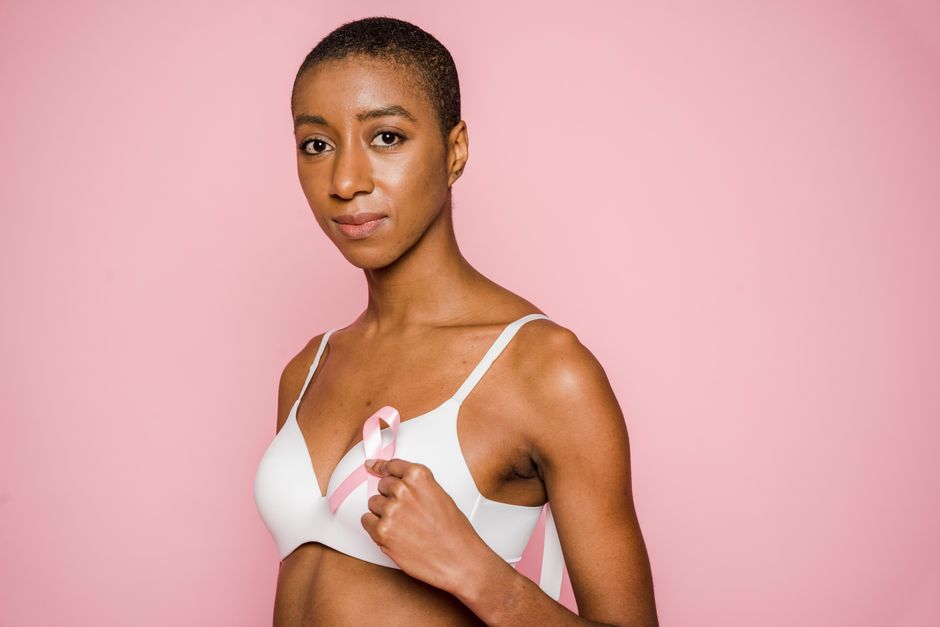
Skin thickening on the breast is often first noticed as a change in texture rather than a visible bump. The skin may look and feel like the peel of an orange, with tiny dimples or pits that appear when you pinch the area. This texture change is a specific sign that warrants prompt medical attention, as it can be linked to an underlying breast condition that requires evaluation.
What Does Skin Thickening On Breast Look Like
The most common description of breast skin thickening is the “peau d’orange” appearance, which is French for “skin of the orange.” The skin takes on a pitted, dimpled look similar to the surface of an orange peel. This happens because the tiny pores in the skin become more visible and slightly depressed, while the tissue around them swells.
In addition to the dimpled texture, the thickened area may appear red, swollen, or feel warm to the touch. The skin might feel firmer than the surrounding breast tissue, and the area may be tender or painful. In some cases, the thickening covers a large portion of the breast, while in others it is limited to a smaller patch. The nipple may also become inverted, flattened, or develop a crust, though this is not always present.
What Causes the Skin to Thicken
Skin thickening on the breast occurs when fluid builds up in the tissue and blocks the normal drainage of the lymphatic system. The lymphatic system is a network of vessels that carries fluid away from tissues. When this drainage is blocked, fluid accumulates, causing swelling and the characteristic dimpled appearance.
Inflammatory breast cancer is the condition most commonly associated with this skin change, but it is not the only cause. Other possibilities include a severe breast infection, known as mastitis, or an abscess. Some benign inflammatory conditions can also produce similar skin changes. Because several conditions can cause this appearance, a doctor must determine the specific cause through examination and testing.
Inflammatory Breast Cancer and Its Symptoms
Inflammatory breast cancer is a rare and aggressive form of breast cancer that deserves specific attention because it presents differently from other types. Rather than forming a distinct lump, it causes the breast to become swollen, red, and warm. The skin thickening and dimpling are classic signs of this disease.
Other symptoms of inflammatory breast cancer can include a rapid increase in breast size, a heavy or aching feeling in the breast, and skin that looks bruised without a specific injury. These symptoms can develop quickly, sometimes over a period of weeks. Because this cancer grows fast, early diagnosis is critical. If you notice these changes, especially if they appear suddenly, seek medical evaluation without delay.


Benign Conditions That Mimic Skin Thickening
Not all skin thickening on the breast is cancer. A breast infection, or mastitis, can cause the skin to become red, swollen, and thickened. Mastitis is more common in women who are breastfeeding, but it can occur in anyone. An abscess, which is a collection of pus, can also cause localized swelling and skin changes.
Other benign causes include trauma to the breast, which can cause swelling and bruising, or a condition called fat necrosis. Fat necrosis occurs when fatty tissue in the breast is damaged, often from an injury or previous surgery. It can create a firm area that may be mistaken for a tumor. These conditions can look similar to inflammatory breast cancer on the surface, which is why professional evaluation is essential.
When to See a Doctor
You should see a doctor if you notice any new thickening, dimpling, redness, or swelling in your breast. Do not wait to see if it resolves on its own. These symptoms can indicate a serious condition that benefits from early treatment.
During your appointment, the doctor will perform a clinical breast exam and may order imaging tests. A mammogram and ultrasound are commonly used to evaluate the breast tissue. In some cases, a biopsy may be recommended to take a small sample of tissue for laboratory analysis. This is the only way to confirm whether the thickening is benign or malignant.
How Doctors Diagnose the Cause
Diagnosis begins with a physical examination. The doctor will look at both breasts and compare them for differences in size, color, and texture. They will also feel for any lumps or areas of firmness. Your medical history and any other symptoms you have will be taken into account.
Imaging is the next step. A diagnostic mammogram provides detailed images of the breast tissue. An ultrasound can help distinguish between a solid mass and a fluid-filled cyst. If inflammatory breast cancer is suspected, a skin biopsy is often performed. In this procedure, a small piece of the thickened skin is removed and examined under a microscope. This biopsy is important because inflammatory breast cancer often does not show up as a distinct lump on imaging.
Treatment Options Depend on the Cause
Treatment depends entirely on the underlying diagnosis. If the cause is an infection, antibiotics are the standard treatment. An abscess may need to be drained. These conditions typically improve once the infection is treated.
If the cause is inflammatory breast cancer, treatment usually involves a combination of approaches. Chemotherapy is often given first to shrink the tumor, followed by surgery to remove the breast tissue. Radiation therapy may be used after surgery to eliminate any remaining cancer cells. Targeted therapies or hormone therapy may also be part of the treatment plan, depending on the specific characteristics of the cancer. Your oncology team will develop a plan tailored to your situation.
What to Expect After Diagnosis
After a diagnosis is confirmed, your healthcare team will explain your specific condition and the recommended next steps. If the cause is benign, you may need no further treatment or just simple measures to manage symptoms. If the cause is cancer, you will be referred to a specialist who can guide you through the treatment process.
Do not attempt to self-diagnose based on how the skin looks. Visual appearance alone cannot determine the cause of breast skin thickening. Only a medical evaluation with appropriate testing can provide an accurate answer. Early evaluation is the most reliable way to ensure the best possible outcome, regardless of the cause.
Frequently Asked Questions
Can breast skin thickening go away on its own?
It depends on the cause, but you should not wait to see if it resolves. A breast infection may improve with treatment, but inflammatory breast cancer will not go away without medical intervention.
Is peau d’orange always cancer?
No, peau d’orange is not always cancer. It can also be caused by infection or other benign inflammatory conditions, but it always requires a medical evaluation to rule out cancer.
Does breast skin thickening hurt?
It can. Some people experience tenderness, pain, or a feeling of warmth in the affected area, but others may not feel any discomfort. The absence of pain does not mean the condition is not serious.
How quickly does inflammatory breast cancer develop?
Symptoms of inflammatory breast cancer can develop quickly, often over a period of weeks. This is why sudden changes in breast appearance or texture should be evaluated by a doctor promptly.
