
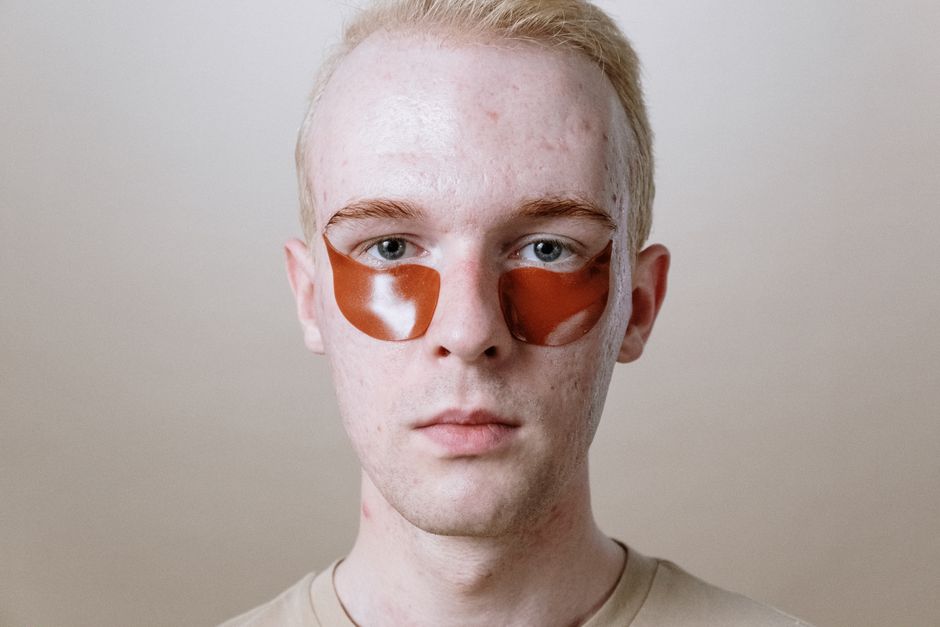
Severe acne looks like deep, painful lumps under the skin rather than the small surface bumps most people picture. These lesions are called nodules and cysts, and they form when inflammation and debris extend far below the surface where a pimple normally sits. They feel hard or fluid-filled, they can be several centimeters wide, and they often leave permanent scars. Ordinary acne treatments rarely clear them on their own.
What Does Severe Acne Look Like Cysts And Nodules?
Nodules and cysts are the defining lesions of severe acne. They sit deep in the skin and behave very differently from the whiteheads and blackheads that appear at the surface.
A nodule is a solid, firm lump beneath the skin. It feels like a hard knot and does not come to a visible head. A cyst is similar but contains fluid or pus, making it softer and sometimes compressible. Both are tender to the touch and often painful even without pressure.
They typically appear on the face, jawline, chest, upper back, and shoulders. These areas have the highest concentration of oil glands, which is why they are most affected.
Unlike a common pimple, a nodule or cyst does not resolve in a few days. It can stay for weeks or months. It may leave a dark mark, a depressed scar, or a raised scar after it finally settles.
This pattern of deep, recurring, painful lumps is what dermatologists call nodulocystic acne. It is the most severe form of acne and the one most likely to cause lasting skin damage.
How Are Nodules and Cysts Different From Regular Pimples?
The difference comes down to depth and structure. A regular pimple forms near the surface in the upper layer of skin. A nodule or cyst forms much deeper, in the dermis and sometimes the tissue below it.
Here is how they compare:
| Feature | Common pimple | Nodule or cyst |
|---|---|---|
| Depth | Surface layer | Deep in the dermis |
| Feel | Small, raised bump | Hard lump or fluid-filled sac |
| Head | Usually forms a white or black head | Often no visible head |
| Pain | Mild | Often painful |
| Duration | Days | Weeks to months |
| Scarring | Usually none | Frequently leaves scars |
The key point is that you cannot see the full extent of a nodule or cyst from the surface. Much of the inflammation is hidden below. That is why squeezing does not clear it and usually makes things worse.
What Causes Acne to Become Severe?
Acne starts when a hair follicle becomes blocked by oil and dead skin cells. Bacteria that normally live on the skin, particularly Cutibacterium acnes, can multiply in the blocked follicle. The immune system responds with inflammation.
In severe acne, this process goes deeper than usual. The follicle wall ruptures below the surface, releasing oil, bacteria, and cell debris into the surrounding tissue. The body mounts a stronger inflammatory response, which creates the large, tender lumps.
Several factors push acne toward this severe form:
- Genetics. A family history of severe acne raises your risk. This is one of the strongest known factors.
- Hormones. Androgens increase oil production. This is why severe acne often begins around puberty and can flare with hormonal shifts.
- Delayed treatment. Waiting to treat moderate acne can allow it to progress.
- Picking and squeezing. Manipulating lesions can drive inflammation deeper and worsen scarring.
Some medications, including certain steroids and lithium, are associated with acne flares. If you suspect a medication is involved, talk to your prescriber rather than stopping it on your own.
Why Does Severe Acne Scar So Easily?
Scarring happens because the inflammation is deep and prolonged. When the follicle ruptures below the surface, it damages the collagen and elastin that give skin its structure. As the skin heals, it may not rebuild that framework properly.
This can produce two main types of scars:
- Atrophic scars are depressed or pitted. They happen when too little collagen is rebuilt.
- Hypertrophic or keloid scars are raised. They happen when too much collagen is laid down.
Dark spots left after a lesion heals are called post-inflammatory hyperpigmentation. These are not true scars and can fade over time, though it may take months. True scars from lost or excess collagen are generally permanent without treatment.
The single most effective way to limit scarring is to treat the acne early and stop new lesions from forming. Once a scar exists, treating it is a separate process from treating the acne itself.
When Should You See a Dermatologist?
See a dermatologist if you have deep, painful lumps, if acne is leaving scars, or if over-the-counter products have not helped after a reasonable trial. Nodulocystic acne generally does not respond well to drugstore treatments.
Signs that warrant a medical visit include:
- Firm or fluid-filled lumps that do not come to a head
- Pain or tenderness in the lesions
- Scars or dark marks appearing as lesions heal
- Acne spreading across the jawline, chest, or back
- Signs of hormonal imbalance, such as irregular periods or rapid changes
Early treatment matters. Severe acne that is treated sooner tends to cause less permanent scarring than the same acne treated later. This is one of the clearer findings in dermatology.
How Is Nodulocystic Acne Treated?
Severe acne usually requires prescription treatment. A dermatologist may combine more than one approach, because a single treatment often is not enough for deep lesions.
Common options include:
- Oral antibiotics to reduce bacteria and inflammation. These are typically used for a limited time, often alongside other treatments, because of concerns about antibiotic resistance.
- Isotretinoin, a powerful oral retinoid. It is the most effective treatment for severe nodulocystic acne. It requires close medical monitoring because of significant side effects, including serious risks in pregnancy.
- Hormonal treatments such as certain oral contraceptives or spironolactone, which can help when hormones are a driver. These are used mainly in women.
- Topical retinoids and other topical agents, which help but are usually not enough alone for deep nodules.
- Intralesional steroid injections, which a dermatologist can inject directly into a large cyst to reduce inflammation quickly.
Isotretinoin is highly effective, but it is not a casual option. It can cause birth defects, so pregnancy prevention is mandatory during and after treatment. It also requires monitoring of blood tests. These are established requirements, not optional precautions.
No treatment works overnight. Improvement typically takes weeks to months, and some treatments continue to work after the course ends. Your dermatologist will set realistic expectations based on your specific case.
What Should You Not Do With a Cyst or Nodule?
Do not squeeze, pop, or pick at a deep lump. It will not release like a surface pimple, and the pressure can push inflammation deeper and increase the risk of scarring.
Avoid harsh scrubbing and abrasive products. They irritate the skin without reaching the source of the problem, which is below the surface.
Be cautious with viral home remedies. There is no clinical evidence that toothpaste, lemon juice, or similar household items clear deep acne. Some can cause burns or irritation that make the skin worse.
If a lesion is very painful or rapidly growing, contact a dermatologist. In some cases a large, inflamed cyst needs professional drainage or an injection, and doing this yourself at home is not safe.
Does Diet or Lifestyle Affect Severe Acne?
The evidence on diet and acne is mixed and generally weaker than the evidence for genetics, hormones, and treatment. Some studies suggest that high-glycemic diets and certain dairy products may be associated with acne in some people, but results vary and the effect is not strong enough to explain severe nodulocystic acne on its own.
What is well established is that severe acne has a strong biological basis. It is not caused by poor hygiene, and it is not a sign that someone is not washing enough. This is a common and harmful myth. Cleansing more aggressively does not help and can irritate the skin.
Managing stress and getting consistent sleep support general health, but they are not proven to clear deep acne. They should not replace medical treatment.
Frequently Asked Questions
Are acne cysts and nodules the same thing?
No. A nodule is a solid, hard lump, while a cyst contains fluid or pus and may feel softer. Both are deep, painful lesions that sit below the surface of the skin.
Can you pop a nodule or cyst?
You should not try. These lesions are deep, and squeezing cannot clear them. It can push inflammation deeper and raise the risk of permanent scarring.
Does severe acne ever go away on its own?
It can improve over time, especially after hormonal shifts settle, but deep acne often leaves scars while it is active. Waiting is not recommended because early treatment reduces lasting damage.
Is isotretinoin the only treatment for severe acne?
No, but it is the most effective single treatment for nodulocystic acne. Dermatologists also use antibiotics, hormonal treatments, and steroid injections, often in combination.
