

Punching your stomach delivers blunt force to a part of the body that has almost no protection. There is no rib cage over the abdomen, no thick muscle wall guarding the organs there, and only a thin layer of skin and fat between your fist or a blow and the organs inside. The result can range from a bruise and a few minutes of pain to internal bleeding, a ruptured organ, or a life-threatening emergency. The abdomen is one of the most vulnerable areas on the human body, and a direct hit is never a harmless act.
What Does Punching Your Stomach Do To Your Body?
A punch to the stomach sends a sudden wave of pressure through the abdominal wall and into the organs behind it. The body is built to handle some pressure — it has to, because digestion, coughing, and movement all create internal forces. What it cannot handle is a sharp, concentrated impact delivered from the outside.
The abdominal cavity holds the stomach, liver, spleen, pancreas, kidneys, intestines, and major blood vessels. These organs sit close together with little cushioning. When a punch lands, the force can bruise the muscle wall, compress organs against the spine, and in serious cases tear or rupture tissue.
The liver and spleen are especially vulnerable. Both are packed with blood vessels and sit just under the ribs on the right and left sides. A hard blow there can cause internal bleeding that is not obvious from the outside. This is one reason a punch to the upper abdomen can be more dangerous than it looks.
What Happens to Your Body Immediately After a Punch to the Stomach?
The immediate effects depend on where the punch lands and how hard it is. Most people feel a sharp, deep pain that makes it hard to breathe for a few seconds. This happens partly because the impact briefly stuns the diaphragm, the muscle below the lungs that controls breathing.
Common immediate reactions include:
- A sudden inability to catch your breath
- Sharp or cramping pain in the belly
- Nausea or the urge to vomit
- Feeling lightheaded or dizzy
- A reflex to double over and protect the area
Most of these fade within minutes for a mild hit. But pain that keeps getting worse, or that spreads, is a different situation. The abdomen does not always signal serious injury right away. Bleeding inside the belly can build up slowly before symptoms become obvious.
One thing worth knowing: the body’s pain response in the abdomen is not always precise. Damage to one organ can cause pain in another area entirely. This is called referred pain, and it is why a doctor may press on different parts of your belly to figure out what is going on.
When Is a Punch to the Stomach a Medical Emergency?
Some signs point to internal injury and need emergency care right away. Do not wait to see if they improve.
- Pain that gets worse instead of better over the first hour
- A belly that becomes swollen, hard, or tender to touch
- Vomiting blood or material that looks like coffee grounds
- Blood in the stool, or black, tarry stools
- Fainting, confusion, or a rapid heartbeat
- Pale, cold, or clammy skin
- Pain that spreads to the shoulder or back
Shoulder pain after a blow to the upper abdomen is a specific warning sign. It can mean blood or fluid is irritating the diaphragm, which shares nerve signals with the shoulder. This is a known pattern in medicine and a reason to seek care immediately.
If someone is hit and then feels fine, that does not rule out injury. Some organ damage, especially to the spleen, can bleed slowly. Watch for any change over the next several hours. When in doubt, get checked.
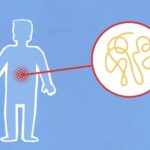
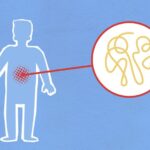



Can Punching Your Stomach Cause Internal Bleeding?
Yes. Internal bleeding is one of the most serious possible outcomes of a hard punch to the abdomen. The liver, spleen, and kidneys are the organs most likely to bleed after blunt trauma because they are rich in blood vessels and not fully shielded by bone.
A bruised or torn organ can leak blood into the abdominal cavity. Early on, the only signs might be vague pain and a rising sense of unease. As blood loss continues, a person can become dizzy, weak, and confused. Severe blood loss can lead to shock, which is life-threatening.
The spleen deserves special mention. It sits under the ribs on the left side and is one of the most commonly injured organs in blunt abdominal trauma. A damaged spleen can bleed heavily. In some cases, the injury is serious enough that the spleen has to be removed. People who have had their spleen removed need lifelong precautions against infection, since the spleen helps fight certain bacteria.
This is not a rare or theoretical concern. Blunt abdominal trauma is a well-documented cause of internal organ injury, and it is taken seriously in emergency medicine for good reason.
Is Punching Your Stomach Ever Safe?
No. There is no safe way to be punched hard in the stomach. The idea that the abdomen can be “toughened up” by taking hits is not supported by how the body actually works.
Some contact sports and martial arts involve controlled strikes to the body, but these happen in supervised settings with trained athletes, rules, protective gear, and medical support. Even then, abdominal injuries do occur. Outside that context, a punch to the stomach is simply a blow to unprotected organs.
There is also a misconception that having strong abdominal muscles makes the area safe. Muscle can absorb some force, but it does not protect the organs behind it from a sharp impact. A fit person can still suffer internal bleeding from a hard punch. Muscle strength changes how a hit feels, not whether it can cause harm.
If you have been hit in the stomach and are unsure whether you are okay, the safest move is to get medical attention. A doctor can check for internal injury in ways you cannot do at home.
What Should You Do After Being Punched in the Stomach?
Start by getting to a safe place and sitting or lying down. Take slow, steady breaths. If the pain is mild and fading, rest and watch for any changes over the next few hours. Do not eat a heavy meal right away, and avoid alcohol, which can mask symptoms and thin the blood.
Seek medical care if any of the warning signs above appear, or if you simply feel that something is wrong. Trust that instinct. People sometimes downplay abdominal pain because there is no visible wound. But internal injuries do not show on the outside.
Avoid taking pain relievers that can increase bleeding risk, such as aspirin or other blood-thinning medications, until you have been checked. If you are unsure which medications affect bleeding, ask a pharmacist or doctor. Acetaminophen does not thin the blood, but it can mask a worsening problem, so it is best to get evaluated first if the pain is significant.
If the punch was part of an assault, you may also want to report it. Physical injury and safety are both worth addressing.
How Do Doctors Check for Damage After a Punch to the Stomach?
Doctors use a mix of physical exam and imaging to look for internal injury. They will press on the abdomen to check for tenderness, swelling, or a rigid belly, which can signal bleeding or irritation inside.
Imaging often includes an ultrasound or a CT scan. A CT scan is one of the most reliable tools for spotting organ damage and internal bleeding. Blood tests can check for blood loss and organ function. In serious cases, a procedure may be needed to find and stop the bleeding.
The choice of tests depends on the exam findings and how the person looks overall. Someone who is stable with mild pain may need less testing than someone with severe pain, a rapid heartbeat, or signs of shock. This is a judgment call that trained clinicians make based on the whole picture, not a single symptom.
The Bottom Line on Stomach Punches
A punch to the stomach is not a minor event. The abdomen protects vital organs with little more than skin and muscle, and a hard blow can bruise tissue, rupture an organ, or cause internal bleeding that is not visible from the outside. Mild hits usually cause pain that fades, but worsening pain, swelling, vomiting blood, or fainting are signs to get emergency help without delay. When it comes to a blow to the belly, caution is always the safer choice.
Frequently Asked Questions
Can a punch to the stomach kill you?
It can in rare cases, usually through severe internal bleeding or organ rupture that goes untreated. Most punches do not cause death, but a hard blow to the abdomen is a genuine medical risk and should be taken seriously.
How long does stomach pain last after being punched?
Mild pain from a light hit often fades within minutes to a few hours. Pain that gets worse, spreads, or lasts longer than a day is a reason to see a doctor, since it may signal internal injury.
Can you have internal bleeding without seeing any bruise?
Yes. Internal bleeding often leaves no visible mark on the skin, especially early on. Symptoms like dizziness, weakness, a rapid heartbeat, or worsening belly pain can appear before any bruise does.
Should I go to the ER after being punched in the stomach?
Go to the ER if you have severe or worsening pain, a swollen or hard belly, vomiting blood, blood in your stool, fainting, or a rapid heartbeat. If you feel unsure but something seems wrong, it is safer to get checked than to wait.
