
Post ovulation is the second half of your menstrual cycle, the stretch that begins the day after an egg is released from an ovary and ends when your next period starts. The medical name for this phase is the luteal phase. It usually lasts around 14 days, though a normal range runs roughly from 11 to 16 days. During this time, hormones shift in a predictable pattern, and those shifts can cause real physical symptoms — some of which people mistake for pregnancy signs.
What Does Post Ovulation Mean Symptoms Phases?
Post ovulation means the period after your ovary releases an egg. It is one of four phases in the menstrual cycle, and it is the most hormonally stable part of the cycle for most people.
Here is how the cycle breaks down:
- Menstrual phase — the days you bleed, when the uterine lining sheds.
- Follicular phase — from the first day of bleeding until ovulation. An egg matures inside a follicle.
- Ovulation — the release of the egg, usually around the midpoint of the cycle.
- Luteal (post ovulation) phase — from the day after ovulation until the day before your next period.
The luteal phase is the most consistent part of the cycle. Follicular phase length can vary a lot from person to person and from month to month. The luteal phase is more fixed, which is why it is useful for understanding your cycle timing.
What Happens Hormonally After Ovulation?
After the egg is released, the empty follicle collapses and becomes a temporary gland called the corpus luteum. This small structure is the main driver of everything that happens in the luteal phase.
The corpus luteum produces progesterone. Progesterone rises steadily after ovulation and peaks around the middle of the luteal phase. Its main job is to thicken and stabilize the uterine lining so a fertilized egg could implant. It also raises basal body temperature slightly — a shift of a few tenths of a degree Fahrenheit that some people track to confirm ovulation happened.
Estrogen rises alongside progesterone in a second, smaller surge. If no pregnancy occurs, the corpus luteum breaks down after roughly 10 to 12 days. Progesterone and estrogen fall. That drop triggers the uterine lining to shed, and your period begins.
If pregnancy does occur, the developing embryo produces a hormone called hCG, which signals the corpus luteum to keep making progesterone. This is why the luteal phase continues instead of ending in a period during early pregnancy.
What Are the Common Post Ovulation Symptoms?
Post ovulation symptoms come mostly from rising progesterone and from the general hormonal shift after ovulation. They are real, but they are not universal — plenty of people have a luteal phase with no noticeable symptoms at all.
Common symptoms include:
- Breast tenderness. Progesterone affects breast tissue, and some people notice soreness or swelling in the second half of the cycle.
- Bloating. Hormonal shifts can cause fluid retention and a feeling of fullness.
- Fatigue. Energy levels often dip in the days before a period.
- Mood changes. Irritability or low mood can appear, especially in the days right before bleeding starts.
- Appetite and food cravings. Some people eat more or crave specific foods in the luteal phase.
- Headaches. Hormone-related headaches are more common around the drop in estrogen before a period.
- Cramping. Mild cramping can happen before bleeding begins.
- Acne. Hormonal changes can trigger breakouts in some people.
These symptoms overlap heavily with premenstrual syndrome, or PMS. That is not a coincidence. PMS symptoms are largely driven by the same late-luteal hormonal changes. The distinction is timing: post ovulation symptoms can appear earlier in the luteal phase, while PMS symptoms tend to cluster in the last week or so before a period.




Why Do Post Ovulation Symptoms Get Confused With Pregnancy?
Early pregnancy symptoms and late luteal phase symptoms look almost identical. Both can include breast tenderness, fatigue, bloating, and mild cramping. This overlap is the single biggest reason people misread their own cycles.
The key point: those symptoms in the days right after ovulation are caused by progesterone, not by pregnancy. Even if fertilization happened, implantation usually occurs roughly 6 to 12 days after ovulation, and the hormonal signals of pregnancy do not build up until after that. So sore breasts two or three days after ovulation are a progesterone effect, not a pregnancy sign.
A home pregnancy test detects hCG. Testing too early — before implantation and the rise in hCG — can give a false negative. Most home tests are designed to be used around the time of a missed period, and following the test’s own instructions matters more than testing on a hunch.
How Long Does the Post Ovulation Phase Last?
The luteal phase typically lasts about 14 days, and a normal range is generally considered to be roughly 11 to 16 days. Unlike the follicular phase, it does not stretch or shrink much from cycle to cycle in the same person.
Some people track their luteal phase length by counting from the day after a positive ovulation test (or a temperature shift) to the day before their period starts. A consistently short luteal phase is sometimes discussed as a possible factor in difficulty conceiving, but the evidence here is not clear-cut. Some clinicians consider a short luteal phase worth evaluating, while others view it as a less reliable predictor on its own. If you are trying to conceive and your cycles are consistently short in the second half, that is a reasonable thing to raise with a clinician.
Can You Get Pregnant After Ovulation?
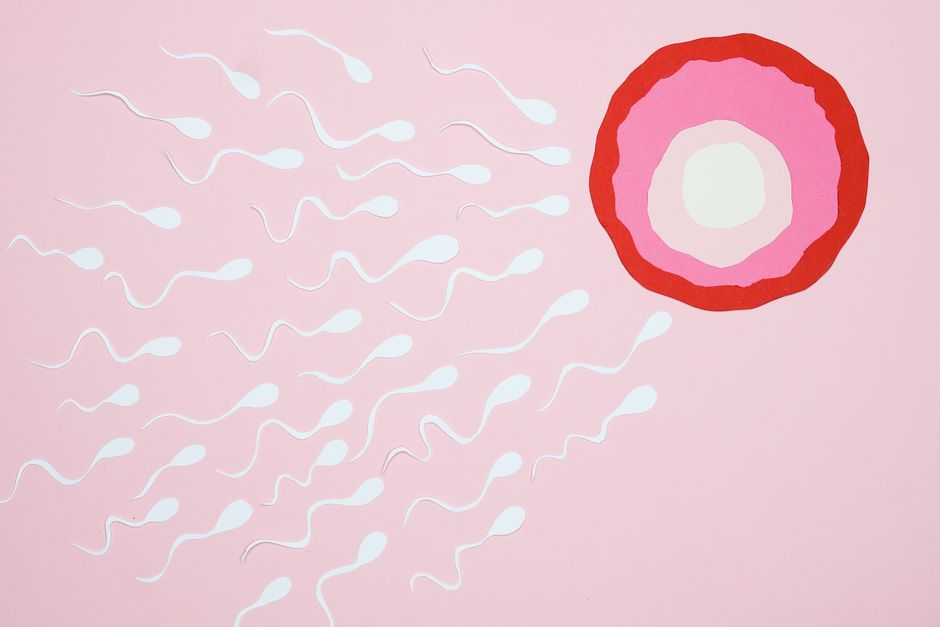
The window for pregnancy is short. An egg survives roughly 12 to 24 hours after release. Sperm, by contrast, can survive in the reproductive tract for up to about 5 days. That is why the fertile window is generally described as the days leading up to ovulation plus the day of ovulation itself.
Once ovulation has passed and the egg is no longer viable, pregnancy from that cycle is not possible. This is a well-established point in reproductive biology. It is also why timing matters so much for anyone tracking fertility.
One clarification that surprises people: ovulation does not always happen on day 14. A 28-day cycle with ovulation at day 14 is a textbook average, not a rule. Cycle length varies widely, and ovulation timing shifts with it. Apps that assume day 14 can be wrong for many people.
How Can You Track the Post Ovulation Phase?
Several methods can help you identify when ovulation has happened and when the luteal phase begins. None is perfect on its own, and combining methods improves accuracy.
- Basal body temperature. A sustained rise of a few tenths of a degree typically confirms ovulation happened — but it shows up after the fact, so it confirms rather than predicts.
- Ovulation predictor kits. These detect a surge in luteinizing hormone (LH) in urine, which usually precedes ovulation by about a day or two.
- Cervical mucus changes. Mucus tends to become clear and stretchy around ovulation, then thicker and less plentiful afterward.
- Cycle tracking apps. Useful for patterns over time, but they rely on averages and can be inaccurate for irregular cycles.
If your goal is simply to understand your body, tracking symptoms and timing over a few cycles gives you a clearer picture than any single data point.
When Should You Talk to a Clinician?
Post ovulation symptoms are usually normal. Some signs are worth a conversation with a healthcare provider.
- Severe pain during the luteal phase or around ovulation.
- Mood symptoms that significantly affect daily life — this can point to premenstrual dysphoric disorder (PMDD), a more serious condition than PMS.
- Cycles that are consistently very short or very long.
- Difficulty conceiving after a year of trying (or six months if you are 35 or older).
- Bleeding or spotting between periods.
These are general guideposts, not a diagnostic checklist. A clinician can assess your specific situation.
Frequently Asked Questions
How soon after ovulation do symptoms start?
Some people notice symptoms within a few days as progesterone rises, while others feel them mainly in the week before their period. Timing varies from person to person.
Can you have post ovulation symptoms and not be pregnant?
Yes. Progesterone causes most post ovulation symptoms whether or not pregnancy occurs, so these symptoms alone cannot tell you whether you conceived.
What is the difference between post ovulation and PMS?
Post ovulation covers the entire luteal phase, while PMS symptoms usually cluster in the last week before a period. Both are driven largely by the same hormonal changes.
Does a lack of symptoms after ovulation mean you are not pregnant?
No. Many people have no noticeable luteal symptoms at all, and the absence of symptoms says nothing about whether pregnancy has occurred.
