
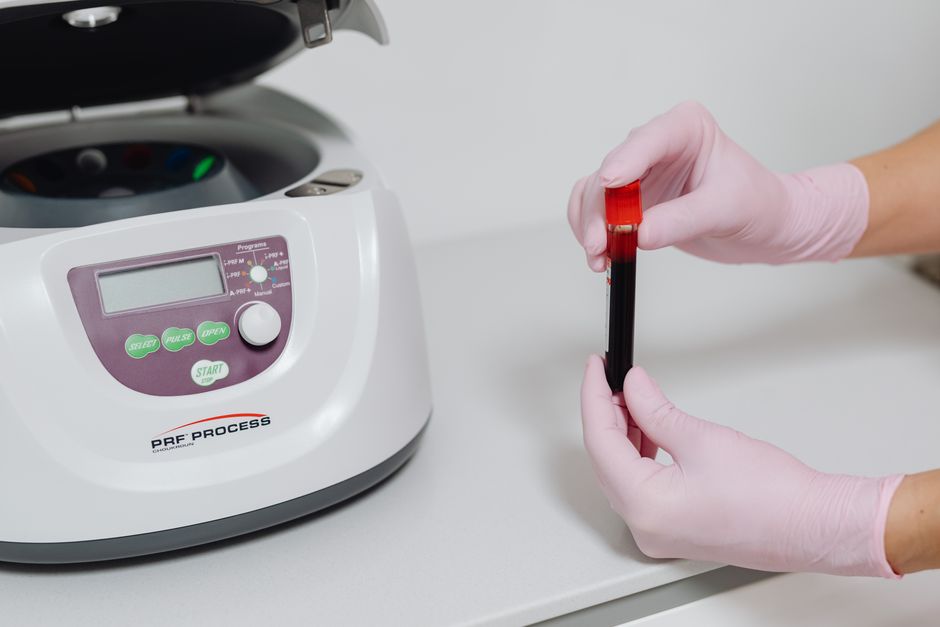
Plasma is the liquid part of your blood — and it makes up more than half of it. About 55% of your blood volume is plasma, a pale yellow fluid that carries red blood cells, white blood cells, and platelets around your body. Without plasma, blood cells would have nothing to travel in, and the nutrients, hormones, and waste products your body depends on could not move from one place to another.
Plasma does far more than act as filler. It delivers fuel to your tissues, carries waste to your kidneys, distributes heat, and holds the proteins that control bleeding and fight infection. Here is what plasma actually does, what it is made of, and where the evidence is solid versus where it is still developing.
What Does Plasma Do In Your Blood And Body?
Plasma is your body’s transport system. Every substance that needs to move through the bloodstream — glucose, amino acids, fats, hormones, vitamins, minerals, antibodies, and waste products like urea — travels dissolved or suspended in plasma.
Its jobs break down into a few clear functions:
- Delivery. Plasma carries nutrients absorbed from your digestive tract to cells throughout the body.
- Waste removal. It picks up carbon dioxide from tissues and carries it to the lungs, and moves urea and other waste to the kidneys for filtering.
- Temperature control. Water in plasma absorbs and redistributes heat, helping keep your body temperature stable.
- Clotting. Plasma contains fibrinogen and other clotting factors that let blood seal a wound.
- Immune defense. Antibodies circulating in plasma help recognize and neutralize pathogens.
- Volume and pressure. Plasma maintains the fluid volume of your blood, which keeps blood pressure in a workable range.
These functions are well established. They are basic physiology, confirmed in standard medical and physiology references.
What Is Plasma Made Of?
Plasma is roughly 90% water. The remaining portion — about 7 to 9% — is a mix of proteins, and a small fraction is dissolved salts, sugars, and other substances.
The major proteins in plasma each do a distinct job:
- Albumin is the most abundant plasma protein. It holds water inside blood vessels, keeping fluid from leaking into tissues, and it carries hormones, fatty acids, and some drugs.
- Globulins include antibodies (immunoglobulins) that fight infection, plus proteins that transport lipids and metals.
- Fibrinogen is a clotting protein. It converts into fibrin, the mesh that forms the structure of a blood clot.
Plasma also contains electrolytes such as sodium, potassium, and chloride. These carry electrical signals and keep fluid balance steady. Nutrients like glucose and amino acids, hormones, and waste products all circulate in plasma too.
One clarification worth making: serum and plasma are not the same thing. Serum is what remains after blood clots, so it has no clotting factors. Plasma still contains them. Labs choose one or the other depending on what they are testing.
How Does Plasma Keep Your Blood Pressure And Fluid Balance Steady?
Plasma proteins — mainly albumin — create a force called oncotic pressure. This pulls fluid back into your blood vessels and keeps it from seeping out into surrounding tissue.
When albumin levels drop, fluid can leak into tissues and cause swelling, called edema. This happens in conditions like liver disease, kidney disease, and severe malnutrition, where the body either makes too little albumin or loses too much.
Plasma volume itself is regulated. Your kidneys adjust how much water and sodium you retain or excrete. Hormones like aldosterone and antidiuretic hormone fine-tune this balance. The result is that blood pressure stays within a workable range most of the time.
This system is well documented. It is the reason doctors check albumin levels when a patient has unexplained swelling.
What Role Does Plasma Play In Clotting And Immunity?
Plasma holds the proteins that stop bleeding and the proteins that fight infection. Both systems depend on plasma as their delivery route.
For clotting, plasma carries fibrinogen and a series of clotting factors. When a blood vessel is injured, these factors activate in a chain reaction and form a clot. People with certain bleeding disorders have a deficiency or defect in one of these plasma proteins. Hemophilia, for example, involves missing or faulty clotting factors that circulate in plasma.
For immunity, plasma carries antibodies produced by immune cells. These antibodies circulate and help neutralize bacteria and viruses. Plasma also transports immune signaling molecules that coordinate the body’s response to infection.
The evidence here is strong. The role of plasma proteins in clotting and immunity is foundational to medicine. Plasma transfusions are used in some clinical settings specifically because these proteins are in plasma.
What Happens When Plasma Goes Wrong?
Plasma-related problems usually show up as changes in the proteins or fluid balance it maintains. The symptoms depend on which component is affected.
Some examples:
- Low albumin can cause swelling in the legs, abdomen, or around the eyes, and is a sign of liver, kidney, or nutritional problems.
- Clotting factor deficiencies cause prolonged bleeding or easy bruising.
- Abnormal plasma protein levels can be a marker of inflammation, infection, or certain cancers. Doctors often detect these through routine blood tests.
- Dehydration reduces plasma volume, which can concentrate the blood and affect how well it flows.
These are signs and markers, not diagnoses on their own. A low albumin level, for instance, tells a doctor something is off but does not identify the cause by itself. That requires further testing.
Can You Donate Plasma, And Is It Safe?
Yes, plasma donation is a routine medical procedure. Donated plasma is used to treat certain bleeding disorders, immune conditions, and other medical needs.
During plasma donation, blood is drawn, the plasma is separated out, and the blood cells are returned to your body. This is called plasmapheresis. Because your body replaces plasma proteins within days to weeks, plasma can be donated more frequently than whole blood — though donation centers set their own schedules and eligibility rules.
Plasma donation is generally considered safe for healthy adults, and serious complications are uncommon. Common side effects include dizziness, fatigue, and bruising at the needle site. Centers screen donors for eligibility and monitor them during the process.
This is a case where established donation-center guidance should be followed rather than general reasoning. Eligibility rules vary by center and by country, and they exist for a reason. If you are considering donating plasma, check with the specific center for its current requirements.
What Can Plasma Tests Tell You About Your Health?
Many routine blood tests measure substances in plasma or serum. A basic metabolic panel, for example, checks electrolytes, glucose, and kidney markers in the liquid part of blood. A lipid panel measures cholesterol and triglycerides carried in plasma.
These tests are useful because plasma reflects what is circulating throughout your body. Abnormal levels can point to problems in the liver, kidneys, immune system, or metabolism.
What plasma tests cannot do is diagnose a condition on their own. A single abnormal result usually prompts further testing. Results are interpreted alongside symptoms, history, and other findings. This is standard clinical practice, and it matters because a number out of range does not always mean disease.
The evidence for using these tests is well established. They are among the most common medical tests performed, and their value in screening and monitoring is supported by decades of clinical use.
Frequently Asked Questions
What percentage of blood is plasma?
Plasma makes up about 55% of your total blood volume. The rest is mostly red blood cells, with white blood cells and platelets making up a small fraction.
Is plasma the same as blood?
No, plasma is only the liquid part of blood. Blood includes plasma plus red blood cells, white blood cells, and platelets suspended in it.
Can your body make more plasma?
Yes, your body replaces plasma proteins and fluid continuously. After plasma donation, plasma volume is typically restored within a short period, though donation centers set specific waiting periods between donations.
What does low plasma protein mean?
Low plasma protein, especially low albumin, can signal liver disease, kidney disease, malnutrition, or inflammation. It is a marker that requires further testing to identify the cause, not a diagnosis by itself.
