
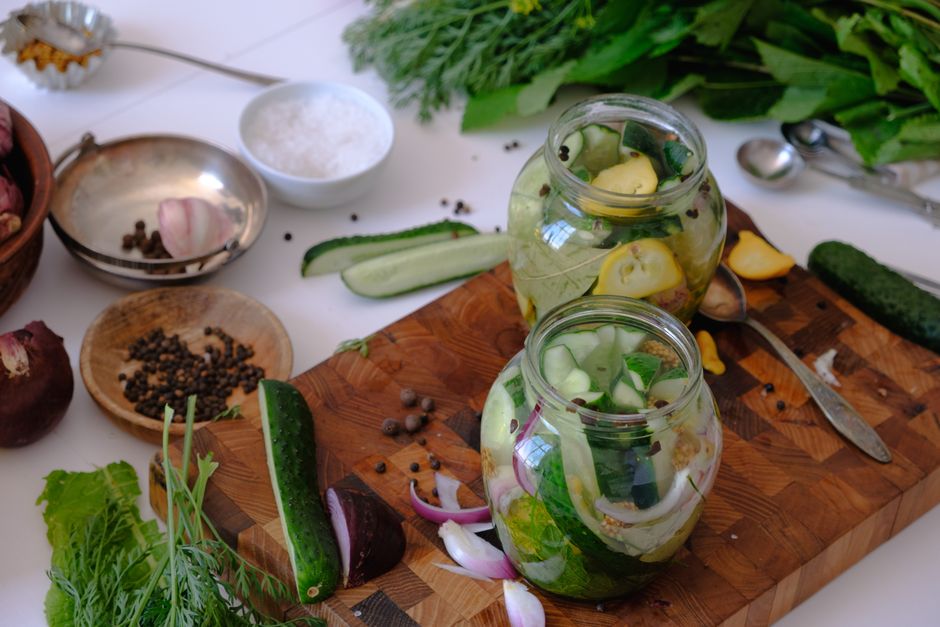
Pickle juice is the salty, acidic brine left over when cucumbers are preserved. It has a small but real evidence base for one specific use — easing exercise-related muscle cramps — and a much weaker one for most other claims. People also use it for hydration, hangovers, and digestion, but the science there is thin.
What Does Pickle Juice Help With?
The best-supported use is exercise-associated muscle cramps. A small number of studies have found that drinking a small amount of pickle juice can shorten how long a cramp lasts compared with drinking water.
That finding is specific. It applies to cramps triggered by exercise, not to cramps caused by other medical conditions. And it does not mean pickle juice prevents cramps in the first place.
Most other uses — heartburn, hangovers, hydration, weight loss — rest on traditional practice or biological guesswork rather than controlled trials. That gap matters if you are making a health decision.
How Does Pickle Juice Stop a Muscle Cramp?
The mechanism is not what most people assume. It is probably not about replacing lost electrolytes.
When researchers measured how fast the body absorbs the sodium and fluid from pickle juice, the amounts were too small and the timing too quick to explain the relief. A cramp can ease within a minute or two. That is far faster than the drink could meaningfully change the sodium or water content of your muscles.
The leading explanation involves a reflex in the mouth and throat. The strong taste of vinegar and salt appears to trigger nerve signals that calm the overactive motor neurons firing during a cramp. In other words, it may work through the nervous system rather than through the bloodstream.
This is a good example of why biological plausibility and proven benefit are not the same thing. The reflex theory fits the evidence, but it is still a theory. What we can say is that the speed of relief points away from simple electrolyte replacement.
Does Pickle Juice Work for Cramps Caused by Exercise?
This is the one area where the evidence is strongest, though still modest. Several small studies have tested pickle juice against water or a placebo drink in adults who exercised until they cramped.
Across these studies, people who drank pickle juice tended to report their cramps easing faster. The amounts used were small — often just a few ounces, not a full glass. The effect appeared quickly, which lines up with the reflex theory above.
Two honest caveats. First, the studies are small, and small studies can overstate effects. Second, most looked at how fast a cramp resolved, not whether cramps were prevented. So the evidence supports using it as a cramp treatment more than a cramp preventive.
If you deal with exercise cramps, the more reliable steps are still the basics: building up your training gradually, staying hydrated, and not suddenly pushing far past what your muscles are used to.




Does Pickle Juice Help With Leg Cramps at Night?
There is no good evidence that it does. Nighttime leg cramps are a different problem from exercise cramps, and the studies on pickle juice were not designed to test them.
Nocturnal cramps often have other causes — certain medications, nerve problems, circulation issues, or electrolyte imbalances. Some clinicians suggest pickle juice or similar remedies, but that is common practice, not a proven treatment.
Frequent or severe night cramps deserve a medical evaluation. Treating them with brine without understanding the cause could delay finding a real problem.
Is Pickle Juice Good for Hydration and Electrolytes?
It contains sodium, and sodium is a genuine electrolyte. But calling pickle juice a good hydration drink oversells it.
Pickle juice is very high in sodium and low in the other electrolytes your body needs during prolonged sweating, especially potassium. Drinking it in large amounts to hydrate could add far more salt than is helpful. For most everyday hydration, plain water remains the better choice.
For long, sweaty endurance events, sports drinks are formulated to balance sodium, potassium, and fluid in proportions the body can use. Pickle juice is not built for that job.
Can Pickle Juice Help With Heartburn or Digestion?
Some people swear by a spoonful of pickle juice for heartburn. The logic is that the vinegar might settle the stomach. The problem is that this runs against the basic chemistry of reflux.
Heartburn happens when stomach acid escapes upward into the esophagus. Adding more acid — which vinegar is — is unlikely to calm that. Anecdotal reports exist in both directions, but there is no solid trial evidence that pickle juice relieves heartburn.
If you have frequent reflux, the established approaches involve avoiding trigger foods, adjusting meal timing, and talking with a clinician about treatment. Pickle juice is not among the evidence-based options.
What About Hangovers and Other Claims?
Pickle juice gets recommended for hangovers because of its salt and fluid content. There is no clinical evidence that it treats a hangover. The symptoms of a hangover come from several factors, and no single drink has been shown to reverse them.
Other popular claims — that it aids weight loss, boosts metabolism, or supports immunity — have no supporting human trials. These are marketing and folklore, not findings.
The pattern is worth noticing. A remedy with one real use tends to attract many unproven ones. Pickle juice is a genuine example of that.
How Much Pickle Juice Is Used, and Is It Safe?
In the cramp studies, the amounts were small — typically a few ounces, not a full cup. There is no established clinical guideline for a general “dose” of pickle juice, so treat any specific number you see online with caution.
Safety is mostly about sodium. A single small serving is unlikely to cause problems for a healthy person. But pickle juice is salty enough that drinking it regularly or in large amounts could work against people who need to limit sodium.
That includes anyone with high blood pressure, heart failure, or kidney disease. If you are on a sodium-restricted diet, pickle juice is not a casual drink. Check with your clinician before using it.
One more practical point: the strong acid in pickle juice can be hard on tooth enamel and may irritate the stomach in some people. Rinsing your mouth with water afterward is a reasonable habit.
Pickle Juice vs. Other Cramp Remedies
Here is how the common options compare on the strength of their evidence for exercise cramps.
| Remedy | Evidence for Exercise Cramps | Notes |
|---|---|---|
| Pickle juice | Some small studies suggest faster relief | Small amounts; likely a nerve reflex, not electrolytes |
| Water | Helps with hydration-related cramps | Best general choice for everyday hydration |
| Sports drinks | Useful for long, sweaty activity | Balanced sodium and potassium |
| Stretching the muscle | Commonly used to ease a cramp | Widely recommended, though trial evidence is limited |
The table is not a ranking of what works best. It reflects how much research supports each option. Pickle juice has a narrow, real signal. The others have their own roles.
The Bottom Line
Pickle juice has one reasonably supported use: easing exercise-related muscle cramps, likely by triggering a nerve reflex rather than by replacing electrolytes. For that specific situation, a small amount may help.
For night cramps, heartburn, hangovers, hydration, and general health, the evidence is weak or absent. If you have a health condition that requires limiting sodium, or you get frequent cramps, talk with a clinician rather than relying on brine.
Frequently Asked Questions
What is pickle juice actually good for?
The best-supported use is easing exercise-related muscle cramps, based on a small number of studies. Most other uses, like heartburn or hangovers, are not backed by solid evidence.
How fast does pickle juice work for a cramp?
In studies, people who drank it tended to report relief within a minute or two, faster than with water. That speed is why researchers think it works through a nerve reflex rather than electrolyte replacement.
Does pickle juice help with nighttime leg cramps?
There is no good evidence that it does, since the studies tested exercise cramps, not nighttime ones. Frequent night cramps should be checked by a clinician to find the cause.
Is it safe to drink pickle juice every day?
It is very high in sodium, so drinking it daily is not a good idea for most people. Anyone with high blood pressure, heart failure, or kidney disease should ask a clinician first.
