
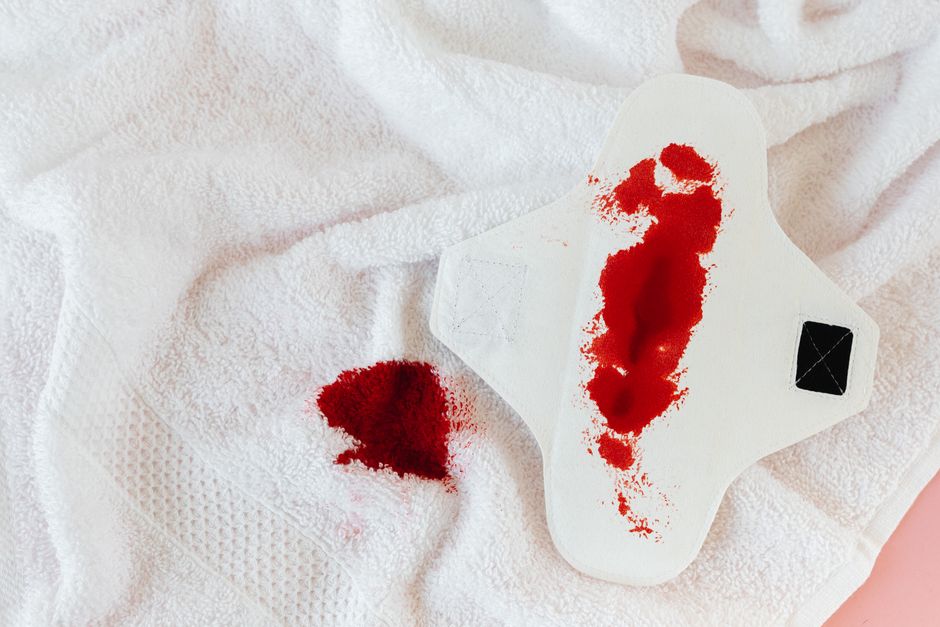
Ovulation spotting is a small amount of light bleeding that happens around the middle of your menstrual cycle, usually 10 to 16 days before your next period. It is most often caused by the normal hormonal shift that occurs when an egg is released from the ovary. The blood is typically pink or light brown, lasts a day or two, and is far lighter than a period. For many people it is harmless. But spotting can also come from other causes, so the timing and pattern matter.
What Does Ovulation Spotting Look Like?
Ovulation spotting is usually a few drops of blood, not a flow. Most people notice it only when they wipe, or as a small streak on underwear or toilet paper. The color tends to be pink, light red, or brown. Brown means the blood is older and has had time to oxidize before leaving the body.
It generally lasts less than two days. Some people see it for only a few hours. It does not fill a pad or tampon, and it does not come with the heavy cramping or clotting of a period.
The key feature is timing. Ovulation spotting lands near the midpoint of the cycle, roughly two weeks before the next period begins. If bleeding shows up right before a period is due, that is a different pattern and usually has a different cause.
What Causes Bleeding During Ovulation?
The most accepted explanation involves the rapid hormone changes that surround ovulation. In the days before an egg is released, estrogen rises to a peak. That surge triggers the release of luteinizing hormone, which causes the follicle to rupture and release the egg. After release, estrogen drops sharply while progesterone has not yet risen to take over. That brief dip can cause the lining of the uterus to shed a small amount of tissue and blood.
This mechanism is well described in reproductive physiology. It is the same general reason some people have light spotting at other points of hormonal transition, such as when starting or stopping hormonal birth control.
There is a second, less common explanation. When the follicle ruptures, it can cause a small amount of bleeding into the pelvic cavity. This is sometimes called mittelschmerz, a German term for mid-cycle pain. The discomfort is usually a dull ache or sharp twinge on one side of the lower belly. It can happen with or without any visible spotting.
Not everyone who ovulates bleeds. Many people ovulate every cycle for decades and never see a drop. Others notice it in some cycles and not others. Both patterns are normal.
How Can You Tell It Is Ovulation and Not Something Else?
Timing is the strongest clue. Bleeding that appears near the middle of a regular cycle, lasts a day or two, and is very light fits the typical pattern. Other signs of ovulation often show up around the same time.
- A change in cervical mucus, which becomes clear, stretchy, and slippery like raw egg white
- A slight rise in basal body temperature, which happens after ovulation, not before
- Mild one-sided pelvic pain or a twinge
- Breast tenderness or a brief change in sex drive
None of these signs confirm ovulation on their own. Cervical mucus changes and basal body temperature tracking together give a better picture, though even these methods have limits. The only way to confirm that ovulation occurred is through a progesterone blood test drawn in the second half of the cycle, or by tracking follicle growth with ultrasound.
If you are trying to conceive, this distinction matters. Spotting itself does not mean you are more or less fertile in that cycle. What matters is whether ovulation is happening at all and whether the timing lines up with intercourse.




When Is Mid-Cycle Bleeding a Reason to See a Doctor?
Spotting around ovulation is common and usually not a concern. But bleeding between periods can also signal something that needs attention. The pattern helps separate the two.
Talk to a clinician if any of these apply:
- Bleeding is heavy enough to need a pad or tampon
- It lasts more than two or three days
- It happens every cycle, or the pattern changes
- It comes with pain that is severe, one-sided, or getting worse
- You could be pregnant
- You have other symptoms such as unusual discharge, fever, or pain during sex
Other causes of bleeding between periods include hormonal birth control, especially in the first few months of use, and infections such as chlamydia or gonorrhea. Cervical or uterine polyps and fibroids can also cause bleeding. So can thyroid problems, which affect the hormones that regulate the cycle. In people over 35, or anyone with risk factors, abnormal bleeding is taken more seriously because it can occasionally be an early sign of endometrial cancer.
Bleeding in early pregnancy can be mistaken for ovulation spotting if the person is not tracking their cycle closely. Anyone who might be pregnant and is bleeding should check with a clinician rather than assume it is ovulation related.
Does Ovulation Spotting Affect Fertility or Pregnancy?
Ovulation spotting by itself does not reduce your chances of getting pregnant. It is a sign that the hormonal events of ovulation are taking place, not a problem with them. Many people who notice it conceive without difficulty.
The more useful question is whether you are ovulating regularly. Regular cycles, generally somewhere between 21 and 35 days from the first day of one period to the first day of the next, usually point to regular ovulation. Cycles that are very long, very short, or unpredictable can suggest that ovulation is not happening consistently, and that is worth discussing with a clinician.
One practical point some people miss: if you are tracking your cycle to conceive, spotting is not a reliable marker of the fertile window on its own. The fertile window is the few days leading up to and including ovulation, because sperm can survive in the reproductive tract for several days while an egg lives only about 12 to 24 hours after release. If you only notice spotting, you may be catching the tail end of that window. Combining cycle tracking methods gives a clearer picture than any single sign.
How Is the Cause of Mid-Cycle Bleeding Evaluated?
When the pattern is typical and you are otherwise well, no testing is usually needed. If your clinician wants to look further, the evaluation is straightforward.
A pelvic exam can check for visible causes such as polyps or irritation. A pregnancy test is often the first step, since early pregnancy bleeding can look like mid-cycle spotting. Blood tests can check hormone levels and thyroid function. A pelvic ultrasound can look at the uterus and ovaries for fibroids, polyps, or cysts.
In some cases, especially in people over 35 or those with risk factors for uterine cancer, a clinician may recommend an endometrial biopsy. This takes a small sample of the uterine lining to check for abnormal cells. It is a common and well-established step when abnormal bleeding needs to be ruled out.
The right approach depends on your age, your history, and the bleeding pattern. There is no single test that answers every case.
What Else Can Cause Bleeding Between Periods?
Ovulation is only one of several reasons for mid-cycle bleeding. Knowing the alternatives helps you judge whether what you are seeing fits.
- Hormonal birth control: Spotting is common in the first few months on a new method, and with some methods such as the implant or hormonal IUD.
- Infection: Sexually transmitted infections can cause bleeding, often with discharge or discomfort.
- Polyps and fibroids: Non-cancerous growths in the uterus or cervix can cause irregular bleeding.
- Thyroid disorders: Both an underactive and overactive thyroid can disrupt the menstrual cycle.
- Perimenopause: Cycles often become irregular in the years before menopause, and bleeding patterns can change.
- Pregnancy: Implantation bleeding or early pregnancy complications can cause spotting.
This list is not a reason to worry. Most causes of light mid-cycle bleeding are not serious. But it is a reason to pay attention to a pattern that changes or does not fit the typical ovulation picture.
Frequently Asked Questions
How long does ovulation spotting last?
It usually lasts a few hours to about two days. Bleeding that continues longer, or gets heavier, is not typical for ovulation and should be checked.
Is ovulation spotting a sign you are fertile?
It suggests the hormonal events of ovulation are happening, but it does not confirm that an egg was released or predict your exact fertile days. Confirmation of ovulation requires a progesterone blood test or ultrasound tracking.
Can you get pregnant if you have ovulation spotting?
Yes. Spotting around ovulation does not lower your chances of conceiving. It is a sign of the normal hormonal shift around egg release, not a barrier to pregnancy.
How do you tell ovulation spotting from implantation bleeding?
Timing is the main difference. Ovulation spotting happens near the middle of the cycle, while implantation bleeding typically occurs closer to when a period would be due. A pregnancy test can help tell them apart.
