
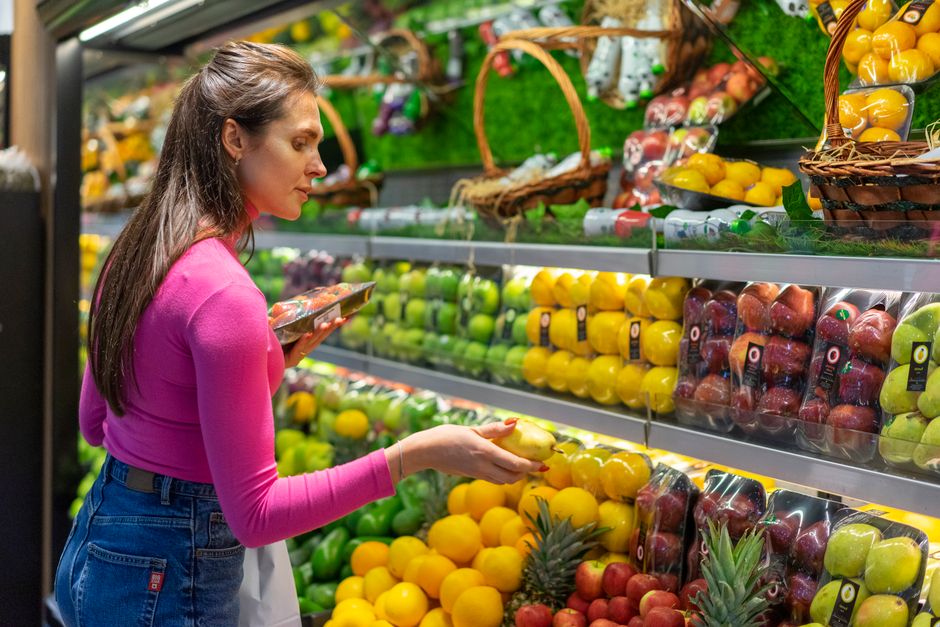
Walk into any grocery store and you’ll see the word “organic” on everything from apples to frozen pizza. It usually costs more. But what does organic actually mean when buying food?
Organic is a labeling term defined by federal law, not a marketing slogan. In the United States, foods labeled organic must be produced under specific rules set by the USDA’s National Organic Program. Those rules cover how crops are grown, how animals are raised, and which substances can be used during processing. The label is a legal claim about production methods — not a statement about nutrition, safety, or taste.
What Does the USDA Organic Label Actually Certify?
The USDA organic seal means a farm or processing facility has been inspected and certified by an accredited agent. It is not self-declared. A grower cannot simply print “organic” on a package and call it done.
For crops, organic production prohibits the use of synthetic fertilizers, synthetic pesticides, sewage sludge, and genetic engineering. Instead, organic farms rely on practices like crop rotation, compost, and biological pest control. That word “synthetic” matters, and it’s one of the most misunderstood parts of the whole system. Organic farming does not mean zero pesticides. It means pesticides must come from an approved list of natural or non-synthetic substances, and even those can only be used when other methods fail.
For livestock, organic rules require animals to be raised on organic feed, given access to the outdoors, and managed without routine antibiotics or added growth hormones. There are real limits here. “Access to the outdoors” does not always mean animals spend most of their time on pasture. The rules require access, and the amount of actual time outside varies by farm and species.
Processed organic foods face another layer of rules. At least 95 percent of their ingredients by weight must be certified organic, with strict limits on the remaining 5 percent. No artificial preservatives, colors, or flavors are allowed, with narrow exceptions.
What Do the Different Organic Labels Mean?
Not every product that says “organic” carries the same weight. The USDA uses four distinct categories, and the differences are written into the rules.
| Label | What It Means |
|---|---|
| 100% Organic | All ingredients are certified organic (excluding water and salt). Can carry the USDA seal. |
| Organic | At least 95% of ingredients by weight are organic. Can carry the USDA seal. |
| Made with Organic Ingredients | At least 70% of ingredients are organic. Cannot carry the USDA seal. |
| Specific ingredient listings | Less than 70% organic ingredients. The word “organic” can appear only in the ingredient list, not on the front of the package. |
This is where a lot of shoppers get tripped up. A box that says “made with organic oats” is not the same as a box that says “organic.” The first one may be mostly conventional ingredients. If the USDA seal matters to you, look for the seal itself, not just the word.
Does Organic Mean Pesticide-Free?
No. This is probably the single biggest misconception about organic food.
Organic farmers can and do use pesticides. The difference is which ones. Approved organic pesticides are generally derived from natural sources, but “natural” and “safe” are not the same thing. Some approved organic pesticides, including certain copper-based compounds, carry their own toxicity concerns and are regulated for that reason. The point is not that organic produce is chemical-free. It’s that the chemicals used are restricted to an approved list and applied under specific conditions.
Both organic and conventional produce in the US are subject to residue limits set by the Environmental Protection Agency. Testing by the USDA’s Pesticide Data Program has consistently found that the vast majority of both conventional and organic samples fall within legal limits. The levels of pesticide residue found on conventional produce are generally very low, and the scientific consensus is that the health risk from those residues is small.
That’s an honest and sometimes unpopular thing to say. It doesn’t mean residues are zero. It means the difference between organic and conventional produce, in terms of pesticide exposure, is smaller than most people assume.


Is Organic Food More Nutritious?
The evidence does not support a clear nutritional advantage. This is one of the most studied questions in food science, and the results have been mixed and modest.
Some studies have found slightly higher levels of certain antioxidants and omega-3 fatty acids in some organic foods. Other studies have found no meaningful difference. When differences appear, they tend to be small and inconsistent across foods and growing conditions. A review published in the Annals of Internal Medicine concluded that the evidence does not show organic foods are more nutritious than conventional ones.
What this means for you: choosing organic is not a reliable way to get more vitamins or minerals. If your goal is nutrition, eating more fruits and vegetables — organic or not — matters far more than which type you pick.
Does Organic Mean No GMOs?
Yes, for crops. Organic certification prohibits the use of genetically engineered seeds and ingredients. A product carrying the USDA organic seal cannot intentionally contain GMOs.
There’s a practical caveat. Because pollen and seeds can travel, trace amounts of GMO material can sometimes end up in organic crops through cross-contamination the farmer did not cause. The rules address this by focusing on intent and process rather than guaranteeing a zero-tolerance result. In practice, organic certification is one of the more reliable ways to avoid GMOs in your food, but it is not an absolute guarantee against trace contamination.
Is Organic Food Safer?
Organic food is not inherently safer from a food safety standpoint. The bacteria that cause foodborne illness — Salmonella and E. coli, for example — do not care whether a farm is certified organic. Organic produce can carry the same pathogens as conventional produce, and organic meat can carry the same bacteria.
Handling and cooking matter more than the label. Washing produce, cooking meat to a safe internal temperature, and preventing cross-contamination in your kitchen reduce your risk of foodborne illness regardless of how the food was grown.
There is one area where organic rules do affect a specific safety question: antibiotics. Organic livestock cannot be given routine antibiotics. Some researchers have raised concerns that routine antibiotic use in conventional agriculture contributes to antibiotic resistance. How much this affects human health is still debated, and the evidence is not settled. It’s a real area of scientific interest, not a proven direct threat to any individual shopper.
When Does Buying Organic Matter Most?
For most people, the honest answer is that it matters less than the marketing suggests. The health benefits of eating more produce outweigh the benefits of choosing organic over conventional produce.
That said, there are reasons people choose organic that go beyond personal nutrition:
- Environmental concerns about pesticide runoff and soil health
- Animal welfare standards, which organic rules do address to some degree
- Avoiding GMOs, which organic certification reliably does
- Supporting specific farming practices they value
None of these are nutritional claims. They’re values-based choices, and that’s a legitimate reason to buy organic. Just don’t buy it expecting a nutritional or safety upgrade that the evidence doesn’t clearly show.
If cost is a barrier, the most useful thing you can do is eat a wide variety of fruits and vegetables. Period. The label is secondary.
How Can You Tell If Something Is Really Organic?
Look for the USDA organic seal on the package. That seal is the clearest signal that a product meets the federal standard. Products that say “natural,” “all-natural,” or “made with organic ingredients” are not the same thing, and “natural” has no legal definition in this context.
You can also check the ingredient list. If a product is certified organic, the certifying agent’s name usually appears near the seal. For fresh produce, a small sticker with a five-digit code starting with “9” indicates organic, though this labeling is not universal and not required on all items.
The bottom line: organic is a defined production standard, not a guarantee of better nutrition or safety. Knowing what the label actually promises — and what it doesn’t — helps you spend your food budget on what matters to you.
Frequently Asked Questions
Is organic food pesticide-free?
No. Organic farms can use pesticides, but only those on an approved list of mostly natural substances. Both organic and conventional produce are tested for residues and generally fall within legal limits.
Is organic food more nutritious than regular food?
The evidence does not show a clear nutritional advantage. Some studies find small differences in certain nutrients, but results are inconsistent and the differences are minor.
Does organic mean non-GMO?
Yes, organic certification prohibits genetically engineered seeds and ingredients. Trace contamination can occasionally occur through cross-pollination, but the rules are designed to prevent intentional use.
Is organic food worth the extra cost?
That depends on your reasons. If you’re buying organic for nutrition or safety, the evidence doesn’t strongly support a benefit. If you’re buying for environmental or animal welfare reasons, that’s a values-based choice.
