
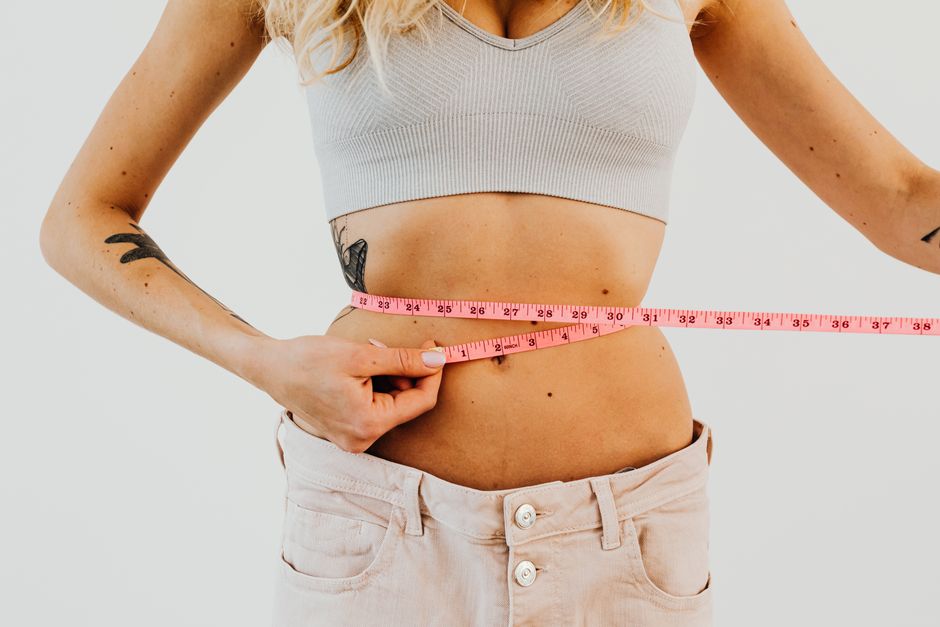
Liposuction is a surgical procedure that removes fat from specific areas of the body. It does not remove fat from every part of your body at once, and it is not a weight loss method. The procedure targets stubborn fat pockets that do not respond to diet and exercise, typically on the abdomen, thighs, hips, arms, or chin.
How Does Liposuction Actually Work?
A surgeon makes small cuts in your skin and inserts a thin tube called a cannula. The cannula loosens the fat, and a vacuum sucks it out. There are different techniques. Tumescent liposuction uses a fluid mixture to numb the area and reduce bleeding. Ultrasound-assisted liposuction uses sound waves to break up fat cells first.
The procedure is done under local or general anesthesia depending on how much fat is being removed. You are awake but numb for small areas. For larger volumes, you are asleep. The surgery usually takes one to three hours. Many people go home the same day.
What the procedure does not do matters just as much. Liposuction does not tighten loose skin. It does not remove fat from internal organs. It does not change your metabolism. It only removes the fat cells in the treated area. Those cells are gone permanently.
What Does Research on Liposuction Show About Long-Term Results?
Research published in Plastic and Reconstructive Surgery shows that fat cells removed by liposuction do not grow back in the treated area. That is the permanent part. But the remaining fat cells in other parts of your body can still expand if you gain weight.
A study from the American Society of Plastic Surgeons found that patients who maintained a stable weight after liposuction kept their results for years. Patients who gained weight after surgery did see new fat deposits, but not evenly. The fat often went to untreated areas like the upper abdomen or back.
The key takeaway is simple. Liposuction changes where your body stores fat. It does not change how much fat your body wants to hold. If you eat more calories than you burn, the remaining fat cells will grow. You may end up with a different body shape than you expected.
What Are the Real Side Effects and Risks of Liposuction?
Swelling and bruising are normal after liposuction. Most people have some pain for several days. You will wear a compression garment to control swelling. These effects usually fade within a few weeks.
More serious risks exist though they are less common. The CDC reports that infections occur in about 1 percent of liposuction cases. Blood clots, fluid buildup, and damage to deeper tissues like nerves or blood vessels can happen. Fat embolism, where fat enters the bloodstream and travels to the lungs, is rare but life-threatening.
The risk goes up with the amount of fat removed. The American Society of Plastic Surgeons recommends removing no more than 5 liters of fat in a single session. Removing more than that increases the chance of complications significantly. This is why you cannot have your whole body done at once.
Some people end up with uneven contours or loose skin after the fat is gone. This is not a failure of the procedure. It is a limitation. If your skin lacks elasticity, removing the fat underneath can leave it hanging. A second procedure like a tummy tuck may be needed to fix that.





Who Is a Good Candidate for Liposuction?
Good candidates are at or near their ideal body weight. They have stubborn pockets of fat that do not go away with exercise. They have good skin elasticity. They do not smoke. They have realistic expectations about what the procedure can and cannot do.
Liposuction is not for people who are significantly overweight. The National Institutes of Health defines overweight as a body mass index over 25. For liposuction, most surgeons prefer a BMI under 30. Patients with a BMI over 35 are generally not good candidates because the risks are higher and the results are less predictable.
People with certain health conditions should avoid liposuction. These include heart disease, diabetes that is not well controlled, blood clotting disorders, and weakened immune systems. Pregnancy is also a contraindication. The surgeon will do a full medical evaluation before approving anyone for surgery.
Comparison of Liposuction to Non-Surgical Fat Removal
| Method | How It Works | Fat Removed Per Session | Downtime | Results Visible |
|---|---|---|---|---|
| Liposuction | Surgical suction of fat cells | Up to 5 liters | 1-2 weeks | 3-6 months |
| Cryolipolysis (CoolSculpting) | Freezing fat cells | 20-25% of treated area | None | 2-4 months |
| Laser fat reduction | Heat destroys fat cells | Small amounts per session | Minimal | 2-3 months |
| Injectable fat dissolvers | Chemical breakdown of fat | Very small areas only | Minimal | 4-8 weeks |
What Does Liposuction Go Through in Terms of Recovery?
Recovery follows a predictable timeline. The first three days are the hardest. You will have pain, swelling, and drainage from the incision sites. Your surgeon will prescribe pain medication. You need to rest and keep your body elevated when possible.
After one week, most people can return to desk jobs. You will still wear the compression garment. Walking is encouraged to prevent blood clots. Heavy lifting and intense exercise are off limits for at least four weeks.
By six weeks, the swelling is mostly gone. You can see the real results. The final shape continues to improve for up to six months as the remaining swelling resolves and the skin tightens over time. Scarring from the small incisions fades but does not disappear completely.
One thing many people do not expect is the emotional adjustment. You may look different than you imagined. The change can take time to accept. Some people feel disappointed at first because swelling hides the result. This is normal. Give your body time to heal before judging the outcome.
What Are Common Misconceptions About Liposuction?
The biggest myth is that liposuction is a shortcut to weight loss. It is not. The procedure removes fat cells, but the scale may barely move. A liter of fat weighs about two pounds. Removing five liters takes off about ten pounds. That is significant, but it is not the dramatic transformation many people imagine.
Another myth is that liposuction removes cellulite. It does not. Cellulite is caused by fibrous bands pulling the skin down over fat. Liposuction can actually make cellulite look worse in some people because it removes the fat unevenly. There are treatments specifically for cellulite, but liposuction is not one of them.
Some people believe liposuction is permanent no matter what they do afterward. As discussed earlier, the fat cells in the treated area are gone. But the remaining fat cells can grow. Weight gain after liposuction can undo the cosmetic result. The procedure is a tool, not a cure.
Finally, there is a misconception that all liposuction techniques are equally safe. They are not. Laser-assisted and ultrasound-assisted liposuction carry a higher risk of burns and tissue damage compared to traditional tumescent liposuction. The safest technique depends on the area being treated and the surgeon’s experience. Ask your surgeon specifically which technique they use and why.
What to Avoid Before and After Liposuction
Before surgery, stop smoking at least six weeks ahead. Smoking slows healing and raises the risk of complications. Avoid aspirin, ibuprofen, and other blood thinners for two weeks before the procedure. Your surgeon will give you a full list of medications to stop.
Do not schedule liposuction when you have a major life event coming up. Weddings, vacations, or big work deadlines within two months of surgery are bad timing. You need time to heal without stress. Rushing recovery leads to poor results and higher complication rates.
After surgery, do not sit or lie in one position for too long. Move around gently to prevent blood clots. Do not soak in baths, pools, or hot tubs until your incisions are fully closed. Do not skip follow-up appointments. Your surgeon needs to check for complications like infection or fluid buildup.
Do not expect the results to look perfect immediately. Swelling hides the outcome for weeks. Do not compare your results to photos you see online. Those photos are often taken at the best possible angle under ideal lighting. Your body is different. Your results will be unique to you.
Frequently Asked Questions
Does liposuction hurt?
Yes, there is pain during recovery, but the procedure itself is done under anesthesia so you do not feel it. Most people describe the pain as similar to a deep bruise that lasts several days.
How much fat can be removed in one session?
Surgeons typically remove between 2 and 5 liters of fat per session. Removing more than 5 liters increases the risk of serious complications.
Will the fat come back after liposuction?
The fat cells removed are gone permanently, but remaining fat cells in other areas can grow if you gain weight. Maintaining a stable weight is essential to keeping results.
Can liposuction be done on any body part?
Common areas include the abdomen, thighs, hips, arms, back, and chin. It is not safe or effective for all body parts, and a surgeon will evaluate your specific case.
