
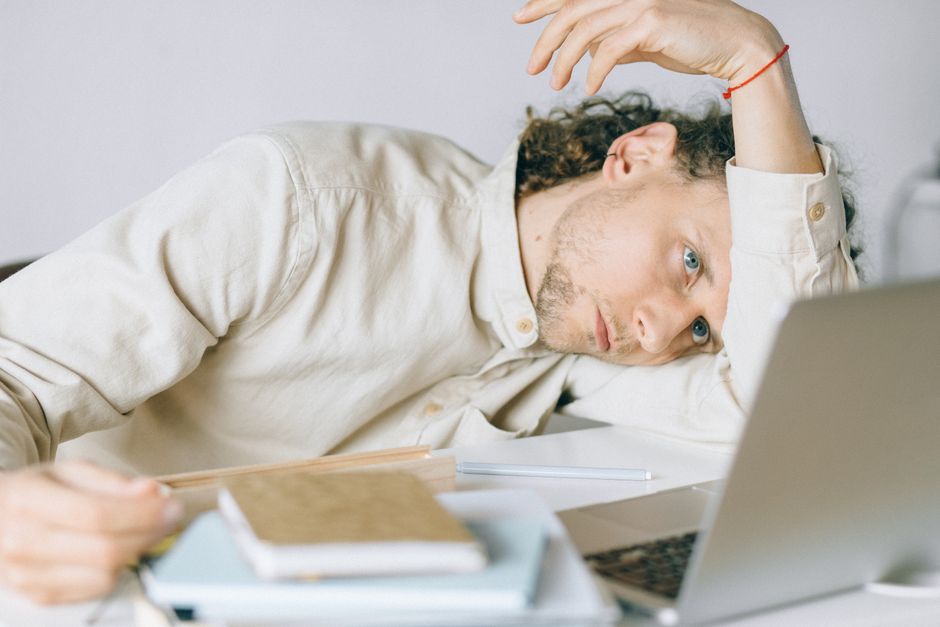
Not getting enough sleep does more than make you tired. It affects nearly every system in your body. Lack of sleep weakens your immune system, harms your heart health, and makes it harder to think clearly. Over time, chronic sleep loss increases your risk for serious conditions like diabetes, obesity, and depression. Research shows that adults who sleep less than seven hours per night are more likely to develop these health problems.
How Does Lack of Sleep Affect Your Brain and Thinking?
Your brain needs sleep to process information and form memories. When you do not get enough sleep, your ability to focus drops. You make more mistakes. Your reaction time slows down, similar to being drunk.
Studies published in the journal Nature have found that sleep helps clear waste products from brain cells. Without enough sleep, this cleanup does not happen properly. Over time, this may increase the risk of neurodegenerative diseases like Alzheimer’s.
Your mood also takes a hit. Lack of sleep makes you more irritable and less patient. You are more likely to feel anxious or sad. The National Sleep Foundation reports that people with chronic insomnia are ten times more likely to develop depression.
What Does Lack of Sleep Cause in Your Heart and Blood Vessels?
Your cardiovascular system relies on sleep to repair itself. During deep sleep, your heart rate and blood pressure drop. This gives your heart a break.
When you do not sleep enough, your blood pressure stays higher for longer. The American Heart Association states that chronic sleep deprivation is linked to high blood pressure, heart attack, and stroke. One study in the European Heart Journal found that people who slept less than six hours per night had a 48 percent higher risk of developing or dying from heart disease.
Your body also produces more stress hormones like cortisol when you are sleep-deprived. These hormones keep your heart working harder than it should. Over months and years, this extra strain adds up.
How Does Lack of Sleep Affect Your Weight and Metabolism?
Sleep and weight are closely connected. When you are tired, hormones that control hunger get out of balance. Your body produces more ghrelin, which makes you feel hungry. At the same time, it produces less leptin, which tells your brain you are full.
Research from the University of Chicago found that sleep-deprived people ate around 300 more calories per day than those who slept enough. That adds up to weight gain over time.
Lack of sleep also affects how your body handles sugar. Your cells become less responsive to insulin, the hormone that moves sugar out of your blood. This is called insulin resistance. The CDC reports that adults who sleep less than seven hours per night have a higher risk of developing type 2 diabetes.
| Sleep Duration | Associated Health Risks |
|---|---|
| Less than 5 hours | Highest risk of heart disease, stroke, diabetes, and early death |
| 5-6 hours | Moderate increase in obesity, high blood pressure, and impaired immune function |
| 7-8 hours | Lowest risk for most chronic conditions |
| More than 9 hours | May indicate underlying health issues; also linked to increased health risks |





Can Lack of Sleep Weaken Your Immune System?
Yes, it can. Your immune system has its own daily rhythm. While you sleep, your body produces infection-fighting cells and proteins. These include cytokines, which help your body respond to inflammation and infection.
Research shows that people who sleep less than seven hours per night are nearly three times more likely to catch a cold when exposed to the virus. A study from Carnegie Mellon University tracked 153 healthy adults and exposed them to the common cold virus. Those who slept less than seven hours were much more likely to get sick.
Sleep also affects how well vaccines work. The Mayo Clinic notes that people who are sleep-deprived produce fewer antibodies after getting a flu shot. This means the vaccine offers less protection.
Does Lack of Sleep Affect Your Mental Health?
The connection between sleep and mental health goes both ways. Poor sleep can make mental health problems worse. And mental health problems can make it harder to sleep.
Anxiety and sleep loss feed each other. When you are anxious, your mind races at night. When you do not sleep, your brain’s emotional centers become more reactive. The amygdala, which processes fear and stress, becomes up to 60 percent more active when you are sleep-deprived. This makes small worries feel like big threats.
Depression is also closely linked to sleep problems. The National Institute of Mental Health reports that about 40 percent of people with insomnia also have a diagnosable mental health condition. Treating sleep problems often improves symptoms of depression and anxiety.
Some people report that lack of sleep makes them feel disconnected or less able to enjoy things they used to love. This is widely claimed though strong evidence on this specific effect is limited. What is clear is that sleep deprivation makes emotional regulation harder for everyone.
What Are the Less Obvious Effects of Sleep Deprivation?
Some effects of poor sleep are not as well known. Your sex drive can drop. Testosterone levels in men fall after just one week of sleeping only five hours per night. This affects libido and energy.
Your skin also suffers. The skin repairs itself during deep sleep. Chronic sleep loss can lead to more fine lines, dark circles under the eyes, and slower healing of wounds.
Your coordination gets worse. This increases your risk of accidents. The National Highway Traffic Safety Administration estimates that drowsy driving causes about 100,000 crashes each year in the United States.
Decision-making also suffers. You are more likely to take risks and less likely to think through consequences. This is partly because the prefrontal cortex, the part of your brain that controls impulses, does not function well when you are tired.
- Short-term memory becomes unreliable
- Pain sensitivity increases
- Inflammation levels rise throughout the body
- Body temperature regulation becomes less efficient
- Judgment of your own sleepiness becomes impaired
Common Misconceptions About Sleep and Health
Many people believe they can “catch up” on sleep over the weekend. Research shows this does not fully reverse the damage. A study in Current Biology found that even after three days of recovery sleep, some health markers did not return to normal. Weekend catch-up sleep is better than nothing, but it is not a solution.
Another common belief is that some people simply need less sleep. While a small number of people have a genetic mutation that allows them to function well on six hours, this is very rare. The vast majority of adults need seven to nine hours per night. If you think you are fine on five hours, you are likely just used to being tired.
Some people also think that sleeping pills are a safe long-term solution. As of 2026 there is no clinical evidence that prescription sleep medications are safe or effective for long-term daily use. They can cause dependence and may make sleep quality worse over time. Cognitive behavioral therapy for insomnia (CBT-I) has stronger evidence and no side effects.
Frequently Asked Questions
Can lack of sleep cause long-term health damage?
Yes, chronic sleep deprivation is linked to heart disease, diabetes, obesity, and depression. The damage accumulates over time and may not fully reverse with catch-up sleep.
How many hours of sleep do adults really need?
Most adults need seven to nine hours per night. Sleeping less than seven hours regularly increases health risks.
Does lack of sleep cause weight gain?
Yes, it disrupts hunger hormones and increases cravings for high-calorie foods. People who sleep less tend to eat more and have slower metabolisms.
Can you die from lack of sleep?
Extreme sleep deprivation can be fatal in very rare cases, such as fatal familial insomnia. For most people, the risk is from long-term health effects rather than immediate death.
