
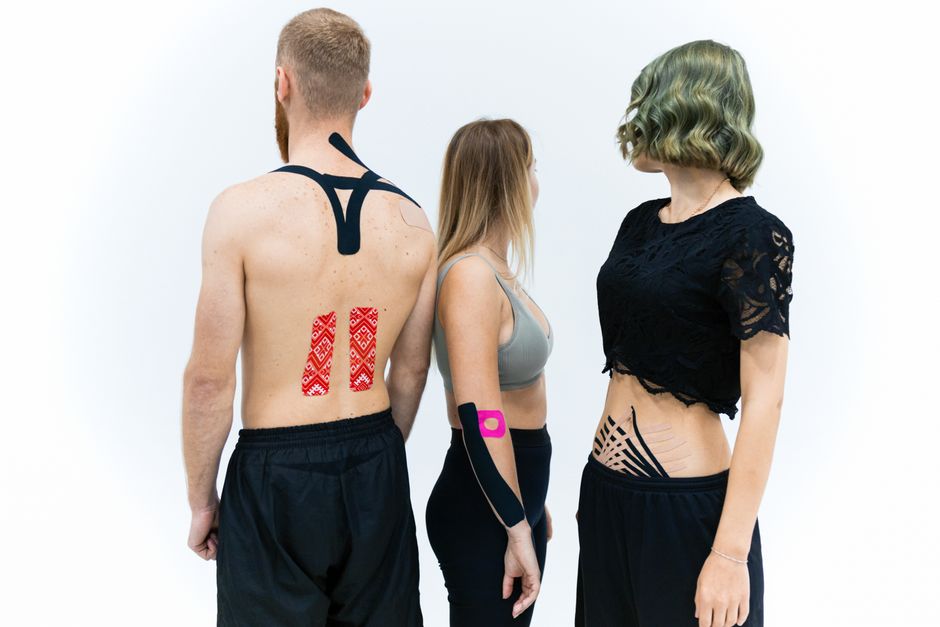
Kinesio tape is the stretchy, colorful tape you see on athletes’ shoulders, knees, and backs. Unlike traditional athletic tape, it is designed to stretch with your skin and muscles instead of locking a joint in place. The goal is to support movement, reduce pain, and speed up recovery, but the science behind how it actually works is more complicated than many claims suggest.
How Does Kinesio Tape Actually Work?
The tape works through a simple physical action: it lifts the skin slightly away from the tissue beneath it. This small lift creates more space in the area, which can reduce pressure on nerves and improve fluid drainage in the top layers of tissue.
When applied correctly, the tape’s stretch also provides sensory feedback. Your skin has millions of nerve endings. When the tape pulls on the skin, those nerves send signals to your brain about position and movement. Some researchers believe this changes how your brain perceives pain in that area, a concept called the gate control theory of pain.
What the tape does not do is provide structural support like a brace or traditional athletic tape. If you need a joint held firmly in place, kinesio tape is not the right tool. It cannot prevent a weak ankle from rolling or hold a dislocated shoulder in position.
What Does Kinesio Tape Do for Pain Relief?
Studies on kinesio tape for pain have produced mixed results. Some research shows modest pain reduction in the short term, particularly for muscle pain and conditions like shoulder impingement. Other well-designed studies show no meaningful difference between kinesio tape and a placebo tape applied without tension.
For chronic pain conditions like low back pain, the evidence is similarly uncertain. Some trials report small improvements in pain scores, but the effect often disappears when researchers compare it to sham taping. In clinical practice, many physical therapists use kinesio tape as one part of a larger treatment plan, not as a stand-alone therapy.
The most honest summary: kinesio tape may reduce pain for some people in the short term, but it is not a proven treatment for any specific pain condition. If it helps you feel better during activity, that is a valid reason to use it. It is not a substitute for addressing the underlying cause of your pain.
Does Kinesio Tape Improve Athletic Performance?
This is where marketing claims outpace the evidence. Some athletes report feeling more stable and confident with tape applied, and that psychological boost can improve performance in the moment. Feeling supported can reduce fear of movement, which matters after an injury.
However, objective measurements tell a different story. Studies measuring muscle activation, joint range of motion, and strength find little to no improvement from kinesio tape. A 2012 review of the research concluded there was limited evidence that kinesio tape improves strength or performance in healthy people.
One area where the tape may help is proprioception — your body’s ability to sense where a limb is in space. The skin lift and sensory input can improve joint position sense, particularly in the ankle and knee. Better proprioception can help with balance and reduce the risk of re-injury during rehabilitation.





Kinesio Tape vs. Traditional Athletic Tape
These two tapes serve different purposes, and understanding the difference matters for choosing the right one.
- Kinesio tape: Stretchy, thin, and wearable for days. Allows full range of motion. Used for pain relief, swelling, and sensory feedback.
- Traditional athletic tape: Rigid, non-stretch, and applied tightly. Restricts joint movement. Used to prevent injury during high-risk activity.
- Leukotape or rigid tape: A stiffer tape that does not stretch. Often used with kinesio tape for stronger support while still allowing some movement.
If you need to protect an injured ligament during a game, traditional tape or a brace is the appropriate choice. If you are recovering from muscle strain and want sensory feedback during daily movement, kinesio tape may be worth trying.
How Is Kinesio Tape Applied?
Application technique matters more than most people realize. The tape’s effect depends on how much stretch is applied, the direction of the pull, and the shape of the cut tape.
For muscle support, the tape is typically applied with mild to moderate stretch over the muscle belly. For swelling reduction, it is applied with the fan-cut technique, which creates channels that may help direct fluid toward lymph nodes. For joint support, the tape is applied with anchor points on either side of the joint and stretch across the joint itself.
Most people should have a physical therapist or athletic trainer apply the tape the first time. Improper application can cause skin irritation, blisters, or simply no effect at all. The tape should never be applied over open wounds, rashes, or areas with poor circulation.
The tape is water-resistant, not waterproof. You can shower with it, but prolonged soaking in a bath or pool will shorten how long it stays adhered. Most brands last three to five days with normal wear.
Is Kinesio Tape Safe?
For most people, kinesio tape is low-risk. The main side effects are skin irritation and allergic reactions to the adhesive. If you have sensitive skin or a known adhesive allergy, test a small piece on your arm first and wait 24 hours.
People with certain medical conditions should avoid kinesio tape. Do not use it over areas with deep vein thrombosis, active infection, or cancer. If you have diabetes with reduced sensation in your feet, the tape can hide injuries you cannot feel. Pregnant women should not apply tape over the abdomen without consulting their healthcare provider.
The tape is not a treatment for any disease or injury. It is a supportive tool used during rehabilitation. If you have sharp pain, numbness, weakness, or swelling that does not improve, see a healthcare professional rather than relying on tape alone.
What the Research Really Shows
The body of research on kinesio tape is large but inconsistent. Some meta-analyses find small benefits for pain and disability, while others conclude the effects are not clinically meaningful. This inconsistency suggests the tape’s benefits may be highly individual.
One important finding: kinesio tape is not better than other active treatments. When compared to exercise, manual therapy, or standard physical therapy, tape alone consistently underperforms. It works best as an adjunct — something you use alongside a structured rehabilitation program.
There is also a real placebo effect at play. Believing the tape helps can genuinely reduce pain perception, and that is not a reason to dismiss it. Placebo effects are real physiological responses, not imaginary ones. If the tape gives you confidence to move and exercise, that is a legitimate benefit — just not a mechanical one.
When Should You Consider Kinesio Tape?
Kinesio tape makes sense in specific situations. If you are in physical therapy and your therapist recommends it, there is no harm in trying it. If you have mild muscle soreness and find the tape comfortable, use it. If you are returning to sport after an injury and want extra sensory feedback, it may help.
Skip the tape if you are using it instead of seeing a professional for real pain. Skip it if you expect it to prevent injury during high-impact sports. Skip it if you have skin conditions or circulation problems.
The tape costs roughly $10 to $20 per roll and is available at most pharmacies and online retailers. That is a reasonable price for a tool that might help you feel better during recovery. Just keep expectations realistic: it is tape, not medicine.
If you want to try it, start with a single application from a professional who can show you the correct technique. Pay attention to how your body responds over the next few days. If you notice no difference, the tape is probably not helping you. If it does help, that is useful information for your recovery plan.
Frequently Asked Questions
Can kinesio tape be worn overnight?
Yes, kinesio tape is designed to be worn for three to five days, including while sleeping. Remove it if it causes skin irritation or discomfort.
Does kinesio tape actually work or is it a placebo?
Research shows mixed results, and the placebo effect may account for some of the reported benefits. Some people experience genuine pain relief and improved movement, while others notice no effect.
Can you shower with kinesio tape on?
Yes, the tape is water-resistant and will stay on through a normal shower. Pat it dry with a towel afterward rather than rubbing it.
How long does kinesio tape stay on?
Most brands stay adhered for three to five days with normal activity and showering. Sweating heavily or swimming can shorten how long it lasts.
