
Jasmine rice tastes mildly sweet and floral, with a soft, slightly sticky texture when cooked. It has a delicate aroma that many people describe as similar to pandan or popcorn. Unlike long-grain white rice, it is not bland — it carries a gentle fragrance and a tender chew that makes it distinct.
The flavor is subtle enough that it pairs with almost anything. That subtlety is also why some people find it less satisfying on its own than a heartier rice like basmati. Understanding what drives the taste helps you cook it well and know what to expect.
What Does Jasmine Rice Taste Like?
Jasmine rice has a soft, slightly sweet flavor with a floral scent that becomes more noticeable as it cooks. The grains are tender and cling together a little, giving each bite a gentle chew rather than the separate, firm grains you get from basmati.
The aroma is the biggest giveaway. Jasmine rice contains natural compounds called 2-acetyl-1-pyrroline, the same molecule responsible for the smell of pandan leaves and fresh bread crust. That compound is what gives jasmine rice its signature fragrance. It is present in basmati too, but at lower levels, which is part of why the two rices smell and taste different.
On the palate, jasmine rice is mild. It does not have a strong savory or nutty character. Some people describe a faint sweetness, almost like a very light vanilla or butter note. Others pick up a green, grassy quality. The flavor is soft enough that it rarely competes with the food it is served with.
Texture matters as much as flavor here. Cooked jasmine rice is moist and slightly sticky. It holds together in soft clumps rather than falling apart. That texture is why it works well in dishes where rice is meant to be scooped and eaten with sauce or curry.
How Is Jasmine Rice Different From Other Types of Rice?
Jasmine rice is a long-grain variety grown mainly in Thailand, and it behaves differently from other common rices in both aroma and texture. The differences come down to starch composition and the aromatic compounds present in the grain.
Compared with basmati, jasmine is softer and stickier. Basmati grains stay separate and firm, with a drier texture and a more pronounced nutty aroma. Jasmine is more tender and slightly clingy. Both are aromatic, but jasmine leans floral while basmati leans earthy and nutty.
Compared with short-grain rice like sushi rice, jasmine is less sticky and less dense. Short-grain rice has a higher proportion of a starch called amylopectin, which makes it glue together. Jasmine has less of that starch, so it holds together but does not clump into a solid mass.
Compared with plain long-grain white rice, jasmine is more fragrant and a little softer. Plain long-grain rice is neutral and firm. Jasmine brings aroma and tenderness that plain rice does not.
| Rice type | Texture when cooked | Aroma | Stickiness |
|---|---|---|---|
| Jasmine | Soft, tender | Floral, slightly sweet | Moderate |
| Basmati | Firm, separate grains | Nutty, earthy | Low |
| Short-grain (sushi) | Dense, chewy | Mild | High |
| Plain long-grain white | Firm, neutral | Very mild | Low |
Why Does Jasmine Rice Smell So Good?
The fragrance comes from a natural compound called 2-acetyl-1-pyrroline, which forms in the rice grain as it grows. This same molecule gives pandan leaves their sweet smell and contributes to the aroma of fresh bread and popcorn. In jasmine rice, it is present at levels high enough to notice but low enough to stay pleasant.
The compound is volatile, meaning it escapes into the air easily. That is why you smell jasmine rice most strongly while it is cooking and right after you lift the lid. The aroma fades as the rice cools and sits. Rice that has been reheated often smells less fragrant than freshly cooked rice for this reason.
Age affects the aroma too. Freshly harvested jasmine rice tends to be more fragrant than rice that has been stored for a long time. Some importers and sellers age jasmine rice deliberately, and while aging can firm up the texture, it also reduces the aroma. If fragrance matters to you, younger rice is usually the better choice.
Does Jasmine Rice Taste Sweet?
Jasmine rice has a faint sweetness, but it is not sugary. The sweetness is more of an impression than a measurable sugar content. Cooked white rice contains very little sugar — the sweetness people notice comes largely from the aroma and from the way the soft texture reads on the tongue.
That mild sweetness is one reason jasmine rice works well in both savory and sweet dishes. It can sit under a spicy curry without fighting it, and it can also be used in desserts like mango sticky rice, though that dish traditionally uses glutinous (sticky) rice rather than jasmine.
If you are watching carbohydrate intake, the sweetness is not the issue — the total carbohydrate content is. A half-cup of cooked white rice contains roughly 22 grams of carbohydrate, according to USDA data. Jasmine rice is not meaningfully different from other white rices in that respect.
How Should You Cook Jasmine Rice to Get the Best Flavor?
Rinsing the rice before cooking removes surface starch and helps the grains cook more evenly. It also reduces the stickiness slightly, which some people prefer. Rinse under cool water until the water runs mostly clear, usually two or three rinses.
Use a water-to-rice ratio of about 1 to 1.5 by volume for stovetop cooking. That means roughly one and a half cups of water for one cup of rice. Jasmine rice absorbs less water than many people expect. Too much water makes it mushy and dilutes the aroma.
Bring the water to a boil, add the rinsed rice, then reduce the heat to low and cover. Cook until the water is absorbed, usually around 15 minutes, then let it rest off the heat for about 10 minutes before fluffing. Resting lets the grains firm up and finish cooking evenly.
Do not stir jasmine rice while it cooks. Stirring releases starch and makes the rice gluey. Leave it alone until it is done.
Salt is optional. A small pinch in the cooking water can lift the flavor, but jasmine rice is often served unsalted in Thai cooking so it can balance a salty or spicy dish. Taste it before deciding.
What Foods Pair Well With Jasmine Rice?
Jasmine rice pairs best with foods that have strong flavor, because the rice itself is mild. Thai curries, stir-fries, grilled meats, and coconut-based dishes are natural matches. The floral note in the rice complements coconut especially well.
It also works with lighter dishes where you want the rice to contribute aroma rather than just bulk. Steamed fish, simple vegetable stir-fries, and soups all benefit from jasmine rice’s fragrance. In Southeast Asian cooking, it is often the plain backdrop that lets the main dish stand out.
It is less suited to dishes where you want firm, separate grains — like pilafs or rice salads — because its tenderness and slight stickiness work against that. Basmati is usually the better choice for those.
One practical note: jasmine rice is not a good substitute for glutinous rice in recipes that depend on stickiness, such as mango sticky rice or certain dumplings. Glutinous rice has a very different starch profile and behaves nothing like jasmine.
Is Jasmine Rice Healthy?
Jasmine rice is a source of carbohydrate and provides some protein, but white jasmine rice has had its bran and germ removed, so it is lower in fiber and certain nutrients than brown rice. It is not a “health food” in the marketing sense, and no clinical evidence supports claims that it offers special health benefits beyond basic nutrition.
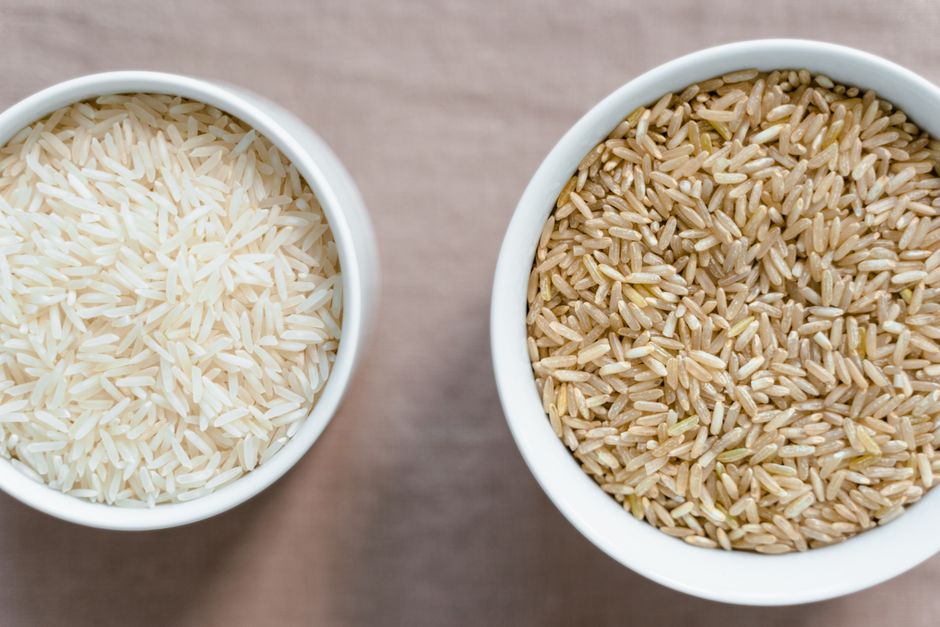
Brown jasmine rice exists and retains more fiber and nutrients than the white version. It has a nuttier flavor and a firmer texture, and it takes longer to cook. If fiber is a priority, brown jasmine is the better choice, though the aroma is less pronounced.
For people managing blood sugar, white rice — including jasmine — can raise blood sugar relatively quickly. That is well established. Pairing rice with protein, fat, and vegetables slows digestion and blunts the spike. This is general nutrition guidance, not a specific prescription, and anyone with diabetes should follow their clinician’s advice.
Portion size matters more than rice type for most people. A half-cup of cooked rice is a standard serving, and it is easy to eat more than that without noticing, especially with a flavorful curry.
Frequently Asked Questions
Does jasmine rice taste sweet?
It has a faint sweetness, but it is not sugary — the impression comes mostly from its aroma and soft texture. Cooked white rice contains very little actual sugar.
What is the difference between jasmine rice and basmati rice?
Jasmine is softer, slightly stickier, and more floral, while basmati is firmer, drier, and more nutty. Both are aromatic long-grain rices, but they behave differently when cooked.
Why does my jasmine rice not smell like anything?
The fragrant compound fades with age and with storage, so older rice smells less. Reheating also reduces the aroma compared with freshly cooked rice.
Is jasmine rice sticky?
It is slightly sticky but not gluey — the grains cling together gently. It is far less sticky than short-grain sushi rice or glutinous rice.
