
Jade is a stone that has carried meaning for thousands of years, but its symbolism is not one single idea. It depends entirely on which culture you ask. In Chinese tradition, jade represents virtue, protection, and good fortune. In Māori culture, it represents status, strength, and connection to ancestors. In the West, it is often seen simply as a beautiful green gemstone. The stone is more than a decoration. Across civilizations, jade has been treated as something sacred, something with the power to protect the living and honor the dead.
What Does Jade Represent in Chinese Culture?
In China, jade is not just a gemstone. It holds a place in the culture that no other material has ever matched. For over 5,000 years, jade has been valued more highly than gold or silver. The Chinese word for jade, yù, appears in countless idioms and sayings. One famous proverb says, “Gold has a value; jade is priceless.”
Confucius, the ancient philosopher, gave jade its moral meaning. He compared the stone’s qualities to the virtues of a noble person. Its smoothness represented kindness. Its luster represented wisdom. Its hardness represented courage. This idea became known as the “virtues of jade,” and it shaped how Chinese society viewed the stone for centuries.
Jade also represents protection in Chinese belief. People wore jade pendants and bracelets to guard against harm. Some believed jade could detect poison or reveal danger by changing color. Parents often gave jade to their children as a protective gift. Even today, many Chinese families pass down jade pieces from generation to generation, treating them as treasured heirlooms that carry the family’s history.
What Does Jade Represent in Spiritual and Religious Traditions?
Jade’s spiritual meaning reaches far beyond China. In ancient Mesoamerica, the Olmec, Maya, and Aztec civilizations prized jade above nearly everything else. For them, jade represented life, fertility, and the soul. Green jade was associated with water and vegetation — the two things that made life possible in their world. Rulers were buried with jade masks and beads. A small piece of jade was often placed in the mouth of the deceased to ensure the soul’s safe journey to the afterlife.
In Māori culture in New Zealand, jade is called pounamu. It represents strength, leadership, and spiritual power. Māori people carve pounamu into pendants and tools that are passed down through families. These objects are considered taonga, or treasures, that hold the spiritual essence of their ancestors. Each carved shape carries its own meaning. For example, the hei-tiki figure represents fertility and protection, while the hei matau, or fish hook, represents prosperity and safe passage over water.
In Western spiritual circles, jade is sometimes described as a “stone of calm.” Some people use it during meditation to promote emotional balance and clear thinking. These modern spiritual practices draw loosely from older traditions, but they are not based on any single historical belief system. If you are considering jade for spiritual purposes, it helps to understand which tradition you are drawing from — because the meanings are not interchangeable.
What Does the Color of Jade Mean?
Jade comes in several colors, and each color carries a slightly different meaning. The most famous is imperial green jade, a deep emerald shade that is the most valuable form of the stone. In Chinese culture, green jade represents harmony, good fortune, and the renewal of life. Its color mirrors the lush green of nature, which is why it is also linked to growth and vitality.
Lavender jade is rare and often associated with spirituality and emotional healing. White jade represents purity and clarity. It is sometimes called “mutton fat jade” because of its creamy, opaque appearance. Yellow jade is linked to prosperity and success, while black jade is connected to protection and grounding. Red jade, which is quite rare, is associated with passion and vitality.
One point worth noting: the stone called jade in the jewelry market is not always true jade. There are two distinct minerals that are both sold as jade. Nephrite is the traditional jade of Chinese history. Jadeite is rarer and harder, and it is the source of the most valuable imperial green pieces. Both are genuine jade, but they have different properties and values. If you are buying jade for its meaning, the mineral type matters less than the color and the cultural context — but it matters greatly for price and durability.





How Is Jade Used in Jewelry and Daily Life?
Jade is most commonly worn as jewelry, and the way it is worn often reflects its meaning. A jade bracelet on the wrist is a traditional Chinese symbol of protection. Many women receive a jade bracelet as a gift and wear it daily. Some believe the bracelet will break instead of the wearer if danger approaches — a sign that the stone absorbed the harm.
Jade pendants are also popular. In Chinese culture, a jade pendant shaped like a pi disc (a flat circle with a hole in the center) represents heaven and the cosmos. A pendant shaped like a ruyi (a curved scepter-like form) represents the fulfillment of wishes. A guan yin pendant, depicting the bodhisattva of compassion, is worn for mercy and protection.
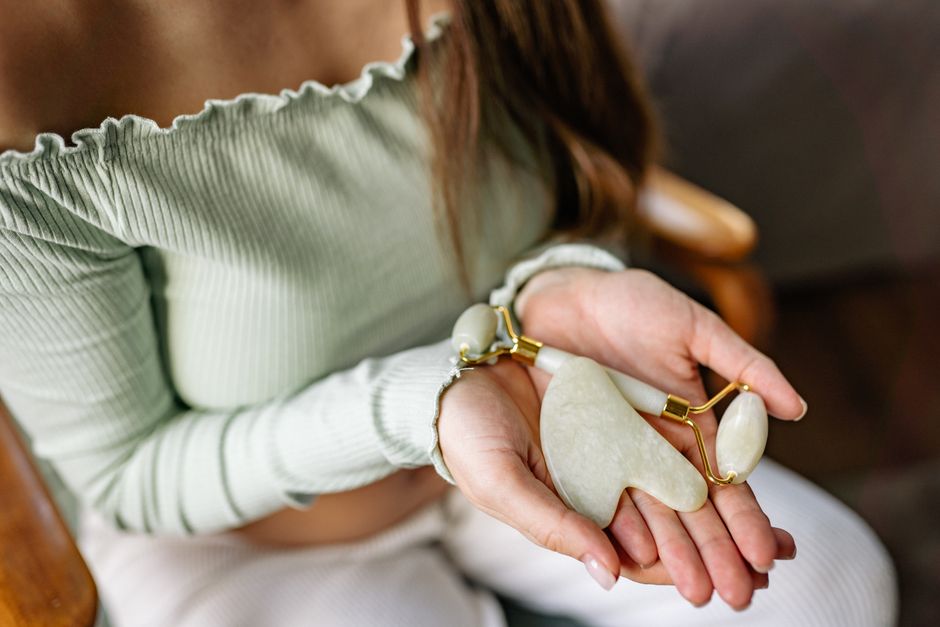
Beyond jewelry, jade is used in carved ornaments, small sculptures, and even massage tools. Jade rollers and gua sha tools have become popular in Western skincare routines. These tools are used on the face to reduce puffiness and promote circulation. Some evidence supports the idea that facial massage can temporarily reduce swelling, but the jade itself has no special property that makes it more effective than any smooth, cool object. The benefit comes from the massage and the cooling sensation — not from the stone’s metaphysical qualities.
What Is the Difference Between Jade Symbolism and Jade Value?
Symbolism and monetary value are two different things. A piece of jade can carry deep personal meaning while having very little financial worth. The opposite is also true. The most expensive jade in the world is a type of jadeite called “imperial jade,” which appears almost translucent with a vivid green color. In 2014, a pair of imperial jade bangles sold at auction for over $30 million. That price reflects rarity and quality — not spiritual power.
Several factors determine jade’s market value. Color is the most important. The most valuable jade is a pure, even green with high translucency. Texture matters too. Fine jade has a smooth, oily feel and no visible grain. Carving quality and historical provenance can also raise a piece’s value significantly. If you are buying jade as an investment, consult a certified gemologist. If you are buying it for its meaning, the value is personal and cannot be measured in dollars.
How Can You Tell Real Jade From Fake Jade?
Because jade can be valuable, the market is full of imitations. Glass, plastic, serpentine, and other green stones are often passed off as jade. Some sellers also treat lower-quality jade with acid and resin to improve its color and clarity — a process that produces what is called “treated” or “B-grade” jade. This treated jade is weaker and can change color over time.
There is no reliable way to test jade at home without risking damage to the piece. The old trick of scratching it with a knife does not work reliably because some imitations are hard enough to resist scratching. If you want to know whether a piece is genuine jade, take it to a professional gemologist who can test it with specialized equipment. For most people, the practical advice is simple: buy from a reputable dealer who provides a certificate of authenticity, and be cautious of deals that seem too good to be true.
Frequently Asked Questions
Is jade considered good luck?
Yes, in Chinese culture jade has long been considered a stone of good fortune and protection. This belief dates back thousands of years and remains common today.
What does wearing jade symbolize?
Wearing jade typically symbolizes protection, good fortune, and moral integrity depending on the cultural tradition. In Chinese tradition it is also a sign of social status and virtue.
Can jade change color over time?
Genuine untreated jade can develop subtle changes in appearance with years of wear as body oils and sweat interact with the stone. Treated jade can change color more noticeably and quickly.
Is green jade the only valuable kind?
Green jadeite is the most valuable form, but lavender, white, and yellow jade can also be valuable. The most prized is imperial green jade, which is vivid, even in color, and highly translucent.
