
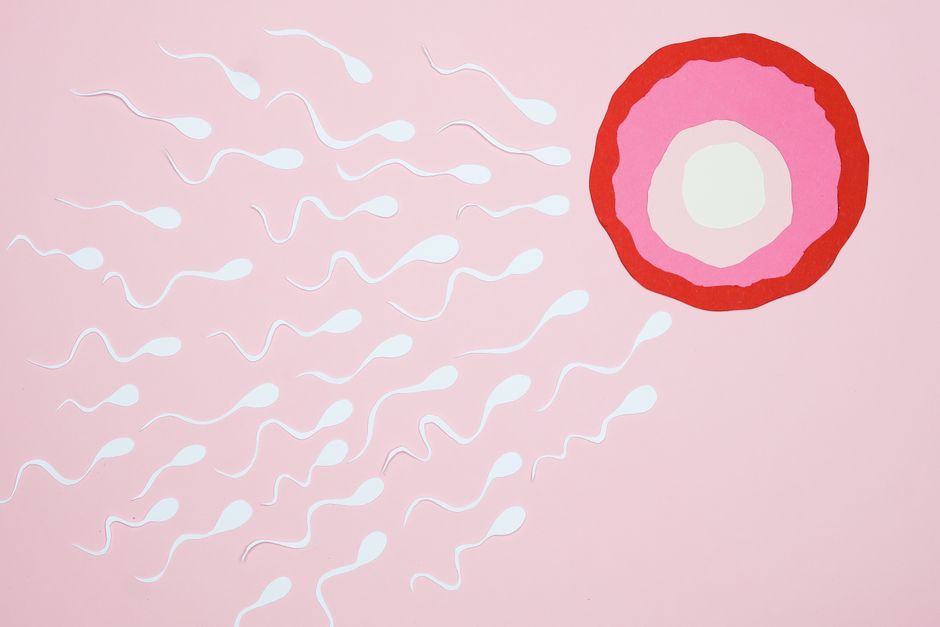
Seeing a change in your semen can be unsettling, but a clear, watery consistency is often completely normal. Semen is made up of fluid from several glands, and the balance of that fluid changes based on your health, hydration, and how recently you have ejaculated. In most cases, clear and watery semen is a temporary state, not a sign of a serious problem.
What Does It Mean When Your Sperm Is Clear And Watery?
Clear and watery semen usually means your body has not had enough time to produce a full, thick ejaculate. Sperm cells themselves make up a very small part of the total fluid volume. The thick, whitish appearance of semen comes mostly from the prostate gland and seminal vesicles. If you ejaculate frequently, your body may not replenish these fluids fast enough, resulting in a thinner, clearer sample.
Hydration also plays a role. When you are dehydrated, your body conserves water, which can make semen thicker. When you are well-hydrated, the fluid can be thinner and more watery. Neither state necessarily indicates a problem with your fertility or sperm count.
What Is Normal Semen Supposed to Look Like?
Normal semen is typically a whitish-gray, opalescent fluid. It is usually thick when first ejaculated and becomes thinner and more liquid within 15 to 30 minutes. This process is called liquefaction, and it is a normal and necessary step for sperm to travel.
The color and consistency of semen can vary from one man to another, and even from one ejaculation to the next in the same man. A clear, watery appearance is within the range of normal variation. It becomes a concern only if it is accompanied by pain, discomfort, or other unusual symptoms.
Common Causes of Clear and Watery Semen
Several everyday factors can cause your semen to appear clear and watery. The most common cause is frequent ejaculation. If you ejaculate multiple times in a day, the later ejaculations will naturally be thinner and clearer because your glands have not had time to rebuild their fluid supply.
Other contributing factors include:
- Hydration levels: Drinking more water can thin out semen.
- Age: As men age, the prostate and seminal vesicles may produce less fluid, leading to thinner ejaculate.
- Diet and nutrition: Low protein intake or low overall calorie consumption can affect glandular secretions.
- Medication: Some medications, including alpha-blockers used for blood pressure or prostate issues, can reduce seminal fluid volume.
None of these causes are dangerous, and most are easily reversible by adjusting habits or waiting a few days between ejaculations.




When Clear Semen Could Signal a Health Issue
There are situations where watery semen is worth discussing with a doctor. If the change is sudden, persistent, and accompanied by other symptoms, it may point to an underlying condition.
One such condition is retrograde ejaculation. In this condition, semen travels backward into the bladder instead of out through the urethra. This can cause a very thin or completely dry ejaculate. It is often caused by prostate surgery, diabetes-related nerve damage, or certain medications. It is not dangerous, but it can affect fertility.
Another possibility is a low sperm count, known medically as oligospermia. While the volume of semen is not directly tied to the number of sperm in it, some men with low sperm counts notice a thinner ejaculate. The only way to confirm this is through a semen analysis performed in a laboratory. A low sperm count does not change the appearance of semen reliably, so a watery appearance alone is not a reliable indicator of fertility.
Infections of the prostate or seminal vesicles, called prostatitis or seminal vesiculitis, can also change the consistency of semen. These conditions usually cause additional symptoms such as pain during ejaculation, blood in the semen, pain in the pelvic area, or burning during urination. If you have these symptoms alongside watery semen, seek medical evaluation.
Does Watery Semen Mean Low Sperm Count?
No. The volume of your ejaculate does not directly determine your sperm count. Sperm cells are microscopic and make up less than 5 percent of the total semen volume. A man can have a normal sperm count with thin, watery semen, and a man can have a low sperm count with perfectly thick semen.
If you are concerned about your fertility, the only reliable way to assess it is through a semen analysis. This test measures sperm count, motility, and morphology under a microscope. Appearance alone cannot tell you whether your sperm are healthy or plentiful.
Some research suggests that men with very low ejaculate volume — less than 1.5 milliliters, or about a third of a teaspoon — may have a higher chance of low sperm count. But this is a guideline for volume, not consistency. Clear and watery semen can still be within the normal volume range.
Can Diet and Lifestyle Change Semen Consistency?
Yes, to a degree. Semen is mostly water, protein, and fructose. Your body needs adequate hydration and nutrition to produce normal seminal fluid. Severe dehydration can make semen thicker and more concentrated. Extreme dieting or malnutrition can reduce glandular output, leading to thinner semen.
There is no food or supplement that has been proven to dramatically thicken semen. Zinc, selenium, and vitamin C are often marketed for male fertility, but the evidence for their effect on semen consistency is limited. Some studies suggest these nutrients support healthy sperm production, but they do not change the appearance of your ejaculate in a measurable way.
What does help is general health maintenance. Regular exercise, adequate sleep, stress management, and limiting alcohol and tobacco use all support normal reproductive function. These habits do not guarantee a specific semen appearance, but they do support the glands that produce seminal fluid.
When to See a Doctor
You do not need to see a doctor just because your semen looks clear and watery. This is usually a normal variation. However, you should seek evaluation if you notice any of the following:
- Sudden and persistent change in semen consistency that lasts for weeks
- Pain or burning during ejaculation
- Blood in the semen
- Pain in the testicles, pelvis, or lower back
- Difficulty urinating or a weak urine stream
- You and your partner have been trying to conceive for over a year without success
These symptoms may indicate an infection, a blockage, or a hormonal issue that deserves investigation. A urologist is the appropriate specialist to evaluate these concerns. They can perform a physical exam, order a semen analysis, and run blood tests to check hormone levels if needed.
If you are trying to conceive and are concerned about your semen, a semen analysis is the appropriate first step. This test provides objective data about your fertility that appearance alone cannot offer.
Frequently Asked Questions
Can drinking more water make semen watery?
Yes, hydration affects semen consistency, and increased fluid intake can make semen thinner. This is a normal and harmless change.
Does watery semen affect the chances of getting someone pregnant?
Not necessarily, because semen volume and sperm count are separate factors. A semen analysis is the only reliable way to assess fertility.
How long does it take for semen to become thick again?
Most men will notice a thicker ejaculate after two to three days of abstinence. The prostate and seminal vesicles need time to replenish their fluid stores.
Is clear semen a sign of a sexually transmitted infection?
Not by itself. STIs usually cause other symptoms like pain, discharge, or burning, not just a change in semen consistency.
