
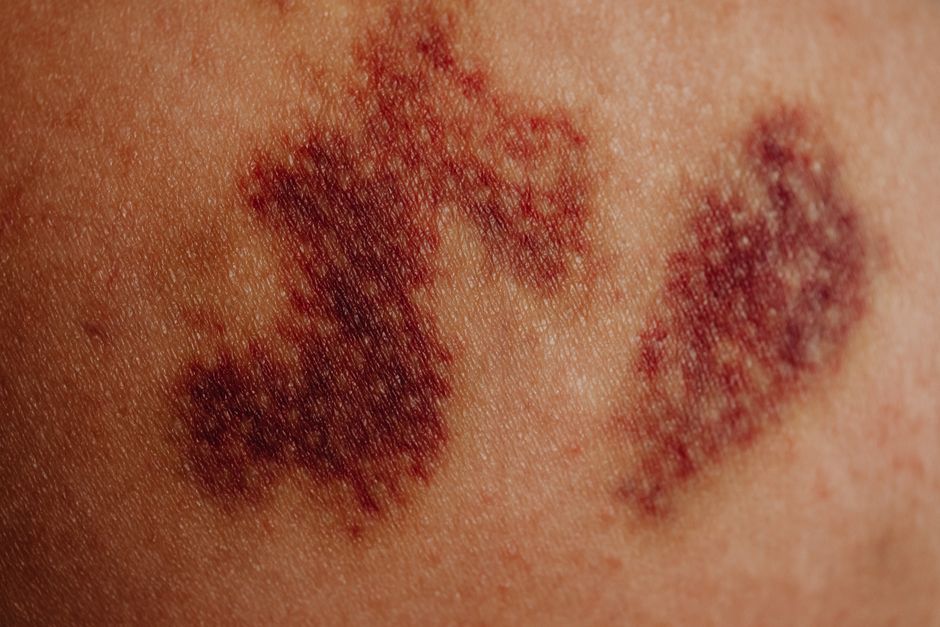
Skin that hurts to touch, without any visible rash or injury, is a real and often confusing symptom. This condition is called allodynia, and it means your nervous system is signaling pain from a stimulus that should not hurt at all. A light brush of clothing, a gentle press of a finger, or even a cool breeze can trigger sharp, burning, or aching pain. Understanding the difference between skin pain from a surface issue and pain that originates in the nerves is the first step toward finding the right help.
What Is Allodynia and Why Does It Happen?
Allodynia is the medical term for pain caused by something that does not normally provoke pain. It is a distinct change in how your nervous system processes touch. Normally, light touch sends signals to the brain that are interpreted as pressure or sensation. In allodynia, those same signals are misinterpreted as pain.
This is not a skin problem in most cases. The skin itself is usually healthy. The issue lies in the nerve pathways that carry touch signals from the skin to the spinal cord and brain. The nervous system becomes sensitized, meaning it overreacts to normal input. This can happen at the site of an injury, along a nerve pathway, or within the central nervous system itself.
What Does It Mean When Your Skin Hurts To Touch?
When your skin hurts to touch, the most common explanation is a heightened state of nerve sensitivity. The pain is real, even though no visible damage is present. It is a signal that your body’s pain detection system is firing when it should not be.
This symptom is not a diagnosis on its own. It is a clue that points toward an underlying condition. The cause can range from a recent viral infection to a chronic neurological disorder. Identifying the pattern of your pain—where it is, when it started, and what makes it worse—helps a clinician narrow down the possibilities.
It is important to note that allodynia is different from hyperalgesia. Hyperalgesia means a painful stimulus feels more painful than it should. Allodynia means a non-painful stimulus, like a light touch, feels painful. Both involve a sensitized nervous system, but they are distinct symptoms.
Common Conditions Linked to Skin Pain and Sensitivity
Several well-established medical conditions can cause skin to hurt when touched. Each has a different mechanism and pattern.
Fibromyalgia
Fibromyalgia is a chronic condition characterized by widespread musculoskeletal pain, fatigue, and tenderness. Allodynia is a core feature. People with fibromyalgia often report that their skin hurts to the touch, that clothing feels irritating, or that a pat on the back is painful. Research indicates this results from central sensitization, where the central nervous system amplifies pain signals.
Shingles and Postherpetic Neuralgia
Shingles is caused by the reactivation of the varicella-zoster virus, the same virus that causes chickenpox. Before the characteristic rash appears, many people experience burning, tingling, or pain in a specific area of skin. This prodromal phase can last for days. The skin in that area may hurt to touch. If the pain persists after the rash heals, it is called postherpetic neuralgia, a form of nerve pain that can include allodynia.
Peripheral Neuropathy
Peripheral neuropathy occurs when nerves outside the brain and spinal cord are damaged. Diabetes is a leading cause. Other causes include vitamin deficiencies, alcohol use disorder, and certain medications. Neuropathy often affects the hands and feet, producing symptoms like numbness, tingling, and pain. Allodynia can occur in the affected areas, making even the weight of a bedsheet painful.
Complex Regional Pain Syndrome (CRPS)
CRPS is a chronic pain condition that usually develops after an injury or surgery. It most often affects one limb. The pain is out of proportion to the original injury. The skin may become swollen, change color, and be extremely sensitive to touch. Allodynia is a hallmark symptom of CRPS.
Migraine
Many people with migraines experience cutaneous allodynia during or between attacks. This means their scalp or skin hurts when touched, brushed, or combed. Studies show that this sensitivity is related to sensitization of trigeminal nerve pathways. It is a common and often under-recognized symptom of migraine.
Multiple Sclerosis (MS)
MS is a disease of the central nervous system where the immune system attacks the protective covering of nerves. This damage disrupts signal transmission. Some people with MS experience dysesthesia, which is an abnormal, unpleasant sensation. This can manifest as burning, itching, or skin that hurts to touch, often in a localized area.





Other Causes and Triggers of Skin Sensitivity
Not all skin pain points to a chronic condition. Several temporary or reversible factors can cause this symptom.
- Sunburn: Damaged skin from UV exposure becomes inflamed and hypersensitive. Even light clothing can hurt against sunburned skin.
- Medication side effects: Certain chemotherapy drugs and some HIV treatments are known to cause nerve pain and skin sensitivity.
- Vitamin deficiencies: Low levels of vitamin B12 can damage nerves and lead to abnormal skin sensations.
- Autoimmune diseases: Conditions like lupus can cause skin sensitivity and nerve involvement.
- Recent viral illness: Some viruses can temporarily sensitize nerves, causing skin pain that resolves as the infection clears.
If the symptom is new and accompanied by other signs like fever, weakness, or a spreading rash, seek medical attention promptly.
When to See a Doctor
Skin pain that lasts more than a few days, is severe, or interferes with daily life warrants a medical evaluation. You should also see a doctor if the pain follows an injury, is accompanied by numbness or weakness, or comes with other symptoms like fatigue, fever, or unexplained weight loss.
A clinician will take a detailed history and perform a physical exam. They may test your sensitivity to touch, temperature, and pressure. Depending on what they find, they might order blood tests to check for diabetes, vitamin levels, or markers of inflammation. In some cases, nerve conduction studies or imaging may be recommended to assess nerve damage.
There is no single test for allodynia. The diagnosis depends on identifying the underlying cause. This process takes time and often requires a specialist, such as a neurologist or a rheumatologist.
Treatment Approaches for Sensitive Skin
Treatment depends entirely on the underlying cause. There is no universal cure for allodynia. The goal is to address the root condition and manage the pain.
For nerve-related pain, certain medications are commonly prescribed. These include drugs originally developed for depression or seizures, which have been shown to calm overactive nerve signals. Examples include amitriptyline, gabapentin, and duloxetine. These are prescription medications with side effects, and they are not appropriate for everyone. They should only be taken under the supervision of a physician.
Topical treatments can help in some cases. Lidocaine patches numb a specific area. Capsaicin cream, derived from chili peppers, can reduce substance P, a chemical involved in pain transmission. These options work best for localized pain and do not help with widespread sensitivity.
Physical therapy and gentle movement can help some people, particularly those with fibromyalgia or CRPS. The goal is to gradually desensitize the nervous system without triggering severe pain. This must be done carefully and with professional guidance.
Cognitive behavioral therapy (CBT) has evidence supporting its use for chronic pain. It does not reduce the pain signal itself, but it changes how a person responds to and copes with pain. This can significantly improve quality of life.
What Makes It Worse and What Helps
Certain factors can amplify skin sensitivity. Stress and poor sleep are strongly linked to increased pain perception. When you are exhausted or anxious, your nervous system is more reactive. Addressing sleep quality and stress management can have a measurable impact on pain levels.
For people with allodynia, tight clothing, rough fabrics, and heavy blankets can be unbearable. Choosing loose, soft clothing and using lightweight bedding can reduce the frequency of painful stimuli. This is a practical comfort measure, not a cure.
Heat and cold therapy can help some people, but responses vary widely. Some find cold packs reduce burning pain. Others find heat more soothing. There is no evidence that one works universally better than the other. It is a matter of personal trial and error, with the caveat that extreme temperatures can sometimes worsen nerve pain.
When it comes to supplements, the evidence is limited. Some research suggests that alpha-lipoic acid may help with diabetic neuropathy, but the quality of studies varies. No supplement has been proven to cure allodynia. Always tell your doctor about any supplements you take, as they can interact with medications.
Frequently Asked Questions
Why does my skin hurt when I touch it but nothing is there?
This is allodynia, a condition where your nervous system reacts to light touch as if it were painful. It is usually a sign of nerve sensitization rather than a problem with the skin itself.
Can anxiety cause skin to hurt to touch?
Stress and anxiety can increase pain sensitivity, and some people with chronic anxiety report skin pain. The evidence suggests that stress amplifies existing nerve sensitivity, but anxiety alone is rarely the sole cause.
How long does skin sensitivity from shingles last?
Sensitivity can begin before the rash appears and may last for weeks after the rash heals. If pain continues for more than three months, it is called postherpetic neuralgia and requires medical treatment.
What kind of doctor treats skin that hurts to touch?
A neurologist is the best specialist for nerve-related skin pain. A rheumatologist may be helpful if an autoimmune condition is suspected, and your primary care doctor is the right starting point for an initial evaluation.
Skin that hurts to touch is a genuine, medically recognized symptom. It is not imaginary, and it is not something you have to simply endure. The cause may be simple and temporary, or it may point to a chronic condition that needs management. Either way, the path forward begins with a medical evaluation to identify what your nervous system is trying to tell you.
