
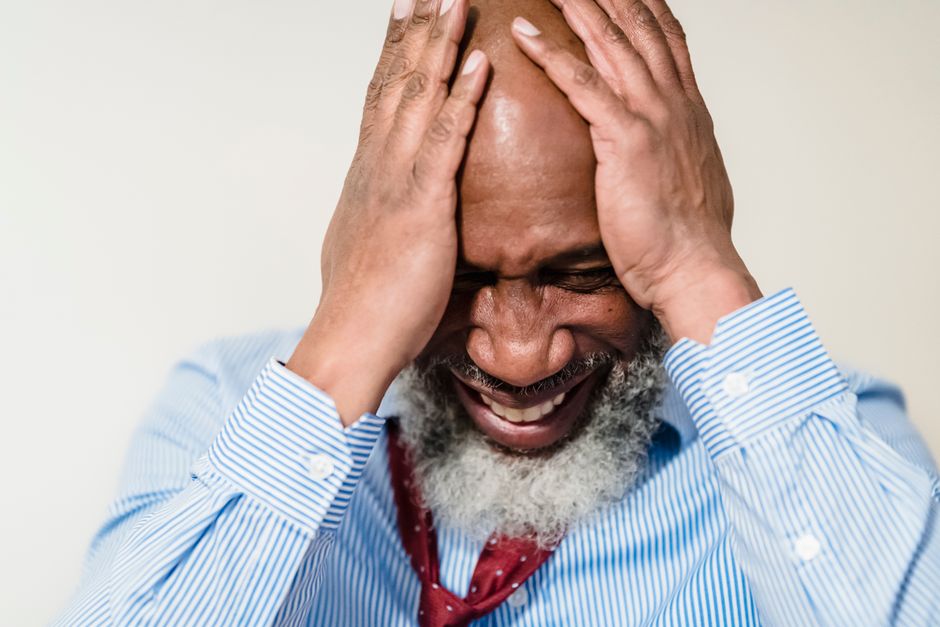
Stress feels like your body has shifted into a gear you did not choose. Your heart may beat faster, your muscles may tighten, your breathing may turn shallow, and your thoughts may race or narrow onto one problem. Some people feel it mostly in the body as headaches, stomach upset, or a clenched jaw, while others feel it mostly in the mind as worry, irritability, or a sense that something is wrong even when nothing obvious is happening.
What Does It Feel Like To Be Stressed?
Stress is a whole-body response, not just an emotion. When your brain perceives a demand or a threat, it signals the release of hormones including adrenaline and cortisol. Adrenaline acts quickly, raising heart rate and sharpening alertness. Cortisol sustains that alert state over a longer period.
That is why stress often shows up in several places at once. You might notice a tight chest, sweaty palms, a knot in your stomach, or tension in your neck and shoulders. You might feel restless, easily annoyed, or unable to concentrate. Sleep can become lighter or harder to reach.
The sensations are real and measurable. They are the body doing what it evolved to do: preparing to meet a challenge. The problem is not the response itself. The problem is when it stays switched on.
Why Does Stress Feel Different From One Person to the Next?
Two people can face the same situation and feel completely different things. That is because stress is filtered through your perception, your history, and your current health.
What counts as a threat to one person may feel routine to another. A looming deadline, a difficult conversation, or a medical test can trigger a strong response in one person and a mild one in another. Past experiences shape this. Someone who has been through a traumatic event may react more intensely to reminders of it.
Physical health matters too. Poor sleep, low blood sugar, illness, and some medications can all make the stress response feel stronger or last longer. Caffeine and alcohol can amplify it.
This is one of the less obvious points about stress: it is not just about what happens to you. It is about how your body and brain interpret what happens. That interpretation is not a character flaw. It is biology, and it can shift over time.
What Are the Physical Symptoms of Stress?
The physical signs of stress are often the easiest to notice because the body is loud about them. Common symptoms include:
- A faster or pounding heartbeat
- Shallow or rapid breathing
- Muscle tension, especially in the neck, shoulders, and jaw
- Headaches
- Stomach pain, nausea, or changes in digestion
- Fatigue that does not improve with rest
- Trouble falling or staying asleep
- Changes in appetite or sex drive
- Frequent colds or slower recovery from illness
These symptoms are not imaginary. The stress response changes blood flow, digestion, immune activity, and hormone levels. Over time, chronic activation of this system is associated with higher risk of conditions such as high blood pressure, heart disease, and type 2 diabetes. That association is well established in the research, though the exact pathways are still being studied.
It is worth saying clearly: many of these symptoms overlap with other medical conditions. A pounding heart or persistent stomach pain can have causes unrelated to stress. If symptoms are new, severe, or lasting, a doctor should evaluate them.





What Does Stress Feel Like Emotionally and Mentally?
Emotionally, stress often feels like being on edge. Small things provoke a bigger reaction than they should. You may feel irritable, overwhelmed, or close to tears. Some people feel numb or detached instead.
Mentally, stress narrows your focus. It can be harder to concentrate, remember things, or make decisions. Racing thoughts are common, especially at night. You might replay conversations or worry about things that have not happened yet.
Anxiety and stress are related but not identical. Stress is usually a response to a specific pressure or demand. Anxiety is often more persistent and can occur without a clear trigger. They frequently overlap, and both can feel similar in the body. If worry feels constant, hard to control, or interferes with daily life, that is worth discussing with a doctor or mental health professional.
Depression can also look like stress that never lifts. Persistent low mood, loss of interest, and hopelessness are signs to take seriously. These are treatable conditions, and reaching out for support is a reasonable step, not a last resort.
How Do You Know If Stress Is Becoming a Problem?
Short bursts of stress are normal and often useful. They help you meet deadlines, react to danger, and stay focused. The concern is when stress becomes chronic, meaning it persists for weeks or months without enough recovery.
Signs that stress may be tipping into a problem include:
- Sleep problems that continue despite feeling tired
- Changes in appetite or weight
- Withdrawing from people or activities you usually enjoy
- Using alcohol, drugs, or food to cope
- Feeling unable to relax even when there is nothing pressing
- Physical symptoms that do not improve with rest
Chronic stress does not just feel bad. It affects how the body regulates blood sugar, blood pressure, inflammation, and immune function. The evidence linking long-term stress to these outcomes is strong, though it is important to note that stress is one factor among many.
If you are noticing several of these signs, or if stress is affecting your work, relationships, or health, talking to a healthcare provider is a sensible next step. This is not about weakness. It is about getting the right support before things get harder.
What Helps When Stress Feels Constant?
There is no single fix for stress, and anyone who promises one is overselling. What helps is usually a combination of reducing the load, supporting the body’s recovery systems, and getting help when needed.
Things with reasonable evidence behind them include:
- Regular physical activity, which can reduce stress hormones and improve mood
- Consistent sleep schedules and enough sleep
- Slow, deliberate breathing exercises
- Mindfulness or meditation practices
- Time in nature or regular movement breaks during the day
- Talking with a therapist or counselor
- Limiting caffeine and alcohol
These approaches are not equally effective for everyone. Some people find breathing exercises helpful within minutes. Others need longer-term support like therapy or medication for anxiety or depression.
What does not help is pretending stress is not there or expecting yourself to push through indefinitely. The stress response is designed to be temporary. Giving your body chances to return to baseline is not indulgent. It is how the system is supposed to work.
If stress is tied to a specific situation like a job, a relationship, or a loss, addressing the source matters too. Coping strategies help you manage the response. They do not always fix the cause.
Frequently Asked Questions
What does stress feel like in your body?
Stress often feels like a faster heartbeat, tight muscles, shallow breathing, or a knot in your stomach. These are physical signs of the body’s stress response, not imagined symptoms.
Can stress make you feel sick?
Yes. Stress can cause headaches, nausea, stomach pain, and fatigue, and over time it is associated with higher risk of conditions like high blood pressure. If symptoms are new or severe, a doctor should check them.
How do I know if my stress is too much?
If stress lasts for weeks, disrupts sleep, affects your appetite, or makes it hard to function, it may be more than a passing phase. Talking to a healthcare provider can help you figure out what support you need.
Is stress the same as anxiety?
They are related but not the same. Stress usually responds to a specific pressure, while anxiety can persist without a clear trigger and often needs different support.
