
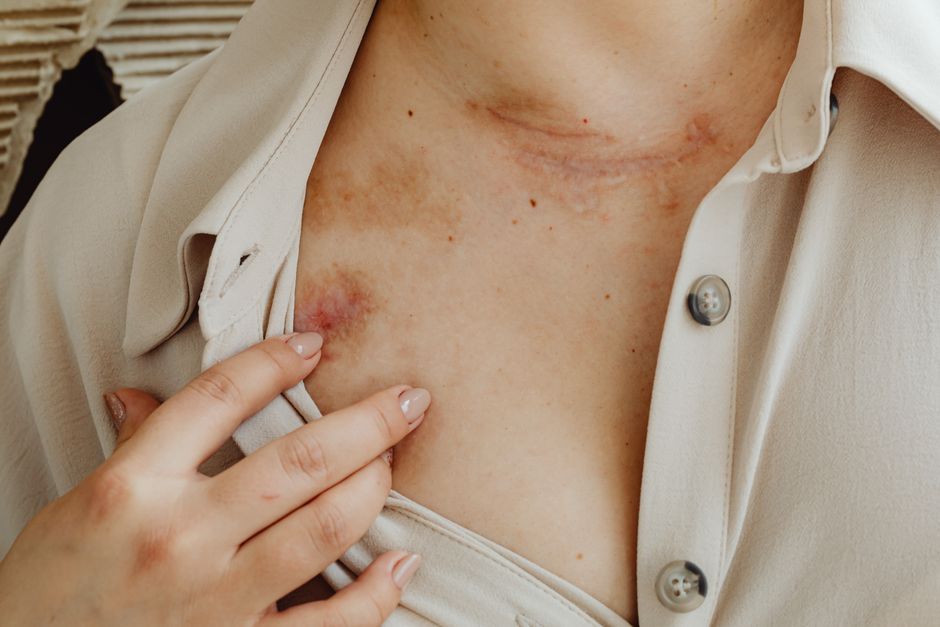
Iodine is a time-tested antiseptic that kills a wide range of microorganisms, including bacteria, viruses, and fungi, on the skin’s surface. When applied to a wound, it reduces the microbial load, which helps prevent infection and allows the body’s natural healing process to proceed. It is most effective on clean, minor cuts and scrapes, but it must be used correctly to avoid damaging healthy tissue.
How Does Iodine Kill Bacteria in a Wound?
Iodine works by penetrating the cell walls of microorganisms and disrupting their essential proteins and enzymes. This process, called oxidation, rapidly deactivates the microbes, stopping them from multiplying and causing an infection. It is a broad-spectrum antiseptic, meaning it is effective against many different types of pathogens, which is why it has been a staple in medicine for over a century.
Unlike some antibiotics that target a specific bacterial function, iodine attacks multiple cellular structures at once. This multi-targeted action makes it very difficult for bacteria to develop resistance to it. For this reason, iodine remains a reliable first-line defense in wound care, even in an era of increasing antibiotic resistance.
What Forms of Iodine Are Used for Wounds?
Not all iodine products are the same. The form you choose matters significantly for safety and effectiveness. The most common types available over the counter include povidone-iodine solution and povidone-iodine ointment.
Povidone-iodine is a complex of iodine and a carrier molecule that makes the iodine water-soluble and less irritating than pure iodine. It is commonly sold under brand names like Betadine. The solution is typically used to prep skin before surgery, while the ointment is often applied to minor wounds. Another form, called cadexomer iodine, is used in specialized dressings for chronic wounds like venous leg ulcers, but it is typically prescribed by a clinician.
What Does Iodine Do For Wounds: The Healing Process
Iodine’s primary role is infection prevention, not direct tissue repair. By keeping the bacterial count low, it creates a cleaner environment where the body’s own immune cells can do their work. In a wound with fewer bacteria, inflammation is reduced, and the skin cells can migrate across the wound bed more efficiently to close the gap.
However, iodine does not speed up the formation of new tissue. It simply removes an obstacle—infection—that would otherwise slow the process down. Some research suggests that certain iodine formulations may have a mild positive effect on inflammation, but the main benefit remains its antimicrobial action. If a wound is already clean and free of debris, adding iodine may not make it heal faster than a simple saline rinse.





Is Iodine Safe for All Types of Wounds?
Iodine is safe for many minor wounds, but it is not appropriate for every situation. It should not be used on deep puncture wounds, animal bites, or large burns without medical guidance. In these cases, the risk of tissue damage or trapping bacteria inside the wound outweighs the antiseptic benefit.
You should also avoid using iodine on wounds that are already showing signs of healing, such as those with new pink tissue forming. Iodine can be toxic to fibroblasts, the cells responsible for producing collagen and new skin. This is why healthcare providers often recommend stopping iodine use once a wound is clean and moving toward closure.
People with thyroid conditions, especially those with a history of thyroid disease, should be cautious with repeated topical iodine use. Some iodine can be absorbed through the skin, and prolonged use on large wounds has been linked to thyroid function changes. If you have a thyroid disorder, talk to a doctor before using iodine-based antiseptics.
How to Apply Iodine to a Minor Wound
Proper application is key to getting the benefit without the harm. First, wash your hands with soap and water. Then, gently clean the wound with mild soap and running water to remove dirt and debris. Pat the area dry with a clean towel.
Apply a thin layer of povidone-iodine ointment or a small amount of solution to the wound and the surrounding skin. Let it dry for a minute or two. Cover the wound with a sterile bandage or gauze if it is in an area that may get dirty or rub against clothing. Change the dressing daily, and reapply iodine only if the wound still appears at risk of contamination.
Do not use iodine indefinitely. Once the wound has formed a clean scab or is showing clear signs of healing, stop the iodine and switch to simple soap and water cleansing. Prolonged use can delay healing and cause skin irritation.
Iodine vs. Other Antiseptics: Which Is Better?
Several antiseptics are commonly used for wound care, and each has distinct characteristics. Choosing the right one depends on the wound type, location, and your personal health history.
| Antiseptic | Best Used For | Considerations |
|---|---|---|
| Povidone-iodine | Minor cuts, scrapes, pre-surgical skin prep | Broad-spectrum; can be irritating; avoid on large wounds in thyroid patients |
| Hydrogen peroxide | Initial cleaning of dirty wounds | Can damage healthy tissue; not recommended for repeated use |
| Rubbing alcohol | Skin before injections, not open wounds | Too harsh for wound beds; causes tissue damage and stinging |
| Chlorhexidine | Skin antisepsis, chronic wound cleansing | Effective but can be toxic to inner ear and eyes; use with caution |
Hydrogen peroxide and rubbing alcohol were once popular choices, but modern wound care guidelines advise against them for routine use because they damage the cells needed for healing. Iodine, when used in the right concentration, offers a better balance of antimicrobial power and tissue safety for minor wounds.
When Should You See a Doctor Instead?
Iodine is not a substitute for professional medical care in certain situations. You should see a doctor if a wound is deep, gaping, or will not stop bleeding after 10 minutes of direct pressure. Also seek medical attention if the wound was caused by a dirty or rusty object, an animal bite, or if you have not had a tetanus shot in the last 5 to 10 years.
Signs of infection include increasing pain, redness spreading beyond the wound edge, warmth, swelling, pus, or a fever. If you notice any of these, stop self-treatment and see a healthcare provider. You may need a prescription antibiotic or professional debridement to remove dead tissue.
Does Iodine Work on Chronic Wounds?
Chronic wounds, such as diabetic foot ulcers or pressure sores, are a different challenge than acute cuts. These wounds often have a high bacterial load and a layer of dead tissue that prevents healing. Iodine-based dressings, particularly those containing cadexomer iodine, have been studied for these situations.
Some research indicates that these dressings can reduce bacterial burden and promote healing in chronic wounds. However, chronic wound care is complex and should be managed by a healthcare professional. Self-treating a diabetic ulcer with over-the-counter iodine is not recommended, as these wounds require specialized assessment and often multiple treatment strategies.
What Are the Risks of Using Iodine?
Iodine is generally safe when used correctly, but it is not without risks. The most common side effect is skin irritation, which appears as redness, itching, or a burning sensation. This is more likely with higher concentrations or prolonged exposure.
Allergic reactions to iodine are rare but possible. Symptoms can include hives, swelling, or difficulty breathing, though these are more common with medical imaging contrast agents than with topical wound care. If you experience any signs of a severe allergic reaction, seek emergency medical care immediately.
As mentioned, systemic absorption is a concern with large wounds or repeated use. This can affect thyroid function, particularly in individuals with pre-existing thyroid conditions. For minor wounds on healthy adults, the absorbed amount is typically negligible.
Frequently Asked Questions
Can I use iodine on an open wound?
Yes, you can use povidone-iodine on a minor open wound like a cut or scrape.
Apply a thin layer once daily and stop once the wound begins to heal and form a scab.
Does iodine sting when applied to a cut?
Some stinging or burning is normal, especially on raw or freshly cleaned wounds.
The sensation usually fades within a minute and is less severe than with rubbing alcohol.
How long should I keep iodine on a wound?
Leave iodine on the wound for a few minutes to allow it to dry before covering it.
Do not use it for more than a few days unless a doctor advises otherwise.
Is iodine better than hydrogen peroxide for cuts?
For most minor cuts, iodine is generally preferred because it is less damaging to healthy tissue.
Hydrogen peroxide can be used once to clean a dirty wound, but repeated use slows healing.
