
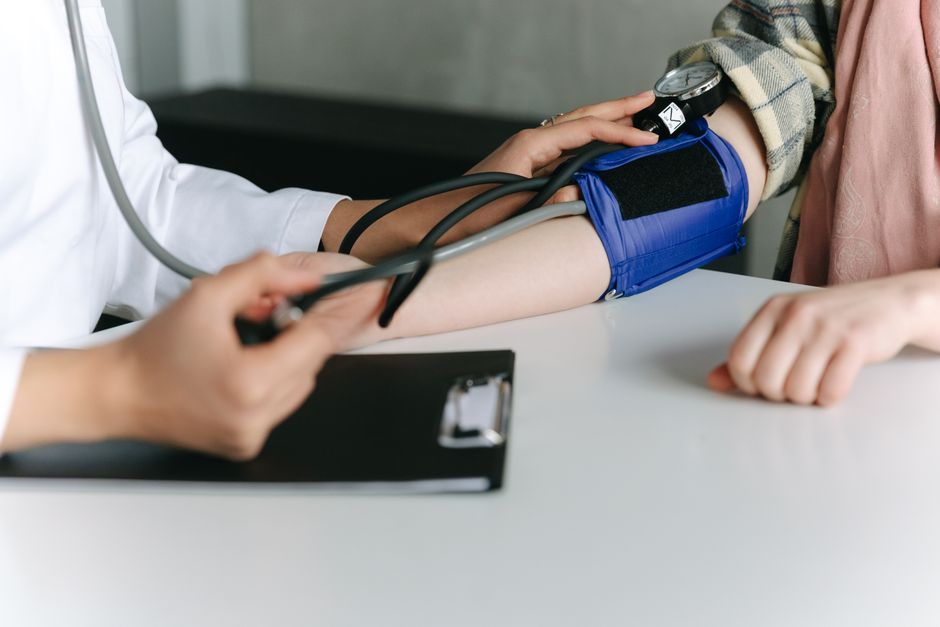
Hypertension means your blood pressure stays higher than normal over time. It is one of the most common conditions in the United States, and it usually causes no symptoms at all. Left untreated, it damages the heart, brain, kidneys, and blood vessels — which is why it is often called the “silent killer.” It is also one of the most treatable conditions in medicine.
What Does Hypertension Mean?
Blood pressure is the force of blood pushing against the walls of your arteries as your heart pumps. It is measured with two numbers. The top number, systolic pressure, is the force when your heart beats. The bottom number, diastolic pressure, is the force between beats.
A reading of 120/80 mm Hg is considered normal. Hypertension is generally defined as readings of 130/80 mm Hg or higher on repeated measurements. The word “hypertension” itself just means high pressure — it does not mean you are tense, anxious, or stressed. That is one of the most common misunderstandings about the condition.
One reading does not make a diagnosis. Blood pressure naturally rises and falls through the day. It is usually highest in the morning and lower during sleep. Many people have higher readings in a doctor’s office than at home, a pattern called white coat hypertension. Because of this, diagnosis typically requires multiple elevated readings over time, sometimes confirmed with at-home monitoring.
What Causes High Blood Pressure?
In the large majority of cases, there is no single identifiable cause. This is called primary or essential hypertension. It develops gradually over years through a combination of genetics, age, and lifestyle factors.
Arteries stiffen with age, which raises pressure. The kidneys regulate how much fluid and sodium the body holds, and small changes in that system can shift blood pressure over time. The nervous system and hormone signals also play a role. No one of these is “the” cause — they interact.
A smaller share of cases have a specific, identifiable cause. This is called secondary hypertension. It can result from kidney disease, certain hormone disorders, sleep apnea, or narrowing of the arteries that supply the kidneys. Some medications, including certain pain relievers, decongestants, and hormonal contraceptives, can also raise blood pressure.
Secondary hypertension is more likely to be suspected when blood pressure is very high, appears suddenly, or does not respond well to standard treatment. If a cause is found and treated, blood pressure often improves.
Factors That Raise Risk
- Getting older — risk rises steadily with age
- Family history of high blood pressure
- Excess body weight
- High sodium intake
- Low potassium intake
- Heavy or regular alcohol use
- Physical inactivity
- Chronic stress and poor sleep
These are risk factors, not guarantees. Many people with several risk factors never develop hypertension, and some with none still do.
What Are the Risks of Untreated Hypertension?
Persistently high pressure damages arteries throughout the body. The damage is cumulative and usually silent for years. This is why the condition matters even when you feel completely fine.
In the heart, high pressure forces the heart muscle to work harder. Over time the muscle thickens and becomes less efficient, which can lead to heart failure. High pressure also speeds up the buildup of plaque in the coronary arteries, raising the risk of heart attack.
In the brain, damaged arteries raise the risk of stroke — both from blocked vessels and from bleeding. Hypertension is among the strongest modifiable risk factors for stroke. It is also linked to a type of gradual cognitive decline that can develop over many years.
The kidneys contain millions of tiny filtering vessels. High pressure damages them slowly, and kidney function can decline without any warning signs. In the eyes, the small vessels of the retina can be damaged, which is one reason eye exams can reveal signs of long-standing high blood pressure.
In the arteries themselves, chronic high pressure weakens the vessel wall. This can cause an aneurysm — a bulge that can rupture if it grows large enough. It also contributes to peripheral artery disease, which reduces blood flow to the legs.
The key point is that all of these outcomes are more likely when high blood pressure goes untreated for years. Lowering blood pressure reduces the risk of each of them.





What Are the Symptoms of Hypertension?
Most people with high blood pressure have no symptoms. That is the central fact about this condition. You cannot feel your blood pressure rising, and you cannot tell when it is high by how you feel.
Some people assume that headaches, nosebleeds, or a flushed face mean their pressure is up. These symptoms are not reliable signs of hypertension. Headaches can occur with extremely high readings, but they are not a dependable warning. Relying on how you feel is the main reason high blood pressure goes undetected for years.
When symptoms do appear, they usually mean blood pressure has reached a severe level. Warning signs can include severe headache, chest pain, shortness of breath, vision changes, or confusion. These are medical emergencies and require immediate care.
The only reliable way to know your blood pressure is to measure it. Regular checks — at home or at a clinic — are the standard way to catch it early.
How Is Hypertension Treated?
Treatment depends on how high your blood pressure is, your overall health, and your other risk factors. For mild elevations, lifestyle changes alone may be enough. For higher readings or people with additional risks, medication is usually part of the plan.
Lifestyle changes are not a soft option. They can meaningfully lower blood pressure. Reducing sodium, increasing potassium from food, losing excess weight, exercising regularly, limiting alcohol, and improving sleep all have evidence behind them. The effect of any single change varies from person to person.
When medication is needed, several classes are commonly used. These include diuretics, ACE inhibitors, angiotensin receptor blockers, calcium channel blockers, and others. Each works through a different mechanism. Many people need more than one medication to reach their target, and that is normal — not a sign of failure.
Your target blood pressure depends on your age, other conditions, and overall risk. A clinician sets this individually. In general, the goal is to bring pressure into a safer range and keep it there. Blood pressure control is a long-term effort, not a short course of treatment.
Common Treatment Approaches at a Glance
| Approach | How It Works | Typical Role |
|---|---|---|
| Sodium reduction | Lowers fluid retention and vessel tension | First-line lifestyle step |
| Weight loss | Reduces the workload on the heart | Lifestyle step when weight is a factor |
| Regular exercise | Improves vessel function | Lifestyle step for most people |
| Diuretics | Help the kidneys remove excess sodium and water | Often used alone or with other drugs |
| ACE inhibitors / ARBs | Relax blood vessels by blocking a hormone signal | Common first-line medications |
| Calcium channel blockers | Relax and widen blood vessels | Common first-line medications |
This table is a general overview, not a treatment plan. Which approach fits you depends on your specific situation, and only a clinician can decide that.
Can High Blood Pressure Be Prevented?
Prevention and treatment overlap heavily. The same habits that lower high blood pressure also help prevent it in the first place, and they matter most for people with a family history or other risk factors.
Cutting back on sodium is one of the most studied steps. Much of the sodium in the average diet comes from processed and restaurant foods rather than the salt shaker. Getting more potassium from foods like beans, leafy greens, and bananas can help counter sodium’s effects — though people with kidney disease should check with a clinician before increasing potassium.
Regular physical activity, keeping weight in a healthy range, limiting alcohol, and not smoking all support healthier blood pressure. Sleep matters more than many people realize. Sleep apnea is a common and often overlooked contributor to high blood pressure, and treating it can improve readings.
Prevention is not a guarantee. Some people do everything right and still develop hypertension because of genetics or age. That is not a personal failing — it is biology. The goal is to lower risk and catch problems early, not to achieve perfect control.
Why Monitoring Matters
Because hypertension usually has no symptoms, monitoring is the only way to know where you stand. Home blood pressure monitors are widely available, and measuring at home can give a more complete picture than occasional clinic visits.
When measuring at home, use a validated upper-arm cuff, sit quietly for a few minutes first, keep your feet flat, and rest your arm at heart level. Take readings at roughly the same times each day. Bring your log to medical appointments — patterns over time are more useful than any single number.
If your readings are consistently high, see a clinician. If they are extremely high and you have symptoms like chest pain, severe headache, or trouble breathing, seek emergency care right away.
Frequently Asked Questions
What does hypertension mean in simple terms?
It means your blood pressure stays higher than normal over time. Normal is around 120/80 mm Hg, and hypertension is generally defined as 130/80 mm Hg or higher on repeated readings.
Can you feel high blood pressure?
Most people cannot feel it, which is why it is called the silent killer. Headaches and nosebleeds are not reliable signs, so the only way to know is to measure it.
What are the main risks of untreated hypertension?
Untreated high blood pressure raises the risk of heart attack, stroke, heart failure, kidney damage, and vision problems. These risks build up over years, often without any symptoms along the way.
Is hypertension curable?
It is usually manageable rather than curable, and treatment is typically long term. Lifestyle changes and medication can bring pressure into a safer range, but stopping treatment often lets it rise again.
