
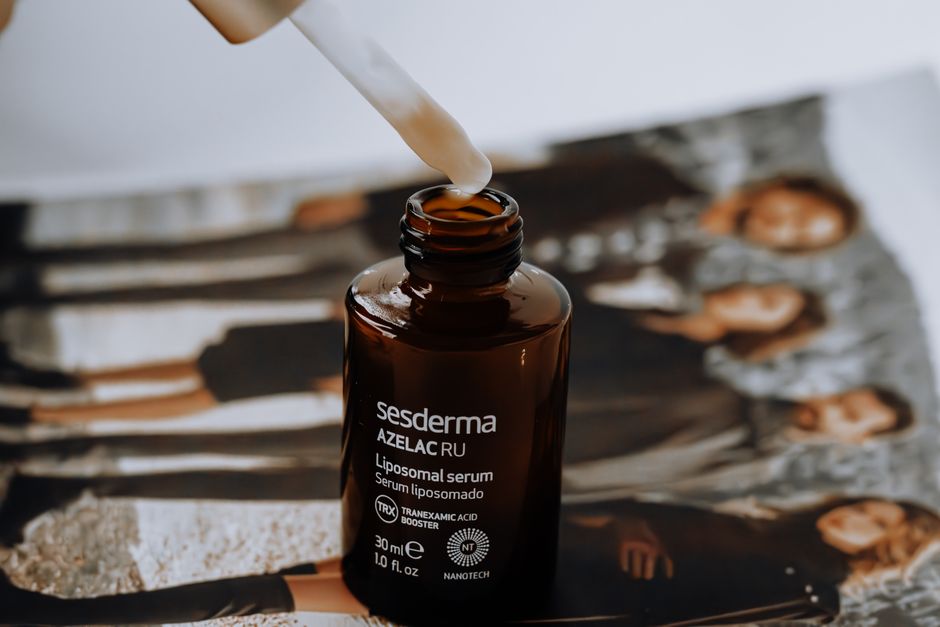
Hyaluronic acid is a natural molecule already present in your skin, eyes, and joints. Its main job in the skin is to hold water, acting like a sponge that keeps tissues lubricated and moist. When applied topically in skincare products, it draws moisture into the outer layer of skin, which reduces the look of fine lines and gives skin a plumper, smoother appearance.
What Does Hyaluronic Acid Do For Your Skin?
Hyaluronic acid works as a humectant. A humectant is a substance that pulls water from the environment and from deeper layers of the skin into the outermost layer. This is why skin looks fuller and feels softer shortly after you apply a serum containing it.
One molecule of hyaluronic acid can hold up to 1,000 times its weight in water. In healthy young skin, it helps maintain volume and elasticity. As you age, natural levels decline, which contributes to dryness and the formation of wrinkles. Replacing it topically does not restore your skin’s natural supply, but it does provide temporary surface hydration that improves appearance.
It is important to understand the difference between topical application and injectable fillers. Topical products only affect the outermost layers of skin. Injectable hyaluronic acid fillers are placed deeper by a clinician to add volume. These are two different uses with different results.
How Does Hyaluronic Acid Compare to Other Moisturizers?
Most moisturizers work by trapping water already in the skin. Ingredients like petrolatum, shea butter, and ceramides form a barrier that prevents water loss. Hyaluronic acid works differently. It actively attracts water to the skin surface rather than just sealing it in.
For this reason, hyaluronic acid works best when applied to slightly damp skin. If the air around you is very dry, a humectant can pull water from your skin toward the surface where it evaporates. This can leave skin drier than before. Layering a standard moisturizer over hyaluronic acid prevents this by sealing the water in.
Many dermatologists recommend using both. A humectant brings water to the skin. An occlusive ingredient keeps it there. Using only hyaluronic acid in a dry climate may not give you the results you expect.
What Are the Proven Benefits of Hyaluronic Acid Serums?
Clinical studies have shown that topical hyaluronic acid improves skin hydration and reduces the depth of fine lines. Results appear within weeks of regular use, not hours. The effects are temporary and reverse once you stop using the product.
Benefits that research supports include:
- Improved skin hydration and reduced water loss
- Reduced appearance of fine lines and wrinkles
- Smoother skin texture
- Improved skin elasticity in some studies
What research does not support is the claim that low-molecular-weight hyaluronic acid penetrates deeply enough to change skin structure. Most evidence points to surface-level effects. Some manufacturers claim their products “plump from within” or “stimulate your own production.” No large human trials have confirmed these claims.



Does the Molecular Weight of Hyaluronic Acid Matter?
Hyaluronic acid comes in different molecular sizes. Standard or high-molecular-weight hyaluronic acid has large molecules that sit on the skin surface and hold water there. Low-molecular-weight versions have smaller molecules that can penetrate slightly deeper into the epidermis.
Both types have benefits, but they do different things. High-molecular-weight versions provide immediate surface hydration. Low-molecular-weight versions may reach deeper layers but also carry a slightly higher risk of skin irritation.
Many quality serums contain a blend of both sizes. This is a formulation choice rather than a proven superiority of one type. When choosing a product, the concentration of total hyaluronic acid matters less than the overall formulation and how it feels on your skin.
Who Should Use Hyaluronic Acid and Who Should Avoid It?
Hyaluronic acid is generally well tolerated by most skin types, including sensitive skin. It is not an exfoliant and does not irritate the skin barrier like some active ingredients such as retinoids or alpha-hydroxy acids.
People with very dry skin benefit most when they combine it with a richer moisturizer. People with oily skin can use lightweight hyaluronic acid gels without adding heavy oils. It is one of the few skincare ingredients that works across nearly all skin types without major side effects.
Allergic reactions are rare but possible. If you develop redness, itching, or stinging after applying a product, stop using it. Patch testing a new product on your inner forearm for a few days before applying it to your face is a reasonable precaution.
Pregnant and breastfeeding women can use topical hyaluronic acid. It is not absorbed into the bloodstream in meaningful amounts when applied to the skin. That said, no large clinical trials have specifically studied topical hyaluronic acid in pregnancy, so the evidence base is limited rather than definitive.
Can Hyaluronic Acid Be Combined with Other Skincare Ingredients?
Hyaluronic acid pairs well with most other ingredients. It does not compete with vitamin C, retinoids, niacinamide, or peptides. In fact, many dermatologists recommend using hyaluronic acid alongside these ingredients to reduce dryness that retinoids can cause.
A common routine is to apply hyaluronic acid to damp skin after cleansing, then follow with a moisturizer. If you use prescription retinoids at night, applying hyaluronic acid first can buffer the skin and reduce irritation. This is common clinical practice, though the buffering effect is based on clinical experience rather than large controlled trials.
There is no evidence that combining hyaluronic acid with other ingredients causes harmful reactions. It is one of the safest ingredients in modern skincare.
What Results Can You Realistically Expect?
Hyaluronic acid will not permanently change your skin. It will not erase deep wrinkles, tighten sagging skin, or replace the volume lost with age. Marketing photos that show dramatic before-and-after differences are typically taken immediately after application when the skin is maximally hydrated.
Realistic expectations include a smoother skin texture, reduced appearance of fine dehydration lines, and a more radiant complexion. These benefits last only as long as you continue using the product regularly.
For deeper wrinkles or significant volume loss, injectable hyaluronic acid fillers are a medical treatment with different results. These are administered by licensed clinicians and are outside the scope of over-the-counter skincare.
How Long Does It Take to See Results?
Some immediate improvement in skin smoothness appears within hours of first application. This is purely a hydration effect. Sustained improvement in fine lines typically requires several weeks of daily use as the skin’s moisture content increases.
If you stop using hyaluronic acid, skin returns to its baseline appearance within days to weeks. There is no permanent benefit. This is not a flaw in the ingredient; it simply reflects how it works as a temporary moisturizing agent rather than a structural treatment.
Frequently Asked Questions
Can hyaluronic acid clog pores?
No, hyaluronic acid is non-comedogenic and does not clog pores. It is a water-based ingredient suitable for acne-prone skin.
Should I apply hyaluronic acid before or after moisturizer?
Apply hyaluronic acid to clean, damp skin first, then follow with your moisturizer. This order allows the hyaluronic acid to pull water in and the moisturizer to seal it there.
Is hyaluronic acid safe for daily use?
Yes, hyaluronic acid is safe for daily use in both morning and evening routines. It rarely causes irritation and can be used alongside most other active ingredients.
Does drinking hyaluronic acid supplements help your skin?
Oral hyaluronic acid supplements are marketed for skin and joint health, but clinical evidence for skin benefits is limited. Some studies show modest improvements in skin moisture, but larger, well-controlled trials are still needed.
