
Honey is one of the oldest natural sweeteners, but it is also a common ingredient in hair care products and DIY hair masks. Research shows that honey can help moisturize the hair, soothe the scalp, and add shine. It works as a humectant, meaning it draws moisture from the air into the hair shaft, and it has natural antibacterial properties that can support scalp health. While honey is not a cure for hair loss or a replacement for medical treatments, it is a well-supported option for improving hair texture and managing a dry, itchy scalp.
What Does Honey Do To Your Hair Benefits And Uses?
Honey benefits hair primarily through three mechanisms: moisture retention, scalp soothing, and mild antibacterial action. Because honey is a humectant, it pulls water into the outer layer of the hair, which reduces frizz and makes strands feel softer. This is a physical property, not a marketing claim — humectants are widely used in commercial conditioners for the same reason.
On the scalp, honey’s antibacterial and anti-inflammatory properties can help with conditions like mild dandruff or dryness. Some research suggests that raw honey diluted with water can reduce scalp itching and flaking when applied regularly. However, the studies are small, and honey should not replace medicated treatments for serious scalp conditions like psoriasis or fungal infections.
Is Honey Good for All Hair Types?
Honey works well for most hair types, but the way you use it matters. People with dry, curly, or coily hair often benefit most because these hair types lose moisture quickly. Honey helps lock in hydration and smooth the cuticle, which can reduce breakage from combing and styling.
People with fine or oily hair should use honey more carefully. Because it attracts moisture, it can weigh down thin hair or make an oily scalp feel greasier. If you have fine hair, apply honey mainly to the lengths and ends rather than the roots. For oily hair, a honey rinse followed by thorough washing is a better option than leaving a mask on for a long time.
Honey is generally safe for color-treated hair. It does not strip dye, and its moisturizing effect can actually help colored hair feel less brittle. Still, always do a patch test on a small section of hair before applying it all over, especially if you have recently used chemical treatments.
How to Use Honey on Your Hair
There are several practical ways to use honey in your hair routine. The simplest is a honey rinse: mix one to two tablespoons of raw honey with two to three cups of warm water, pour it over your hair after shampooing, leave it for a few minutes, and rinse thoroughly. This adds softness without leaving residue.
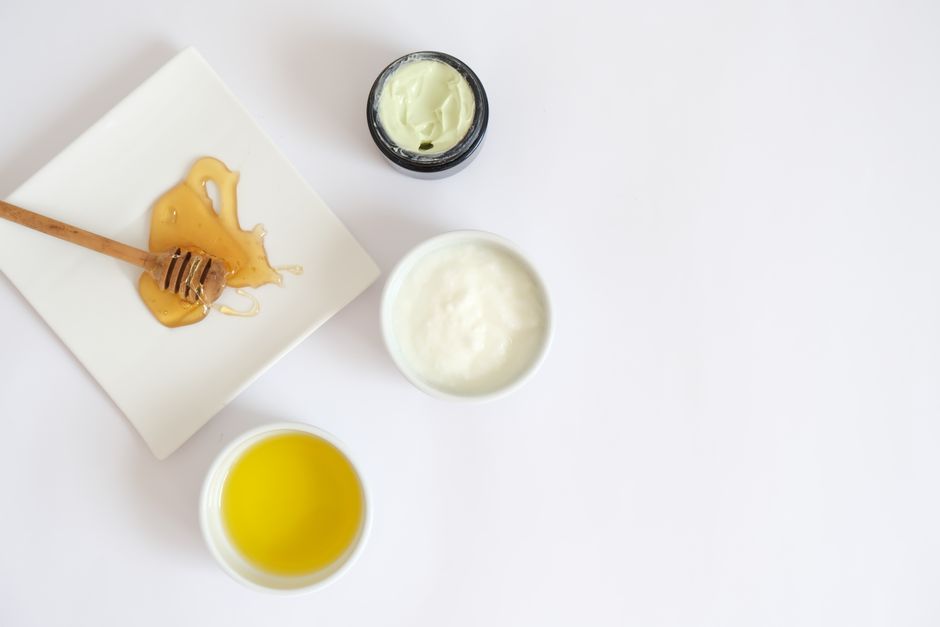
A honey mask is more intensive. Combine two tablespoons of honey with one tablespoon of a carrier oil such as coconut, olive, or jojoba oil. Apply to damp hair, focusing on the ends, and leave it on for 20 to 30 minutes. Rinse with warm water and shampoo as usual. This works well for deep conditioning once a week.
For scalp care, dilute honey with water at a ratio of about 1 part honey to 4 parts water. Massage it into the scalp, leave it for 15 to 20 minutes, and rinse. This dilution matters — undiluted honey is thick and sticky, and it can be difficult to wash out, which may lead to buildup.
Always use raw or unprocessed honey when possible. Processed honey found in most grocery stores has been heated and filtered, which reduces some of its beneficial enzymes and antibacterial compounds. Raw honey retains more of these natural properties, though both types will still moisturize.




Does Honey Help With Hair Growth?
Honey does not directly stimulate hair growth. No clinical evidence shows that honey alone can regrow hair or speed up the growth cycle. What honey can do is create a healthier scalp environment, which may indirectly support growth by reducing inflammation and dryness.
If your hair is breaking off because it is dry and brittle, honey can reduce breakage. Less breakage means your hair can retain length over time, which looks like faster growth. But if you are experiencing actual hair loss — thinning patches, excessive shedding, or receding hairlines — honey will not address the underlying cause. Hair loss often involves hormonal factors, genetics, or medical conditions, and those require proper evaluation by a healthcare provider.
What the Research Says About Honey and Hair
Most of the research on honey and hair focuses on scalp conditions rather than hair growth. One well-known study examined raw honey diluted with water applied to people with seborrheic dermatitis and dandruff. Participants applied the honey mixture every other day for four weeks, and the researchers reported significant improvement in itching and scaling. This study was small, but it is one of the few clinical trials on this topic.
Other research has looked at honey as a wound-healing agent. Honey’s antibacterial and anti-inflammatory properties are well documented in wound care, and these same properties likely contribute to its effects on the scalp. However, the scalp is not the same as a wound, and results from wound studies do not automatically transfer to hair care.
Some research suggests that honey may help with certain types of hair loss caused by scalp inflammation. But this evidence is preliminary, and no large human trials have confirmed honey as a treatment for any form of alopecia. Be cautious of products that claim honey can cure hair loss — that claim goes beyond what the evidence supports.
Honey vs. Other Natural Hair Ingredients
Honey is often compared to other natural moisturizers like aloe vera, coconut oil, and shea butter. Each works differently, and they are not interchangeable.
| Ingredient | Main Action | Best For |
|---|---|---|
| Honey | Humectant — draws moisture in | Dry, frizzy hair; itchy scalp |
| Coconut oil | Emollient — seals moisture in | Coarse, damaged hair; protein loss |
| Aloe vera | Soothing, lightweight hydration | Sensitive scalp; fine hair |
| Shea butter | Heavy occlusive — locks in moisture | Very dry, thick, or coily hair |
Honey is unique because it adds moisture rather than just sealing it in. Coconut oil and shea butter create a barrier on the hair, which prevents water loss. Honey actively pulls water from the environment into the hair. This makes honey particularly useful in humid climates, but less effective in very dry environments where there is little moisture in the air to attract.
Risks and Side Effects of Using Honey on Hair
Honey is safe for most people, but there are a few things to keep in mind. People with pollen allergies may experience skin irritation when honey touches the scalp. If you have a known allergy to bees or bee products, avoid using honey on your skin entirely.
Honey is sticky, and removing it completely can be difficult. If you do not rinse thoroughly, honey residue can attract dirt and dust, leading to buildup and dullness. This is why diluting honey with water or oil is important — it makes rinsing easier.
Do not leave honey on your hair overnight unless it is heavily diluted. Undiluted honey can dry into a hard crust, which is very difficult to wash out and can cause tangling and breakage when you try to remove it. A 20-to-30-minute application is sufficient for most benefits.
Should You Use Honey or a Commercial Hair Product?
Commercial hair products that contain honey are formulated to deliver the benefits without the mess. They typically combine honey with emulsifiers and preservatives that make the product spread evenly and rinse out easily. If you want the convenience, a commercial honey shampoo or conditioner is a reasonable choice.
However, be aware that honey is often listed far down the ingredient list in commercial products, meaning the actual amount is small. A DIY honey mask gives you a much higher concentration. If you prefer natural, single-ingredient products and do not mind the extra rinsing time, raw honey from a reliable source is the more potent option.
There is no evidence that commercial honey products are more effective than plain honey. The choice comes down to convenience and personal preference. Neither option is harmful, and both can improve hair softness and manageability.
Frequently Asked Questions
Can I leave honey in my hair overnight?
Leaving undiluted honey on your hair overnight is not recommended because it can dry into a hard crust that is difficult to remove. If you want a longer treatment, dilute honey with water or a carrier oil and limit it to a few hours.
How often should I use honey on my hair?
Once a week is a good starting point for most people. If your hair is very dry, you can use a honey rinse more frequently, but a full mask more than twice a week is unnecessary.
Does honey lighten hair color?
Honey contains trace amounts of hydrogen peroxide, which can slightly lighten hair over time with repeated use. This effect is mild and usually not noticeable, but it is a reason to be cautious if you have very dark or color-treated hair.
Can honey cure dandruff?
Honey can reduce mild dandruff symptoms like itching and flaking due to its antibacterial and anti-inflammatory properties. It is not a cure for chronic dandruff or seborrheic dermatitis, and persistent cases should be evaluated by a dermatologist.
