

A hemoglobin A1C test tells you what your average blood sugar has been over the past two to three months. A high result means your blood sugar has been running above normal for weeks, not just on the day you were tested. It is one of the most reliable ways to detect prediabetes and diabetes, and it can also flag your risk for heart, kidney, and nerve problems down the road.
What Does High Hemoglobin A1C Mean For Your Health?
A high A1C means too much glucose has been attaching to your hemoglobin — the protein inside red blood cells that carries oxygen. When blood sugar is elevated, glucose sticks to hemoglobin in a process called glycation. Because red blood cells live about three months, the percentage of hemoglobin that is glycated reflects your average blood sugar over that window.
Doctors use A1C both to diagnose diabetes and to track how well treatment is working. For most adults, a result below 5.7% is considered normal. A result between 5.7% and 6.4% falls in the prediabetes range. A result of 6.5% or higher on two separate tests generally supports a diagnosis of diabetes.
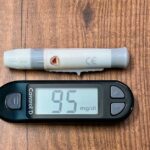
What makes A1C different from a blood glucose meter reading is perspective. A single glucose reading is a snapshot — it can spike after a meal or drop after exercise. A1C is more like a long-exposure photograph. It shows the pattern, not the moment.
How Is A1C Different From a Fasting Glucose Test?
Both tests measure blood sugar, but they answer different questions. A fasting glucose test measures your blood sugar at one point in time, after you have not eaten for at least eight hours. A1C measures the average over roughly two to three months.
This distinction matters because the two tests do not always agree. Someone can have a normal fasting glucose and still have an elevated A1C, or the reverse. That happens because blood sugar fluctuates throughout the day, especially after meals. A fasting test can miss post-meal spikes that push the average up over time.
A1C also has practical advantages. It does not require fasting, and it is not affected by a single stressful day or a poor night of sleep. That said, it has limitations. Conditions that affect red blood cell lifespan — such as sickle cell trait, recent blood loss, or certain anemias — can make A1C results less reliable. In those cases, doctors may use other tests, like a glucose tolerance test or continuous glucose monitoring.
What A1C Ranges Mean
The table below shows the standard categories used by most clinical guidelines. These numbers apply to adults without conditions that affect red blood cell turnover.
| A1C Result | Category |
|---|---|
| Below 5.7% | Normal |
| 5.7% to 6.4% | Prediabetes |
| 6.5% or higher | Diabetes (confirmed on two tests) |
These thresholds are well established and widely used. What they do not tell you is how fast your blood sugar is rising or falling, or how much it varies day to day. Two people with the same A1C can have very different daily glucose patterns. That is one reason some clinicians now use continuous glucose monitors alongside A1C for a fuller picture.




What Causes a High A1C?
The underlying cause is almost always insulin resistance, a condition where your cells respond poorly to insulin. The pancreas keeps making insulin, often more than usual, but the body cannot use it efficiently. Over time, blood sugar rises.
Several factors contribute to insulin resistance and elevated A1C:
- Excess body fat, particularly around the abdomen
- Physical inactivity
- Genetic predisposition
- Certain medications, including some steroids and antipsychotics
- Sleep problems, including sleep apnea
- Chronic stress
Type 1 diabetes is a different situation. It occurs when the immune system attacks insulin-producing cells in the pancreas. A1C rises because the body cannot produce enough insulin at all. This is less common and usually develops earlier in life.
There are also less common causes of high A1C that have nothing to do with diabetes. Iron deficiency anemia, for example, can falsely elevate A1C because it affects how long red blood cells survive. This is why an isolated high A1C should always be interpreted alongside other tests and your overall health picture.
Can a High A1C Be Lowered?
Yes. In prediabetes and early type 2 diabetes, A1C often responds well to lifestyle changes. The evidence here is strong. Large trials have consistently shown that modest weight loss, regular physical activity, and dietary changes can lower A1C and reduce the risk of progressing to diabetes.
What works is not complicated, though it is not easy:
- Losing a modest amount of weight if you carry extra pounds
- Moving more — even walking regularly helps
- Eating fewer refined carbohydrates and more fiber
- Getting enough sleep
- Managing stress where possible
For people with diagnosed diabetes, medication is often part of the plan. Metformin remains the most commonly prescribed first-line drug for type 2 diabetes. Other classes of medication work in different ways — some increase insulin sensitivity, some increase insulin release, and some help the kidneys remove excess glucose.
What no single intervention does is lower A1C overnight. Changes typically show up on an A1C test after about three months, which is the length of a red blood cell’s life. This is why doctors usually wait at least three months before rechecking after a treatment change.
What Health Risks Come With a High A1C?
Sustained high blood sugar damages blood vessels and nerves over time. The higher the A1C and the longer it stays elevated, the greater the risk. This is not a theory — it is one of the best-documented relationships in medicine.
Complications linked to long-term elevated A1C include:
- Heart disease and stroke
- Kidney damage (diabetic nephropathy)
- Nerve damage, especially in the feet and hands
- Vision problems, including retinopathy
- Poor wound healing and higher risk of infection
Prediabetes carries risk too, though at lower levels. People with A1C in the prediabetes range are more likely to develop type 2 diabetes, and some research suggests they may already have a modestly increased risk of heart disease. This is one reason prediabetes is treated as a warning rather than a waiting room.
What is encouraging is that lowering A1C reduces these risks. The relationship is not perfectly linear, and individual outcomes vary. But the direction is consistent: better blood sugar control over time means fewer complications.
When Should You Get Your A1C Checked?
Most guidelines recommend A1C screening starting at age 35 for adults without symptoms, with repeat testing every three years if results are normal. Earlier or more frequent testing is often recommended for people with risk factors like obesity, a family history of diabetes, or a history of gestational diabetes.
If you have symptoms of high blood sugar — excessive thirst, frequent urination, blurred vision, unexplained fatigue — you should be tested sooner rather than waiting for a routine screening.
A1C is not a perfect test. It can be misleading in certain medical conditions, and it does not capture day-to-day glucose swings. But for most people, it remains one of the most useful single numbers in preventive medicine. It tells a story about your health that no single glucose reading can.
Frequently Asked Questions
What A1C level is considered diabetic?
An A1C of 6.5% or higher on two separate tests generally supports a diagnosis of diabetes. A single elevated result is usually confirmed with a repeat test unless symptoms are clear.
Can a high A1C be reversed?
In prediabetes and early type 2 diabetes, A1C can often be lowered through weight loss, diet changes, and increased physical activity. Whether it returns to the normal range depends on how long blood sugar has been elevated and other individual factors.
Does a high A1C always mean diabetes?
No. An A1C between 5.7% and 6.4% indicates prediabetes, not diabetes. Some medical conditions, like iron deficiency anemia, can also falsely raise A1C results.
How often should A1C be tested?
For adults without diabetes, screening every three years starting at age 35 is common guidance. People with diabetes or prediabetes are usually tested more often, sometimes every three to six months.
