
Hemoglobin, often shortened to Hgb or Hb, is the oxygen-carrying protein inside your red blood cells. A hemoglobin test measures how much of this protein is in your blood. That single number tells your doctor whether your blood can deliver enough oxygen to your organs, and it is one of the most common blood test results you will ever see.
You will find Hgb on a complete blood count (CBC), the standard panel ordered at annual physicals, before surgery, during pregnancy, and whenever fatigue or unusual bleeding needs investigating. It is not a diagnosis on its own. It is a measurement that points toward what is happening in your body.
What Does Hgb Measure Hemoglobin Test Explained
A hemoglobin test measures the concentration of hemoglobin in a set volume of blood, usually reported in grams per deciliter (g/dL). Hemoglobin is a protein built around iron. It binds oxygen in your lungs and releases it in tissues that need it. Each red blood cell holds a large amount of hemoglobin, so the Hgb number reflects both how many red blood cells you have and how well each one is loaded.
Because hemoglobin does the actual oxygen transport, the test is really a measure of your blood’s oxygen-carrying capacity. A low result means less oxygen delivery. A high result means the blood is unusually concentrated with hemoglobin, which can happen for several reasons.
The test is usually part of a CBC, which also reports red blood cell count, hematocrit, and red cell indices like MCV (average cell size). Doctors read Hgb alongside these values. Hemoglobin alone can be misleading. For example, a person who is dehydrated can have a normal-looking hemoglobin while their actual red cell mass is low, because the blood is concentrated.
What Are Normal Hemoglobin Ranges?
Normal hemoglobin ranges differ by sex and age. The commonly cited adult reference ranges are:
- Adult men: about 13.5 to 17.5 g/dL
- Adult women: about 12.0 to 15.5 g/dL
These figures are standard reference intervals used by most laboratories, though exact cutoffs vary slightly between labs. Children have different ranges that change with age, and pregnancy typically lowers hemoglobin because blood volume expands faster than red cell production.
Reference ranges describe where most healthy people fall. They are not a strict boundary between sick and well. A result just outside the range may be normal for you, and a result inside the range does not rule out a problem. This is why doctors interpret Hgb with your symptoms, history, and other test results rather than in isolation.
What Does a Low Hemoglobin Result Mean?
Low hemoglobin means anemia. That is the medical term for having fewer red blood cells or less hemoglobin than normal, which reduces oxygen delivery to tissues. Anemia is very common and has many causes, so a low Hgb is a starting point for investigation, not a final answer.
The most frequent cause worldwide is iron deficiency. Iron is essential for making hemoglobin, and when iron stores run low, hemoglobin production falls. Iron deficiency can result from blood loss (heavy menstrual periods, gastrointestinal bleeding), low dietary intake, or poor absorption. Other causes of low hemoglobin include vitamin B12 or folate deficiency, chronic kidney disease (the kidneys produce erythropoietin, a hormone that signals red cell production), chronic inflammation, and inherited conditions like thalassemia or sickle cell disease.
Symptoms of anemia can include fatigue, shortness of breath with exertion, pale skin, dizziness, and a rapid heartbeat. Some people with mild anemia notice nothing at all, which is why the blood test matters. Symptoms alone are an unreliable guide to how low hemoglobin has fallen.
One clarification worth knowing: a low hemoglobin does not by itself tell you why it is low. The size of your red cells (MCV) and other markers help point toward the cause. Small cells often suggest iron deficiency or thalassemia. Large cells often suggest B12 or folate deficiency. Normal-sized cells can occur with blood loss, kidney disease, or other conditions. This is why the full CBC matters.
What Does a High Hemoglobin Result Mean?
High hemoglobin means the blood carries more hemoglobin than the reference range. This can be appropriate or inappropriate, and the distinction matters.
Sometimes high hemoglobin is a normal response. People living at high altitude, smokers, and those with chronic lung disease can have elevated hemoglobin because their bodies compensate for lower oxygen levels by making more red cells. Dehydration can also raise the measured concentration by shrinking blood volume, even though the total amount of hemoglobin has not changed.
Other times, high hemoglobin reflects a primary blood disorder called polycythemia, in which the bone marrow makes too many red blood cells. This is less common and requires medical evaluation. High hemoglobin thickens the blood, which can increase the risk of clotting. Any unexpectedly high result should be discussed with a doctor rather than assumed to be harmless.
How Is the Hemoglobin Test Done?
The test requires a small blood sample, usually drawn from a vein in your arm. You generally do not need to fast for a hemoglobin test, though if it is part of a larger panel your doctor may ask you to fast for other tests. Results usually come back within a day or so, depending on the lab.
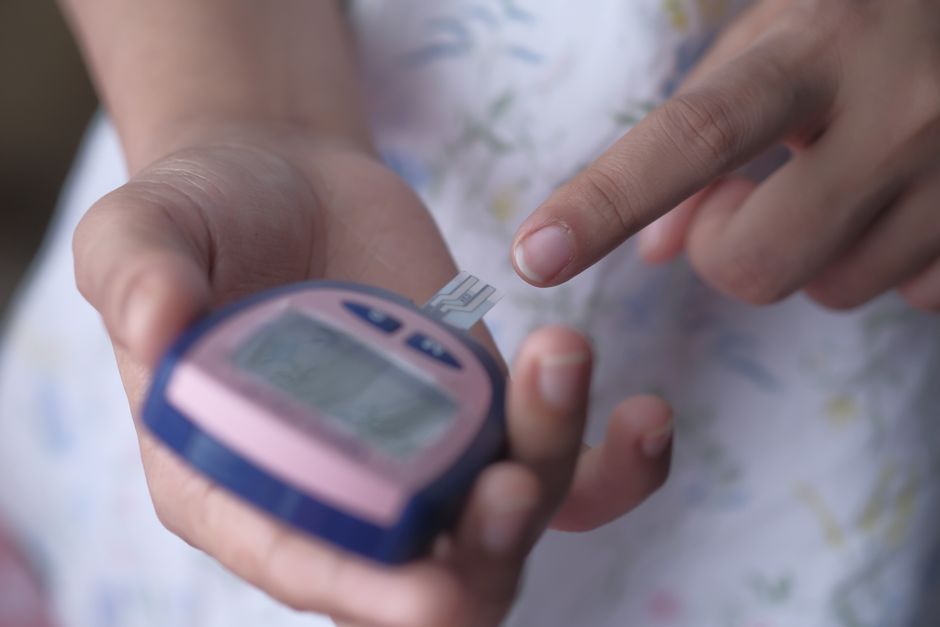
A finger-prick test can also measure hemoglobin, and this is common in blood donation settings and some clinics. Finger-prick results can differ slightly from venous results, so a low finger-prick reading is often confirmed with a venous sample.
Hemoglobin is measured directly by automated laboratory instruments. The result is highly reproducible, which is why it is trusted as a core measure. The interpretation, not the measurement, is where clinical judgment comes in.
How Hemoglobin Relates to Other Blood Values
Hemoglobin rarely stands alone. Understanding how it connects to nearby values helps you read your results more clearly.
| Test | What it measures | How it relates to Hgb |
|---|---|---|
| Hemoglobin (Hgb) | Oxygen-carrying protein concentration | The core measure of oxygen-carrying capacity |
| Hematocrit (Hct) | Percentage of blood volume made up of red cells | Usually moves in the same direction as Hgb |
| Red blood cell count (RBC) | Number of red cells per volume | Can be normal while Hgb is low if cells are poorly loaded |
| MCV | Average red cell size | Helps identify the cause of anemia |
A useful rule of thumb: hematocrit is roughly three times the hemoglobin value in a healthy person. If the two numbers disagree, it can signal an issue with the sample or an underlying condition worth discussing with your doctor.
When Should You Ask About Your Hemoglobin?
Ask about your hemoglobin if you have persistent fatigue, shortness of breath, unusual paleness, or a family history of anemia or blood disorders. Also ask if you have heavy periods, a known bleeding source, or a diet low in iron-rich foods.
If your result is outside the reference range, the next step is usually a conversation, not panic. Your doctor will consider your symptoms, repeat testing if needed, and order follow-up tests to find the cause. Treatment depends entirely on what is causing the abnormal value. Iron deficiency anemia, for example, is often addressed by finding and treating the source of blood loss along with iron replacement, while other anemias require different approaches.
Hemoglobin is one of the most informative numbers on a routine blood panel. It answers a simple question: is your blood carrying enough oxygen? The answer, read alongside the rest of your results, helps your doctor understand how your body is doing.
Frequently Asked Questions
What does Hgb measure on a blood test?
Hgb measures the amount of hemoglobin, the oxygen-carrying protein, in your blood, reported in grams per deciliter. It reflects your blood’s capacity to deliver oxygen to your organs.
What is a normal hemoglobin level?
Common adult reference ranges are about 13.5 to 17.5 g/dL for men and 12.0 to 15.5 g/dL for women, though exact ranges vary slightly by laboratory. Children and pregnant women have different expected ranges.
Does low hemoglobin always mean iron deficiency?
No. Iron deficiency is the most common cause worldwide, but low hemoglobin can also result from vitamin B12 or folate deficiency, kidney disease, chronic inflammation, blood loss, or inherited conditions. The full blood count helps point toward the cause.
Can dehydration affect a hemoglobin test?
Yes. Dehydration concentrates the blood and can make hemoglobin read higher than it would otherwise, even when total red cell mass is unchanged. Hydration status is one reason results are interpreted alongside other values.
