
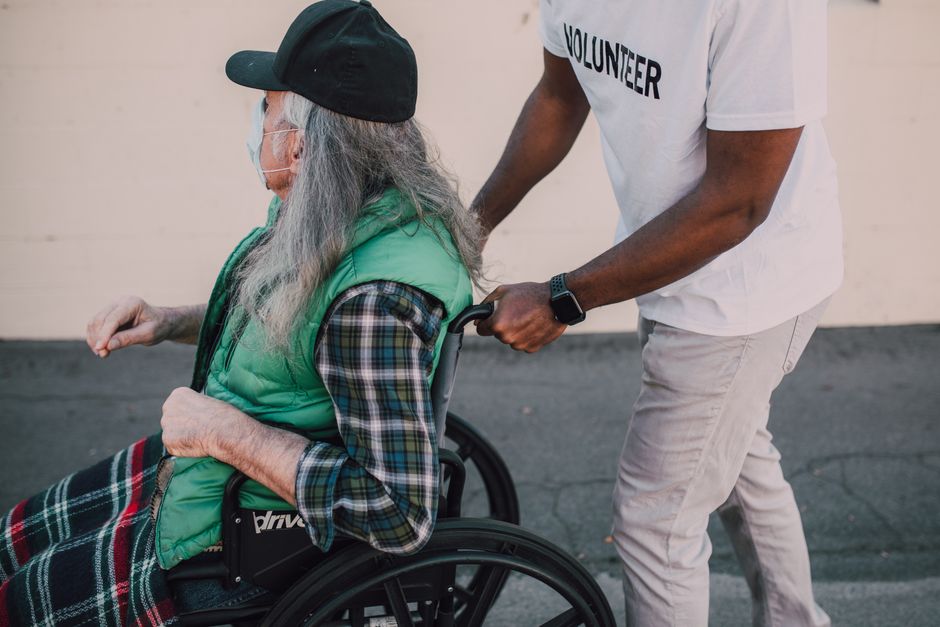
Hemiparesis means weakness on one side of the body. It is not the same as paralysis — a person with hemiparesis can still move the affected arm or leg, but the movement is weaker and less controlled than normal. The most common cause is a stroke, though brain injuries, tumors, infections, and some neurological conditions can also produce it. It affects roughly one side of the face, arm, and leg together, because the brain pathways that control movement cross over before reaching the body.
What Does Hemiparesis Mean And What Causes It?
Hemiparesis is one-sided muscle weakness. The word breaks into “hemi” (half) and “paresis” (weakness). It can affect the face, arm, leg, or all three on the same side. When the weakness is complete and the person cannot move that side at all, the correct term is hemiplegia, not hemiparesis. Many people use the words interchangeably, but they describe different degrees of loss.
The cause almost always sits in the brain or spinal cord, not in the weak limb itself. The limb is fine. The signal telling it to move is disrupted somewhere along the pathway from the brain to the muscle. That pathway is called the corticospinal tract, and it is the main highway for voluntary movement.
Here is the detail that matters: the left side of the brain controls the right side of the body, and the right side of the brain controls the left side of the body. The nerve fibers cross over near the base of the brain. So weakness on the right side points to a problem on the left side of the brain, and the reverse is also true. This crossing is why a person who has weakness on one side gets imaging of the opposite side of the brain.
Stroke is by far the most common cause. An ischemic stroke blocks blood flow to part of the brain. A hemorrhagic stroke bleeds into or around brain tissue. Both starve brain cells of oxygen, and those cells stop sending movement signals. Other causes include traumatic brain injury, brain tumors, cerebral palsy, multiple sclerosis, and infections such as encephalitis or brain abscess. Transient ischemic attack, sometimes called a mini-stroke, can cause temporary hemiparesis that resolves.
What Is the Difference Between Hemiparesis and Hemiplegia?
Hemiparesis is partial weakness. Hemiplegia is full paralysis of one side. The difference is a matter of degree, not of location. Both involve the same one-sided pattern and the same underlying causes.
In practice, the line between them is not always sharp. A person may start with hemiplegia right after a severe stroke and gradually regain some movement, shifting into hemiparesis. Someone else may have mild hemiparesis that never progresses. Doctors often describe severity using a scale rather than a fixed label.
There is also a related term worth knowing. Hemispatial neglect is different from hemiparesis. In neglect, the brain does not register one side of the body or space, even though strength may be relatively preserved. It most often follows right-hemisphere damage and is a separate problem from weakness.
What Are the Symptoms of Hemiparesis?
The core symptom is reduced strength on one side. Beyond that, the picture varies with the cause and the part of the brain involved.
- Weakness in one arm, one leg, or both on the same side
- Drooping on one side of the face
- Trouble with balance or walking
- Difficulty gripping objects or lifting the arm
- Muscle stiffness or spasticity, which can develop over time
- Reduced fine motor control in the hand
- Changes in sensation on the affected side
- Slurred speech or trouble swallowing if certain brain areas are involved
Weakness that appears suddenly is a medical emergency. Sudden one-sided weakness, facial droop, or trouble speaking can signal a stroke, and stroke treatment is time-sensitive. The widely used FAST reminder covers Face drooping, Arm weakness, Speech difficulty, and Time to call emergency services. Anyone with these signs needs emergency care immediately, not a wait-and-see approach.
Weakness that develops slowly over weeks or months points in a different direction. A growing tumor or a progressive condition tends to produce gradual changes rather than a sudden event. The speed of onset is one of the most useful clues a doctor uses.





How Is Hemiparesis Diagnosed?
Diagnosis starts with a physical and neurological exam. The doctor checks strength on both sides, tests reflexes, and looks at coordination, sensation, and facial movement. Comparing the two sides is central to the exam.
Imaging usually follows. A CT scan or MRI of the brain can show a stroke, bleed, tumor, or other structural problem. Which test comes first depends on the situation. In a suspected acute stroke, a CT scan is often done quickly to rule out bleeding before treatment decisions are made.
Other tests may be used depending on what the exam suggests. These can include blood tests, an electroencephalogram if seizures are a concern, or a lumbar puncture if infection is suspected. The goal is to find the cause, because the cause shapes the treatment.
How Is Hemiparesis Treated and Managed?
Treatment targets the underlying cause first. For an ischemic stroke, clot-dissolving medication or a procedure to remove the clot may be an option, but only within a narrow time window and only for certain patients. For a tumor, surgery, radiation, or other cancer treatment may be considered. For an infection, antibiotics or antivirals are used. This is where established clinical guidance is strongest, and it is why getting a clear diagnosis matters so much.
Once the cause is addressed, rehabilitation is the main path to recovery. Physical therapy works on strength, balance, and walking. Occupational therapy focuses on daily tasks like dressing, eating, and using the hands. Speech therapy helps with language and swallowing when those are affected.
A key point about recovery: the brain can reorganize to some degree after injury, a property called neuroplasticity. This is the biological basis for why therapy can help. But the amount of recovery varies widely from person to person, and no treatment guarantees a specific outcome. Some people regain substantial function. Others have lasting weakness. Recovery is often fastest in the first few months, then tends to slow, though improvement can continue for much longer.
Some clinicians also use medications to reduce muscle stiffness, or botulinum toxin injections for spasticity in specific muscles. These are used in selected patients and are not right for everyone. Constraint-induced movement therapy, which pushes the person to use the weaker limb, has been studied for stroke recovery and is used in some rehabilitation programs.
What Is the Outlook for Someone With Hemiparesis?
Outlook depends heavily on the cause, the size and location of the brain injury, the person’s age, and how quickly treatment and therapy begin. There is no single answer that applies to everyone.
Small strokes often leave milder weakness with better recovery than large ones. Damage to certain brain areas causes more lasting problems than damage elsewhere. Younger people tend to recover more function than older adults, though this is a general pattern and not a rule for any one person.
The evidence on recovery timelines is honest but limited. Most clinicians observe that the greatest gains happen early, but predicting exactly how much function a specific person will regain is not something current medicine can do reliably. Anyone who offers a guaranteed outcome is overstating what is known.
When Should You Seek Emergency Care?
Sudden one-sided weakness is a stroke until proven otherwise. Call emergency services right away if weakness, facial drooping, or speech trouble appears suddenly. Do not drive yourself and do not wait to see if it passes.
Time matters because some stroke treatments only work within a short window after symptoms begin. Every minute of delay can mean more brain tissue lost. Even if symptoms improve on their own, that can be a warning sign of a coming stroke and still needs urgent evaluation.
For weakness that develops gradually, see a doctor promptly rather than waiting. Gradual onset is less likely to be an emergency, but it still needs a cause identified. A careful workup is how serious conditions get caught early.
Frequently Asked Questions
What does hemiparesis mean in simple terms?
It means weakness on one side of the body, usually affecting the face, arm, and leg on the same side. The person can still move the affected side, just with less strength and control than normal.
What is the most common cause of hemiparesis?
Stroke is the most common cause. Other causes include traumatic brain injury, brain tumors, cerebral palsy, multiple sclerosis, and brain infections.
Is hemiparesis the same as hemiplegia?
No. Hemiparesis is partial weakness, while hemiplegia is complete paralysis of one side. They share the same causes but differ in how much movement is lost.
Can hemiparesis be reversed?
Some people regain function, especially with early rehabilitation, but recovery varies widely and no treatment guarantees a full return of strength. The amount of improvement depends on the cause and the extent of the brain injury.
