
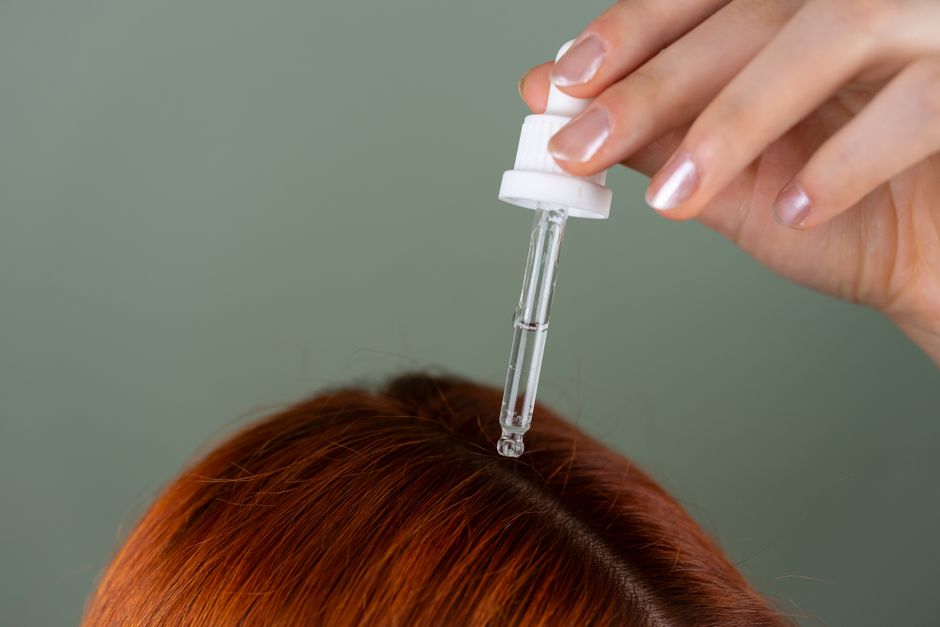
Hair growth is one of the most visible signs of what is happening inside your body. When your hair is growing normally, it usually means your body is getting the nutrients it needs and your hormones are balanced. When hair growth slows down, speeds up, or stops entirely, it can be an early clue that something in your health has changed. Most of the time, changes in hair growth are temporary and treatable, but understanding what your hair is telling you can help you catch underlying issues sooner rather than later.
What Does Normal Hair Growth Look Like?
Hair grows in cycles, not continuously. Each hair follicle on your scalp follows its own timeline of growth, rest, and shedding. Understanding this cycle is the first step to knowing whether your hair is healthy or signaling a problem.
The average person loses between 50 and 100 hairs per day. This is normal shedding, not hair loss. Each hair follicle goes through three phases: anagen (growth), catagen (transition), and telogen (resting and shedding). About 90 percent of your scalp hair is in the growth phase at any given time.
Scalp hair grows about half an inch per month. That rate can slow slightly with age, but a dramatic slowdown or sudden increase in shedding is not a normal part of aging. If you notice your part widening, your ponytail feeling thinner, or clumps of hair in the drain, that is worth paying attention to.
What Does Hair Growth Say About Your Health?
Hair growth reflects your overall health because hair follicles are among the most metabolically active cells in your body. They require significant energy, oxygen, and nutrients to keep producing hair. When your body is under stress or lacking resources, it prioritizes essential organs over hair growth. This makes hair a sensitive early indicator of internal imbalance.
Hair is also highly responsive to hormones. Thyroid hormones, sex hormones, and stress hormones all directly influence the hair growth cycle. When these hormones shift, your hair shifts with them. That is why doctors often look at hair changes when investigating hormonal disorders.
In short, healthy hair growth suggests your body has the nutrients, hormones, and energy reserves to support non-essential functions. Poor hair growth suggests something is diverting resources away from your hair. The specific pattern of hair change often points toward the underlying cause.
Can Nutrient Deficiencies Slow Hair Growth?
Yes. Hair follicles need specific nutrients to produce keratin, the protein that makes up hair. When these nutrients are missing, hair growth slows and shedding increases.
Iron deficiency is one of the most common causes of hair thinning, especially in women. Iron helps red blood cells carry oxygen to hair follicles. Without enough iron, follicles cannot produce new hair efficiently. Low ferritin, which is stored iron, has been linked to hair loss even when blood counts appear normal.
Vitamin D deficiency is also associated with hair thinning. Vitamin D receptors are present in hair follicles, and research suggests vitamin D plays a role in the hair growth cycle. Some studies have found that people with certain types of hair loss have lower vitamin D levels than people without hair loss.
Other nutrients that matter for hair include:
- Biotin and B-complex vitamins for keratin production
- Zinc for tissue growth and repair
- Protein, since hair is almost entirely protein
- Omega-3 fatty acids for scalp health
If you suspect a deficiency, ask your doctor for a blood test. Taking supplements without knowing your levels can cause more harm than good, especially with iron and zinc, which can build up to toxic levels.





Do Hormonal Changes Affect Hair Growth?
Hormones have a direct and powerful effect on hair growth. Thyroid disorders are a classic example. Both hypothyroidism and hyperthyroidism can cause hair thinning across the entire scalp. Thyroid hormone regulates metabolism in hair follicles, and when thyroid levels are off, hair growth cycles are disrupted.
Sex hormones also play a major role. Androgens, including testosterone and its byproduct DHT, can shrink hair follicles over time. This is the mechanism behind androgenetic alopecia, commonly known as male or female pattern baldness. This type of hair loss is genetic and progressive, but it can be managed with treatment.
Pregnancy and childbirth cause dramatic hormonal shifts. Many women experience thicker hair during pregnancy because high estrogen levels keep hair in the growth phase longer. After delivery, estrogen drops and large numbers of hairs enter the shedding phase at once. This is called telogen effluvium and it is temporary, though it can be alarming.
Menopause brings declining estrogen and progesterone. Many women notice thinning hair during this transition because the balance of hormones shifts toward androgens. This change is gradual and may respond to treatments that address hormonal balance.
What Medical Conditions Cause Hair Growth Changes?
Hair growth changes can signal several underlying medical conditions. Recognizing the pattern helps narrow down the possibilities.
Telogen effluvium is a temporary condition where large numbers of hair follicles enter the resting phase at the same time. It typically occurs two to three months after a stressful event such as illness, surgery, rapid weight loss, or emotional trauma. The hair loss is diffuse, meaning it happens all over the scalp rather than in one spot. This condition usually resolves on its own within six months.
Alopecia areata is an autoimmune condition where the immune system attacks hair follicles. It causes round patches of hair loss on the scalp or elsewhere on the body. In most cases, hair regrows on its own, but the condition can be unpredictable and may require treatment.
Polycystic ovary syndrome (PCOS) is a hormonal disorder that affects women. It causes elevated androgen levels, which can lead to thinning hair on the scalp and excess hair growth on the face or body. Irregular periods, acne, and weight gain often accompany the hair changes.
Other conditions that can affect hair growth include:
- Autoimmune diseases such as lupus
- Skin conditions like psoriasis or seborrheic dermatitis
- Chronic infections
- Uncontrolled diabetes
- Pituitary or adrenal gland disorders
If your hair changes come with other symptoms like fatigue, weight changes, skin problems, or irregular periods, see a doctor. Hair loss alone is rarely an emergency, but it can be a valuable diagnostic clue.
Can Stress Really Cause Hair Loss?
Yes, and the connection is well documented. Severe stress triggers the release of cortisol and other stress hormones. These hormones can push hair follicles into the resting phase prematurely, leading to increased shedding two to three months later.
This type of hair loss is called telogen effluvium, and it is one of the most common causes of temporary hair shedding. The hair loss usually stops once the stress resolves, and normal growth resumes within six months.
Chronic stress can also contribute to less obvious hair changes. Some research suggests ongoing stress may accelerate the progression of genetic hair loss, though the evidence here is less clear. Stress management is unlikely to cure genetic baldness, but reducing chronic stress may support overall hair health.
When Should You See a Doctor About Hair Growth Changes?
Occasional shedding is normal, but certain patterns warrant medical evaluation. If you notice sudden clumps of hair loss, bald patches, or thinning that persists for more than a few months, make an appointment.
See a doctor sooner if hair changes come with other symptoms. Fatigue, unexplained weight changes, feeling cold all the time, or irregular periods alongside hair loss could point to thyroid disease or another hormonal condition. These are treatable, and addressing the underlying condition usually restores hair growth.
Your doctor may order blood tests to check thyroid function, iron levels, vitamin D, and hormone levels. A scalp examination can help identify skin conditions or patterns of hair loss. In some cases, a dermatologist may perform a scalp biopsy to confirm a diagnosis.
For genetic hair loss, early intervention matters. Treatments are available, and they work best when started before significant thinning occurs. A doctor or dermatologist can help you understand your options based on your specific pattern of hair loss.
What Can You Do to Support Healthy Hair Growth?
Focus on the basics first. Eat a balanced diet with adequate protein, iron, and vitamins. Manage stress through sleep, exercise, and relaxation techniques. Avoid crash diets and rapid weight loss, which can trigger shedding.
Be gentle with your hair. Tight hairstyles, heat styling, and harsh chemical treatments can damage hair and contribute to breakage. This is not the same as hair loss from the root, but it can make hair look thinner.
Do not rely on over-the-counter hair supplements without evidence of a deficiency. Many products make bold claims that no clinical study has confirmed. If your hair loss is caused by a hormone imbalance or medical condition, supplements will not fix it.
If you are concerned about your hair, the most useful step is identifying the cause. A blood test can rule out common deficiencies and hormonal issues. Knowing what is actually happening is far more effective than guessing and hoping a supplement will work.
Frequently Asked Questions
Can hair growth indicate a health problem?
Yes, sudden or severe changes in hair growth can signal nutrient deficiencies, hormonal imbalances, stress, or underlying medical conditions. Healthy hair growth generally reflects adequate nutrition and balanced hormones.
How long does it take for hair to regrow after a health issue?
Most temporary hair loss from stress or illness resolves within six months as the underlying cause is addressed. Full regrowth can take up to a year because hair grows slowly and cycles take time to normalize.
Does hair growth slow down with age?
Yes, hair naturally grows more slowly as you age, and follicles may produce thinner, finer hairs. A dramatic or rapid change in hair growth is not a normal part of aging and deserves medical evaluation.
What blood tests check for hair loss causes?
Doctors typically test thyroid function, iron and ferritin levels, vitamin D, and sex hormones when evaluating hair loss. Additional tests may be ordered based on your symptoms and medical history.
